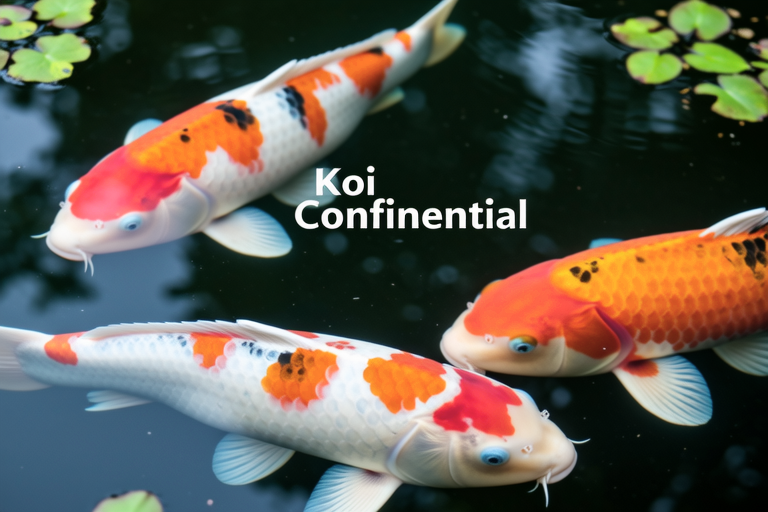
Koi Confidential: Unveiling the Secrets Behind Their Vibrant Colors
For centuries, koi fish have captivated admirers with their mesmerizing presence and striking colors. Originating from East Asia, these ornamental fish are celebrated for their beauty and grace. Known as the “living jewels” of the aquatic world, koi fish have become a popular choice for ponds and water gardens. Their vibrant colors, ranging from deep reds and oranges to shimmering whites and blacks, make them a favorite among enthusiasts. But what exactly gives koi their stunning hues? Let’s delve into the secrets behind their vivid palette.
The Genetics Behind Koi Color Variations
The genetic makeup of koi plays a crucial role in determining their color patterns. Koi colors are primarily determined by three types of pigments: melanin (black), xanthophyll (yellow), and carotenoids (orange). These pigments combine in various ways to create the diverse array of colors seen in koi. Selective breeding has been instrumental in enhancing and refining these colors over generations. Breeders carefully select parent fish based on desirable color traits, aiming to produce offspring with more pronounced and unique patterns.
One of the most sought-after varieties is the Kohaku, characterized by its white body adorned with red patterns. The Showa Sanshoku features black, red, and white markings, while the Taisho Sanshoku, or Bekko, showcases white or yellow with black patterns. Each variety represents a unique combination of pigments, resulting in visually striking fish. By understanding the genetics involved, breeders can manipulate color expression through careful selection, leading to the emergence of new and exciting varieties.
The Role of Diet in Enhancing Color Vibrancy
A balanced diet is essential for maintaining the health and vibrancy of koi fish. Proper nutrition not only supports overall well-being but also enhances the intensity of their colors. Certain nutrients play a pivotal role in boosting pigment production, contributing to the brilliance of koi hues.
Omega-3 fatty acids, found in high-quality fish oil supplements, promote cell membrane health, allowing pigments to be more visible. Antioxidants like vitamin E and C protect cells from damage, ensuring that pigments remain intact and vibrant. Carotenoids, which give koi their red and orange hues, are naturally present in many plants. Including algae-based foods and vegetables in the diet can help increase carotenoid levels, intensifying the redness and orange tones. Additionally, incorporating spirulina, a type of blue-green algae rich in carotenoids, can significantly enhance coloration.
Environmental Factors Affecting Color Development
While genetics and diet are critical, environmental factors also influence the development and maintenance of koi colors. Water quality and sunlight exposure play significant roles in color enhancement.
Water quality is paramount for koi health and coloration. Ammonia, nitrite, and nitrate levels should be kept at safe levels to prevent stress and illness. Regular water changes and proper filtration systems ensure a clean and healthy environment. High levels of ammonia or nitrite can cause stress, leading to dull or faded colors. Maintaining a pH level between 7.2 and 8.0 is ideal for optimal color expression. Additionally, ensuring adequate oxygen levels through aeration helps support vibrant coloration.
Sunlight exposure is another crucial factor. Natural sunlight stimulates the production of carotenoids, contributing to brighter red and orange hues. However, excessive exposure can lead to sunburn, causing stress and potentially fading colors. Providing shaded areas within the pond allows koi to regulate their exposure to sunlight, ensuring they receive enough light to enhance their colors without risking harm.
Tips for Koi Owners: Maintaining Optimal Conditions
To showcase their pets’ vibrant hues, koi owners must prioritize regular care and monitoring. Here are some tips to maintain optimal conditions:
- Regular Water Testing: Test the water regularly for ammonia, nitrite, nitrate, pH, and oxygen levels. Adjustments can be made as needed to maintain ideal parameters.
- Dietary Considerations: Provide a varied diet rich in nutrients, including high-quality pellets, vegetables, and occasional treats like earthworms or shrimp. Rotate foods to ensure a balanced intake of vitamins and minerals.
- Proper Filtration: Invest in a reliable filtration system to keep the water clean and free from harmful substances. Regular maintenance ensures the filter continues to function effectively.
- Shaded Areas: Create shaded areas within the pond using floating plants or structures. This provides koi with the option to seek shade when necessary, protecting them from excessive sunlight.
- Seasonal Adjustments: Be mindful of seasonal changes, adjusting feeding and care routines accordingly. During colder months, reduce feeding frequency and monitor water temperature closely.
Maintaining a harmonious balance between genetics, diet, and environment is key to unlocking the full potential of koi colors. By providing the right conditions, koi owners can ensure their pets remain vibrant and healthy, adding a touch of elegance to any pond or water garden.
In conclusion, the vibrant colors of koi fish are a testament to the intricate interplay of genetics, diet, and environment. Understanding these factors empowers koi enthusiasts to appreciate and nurture the beauty of these magnificent creatures. With proper care and attention, koi fish can continue to captivate and inspire admiration for generations to come.
