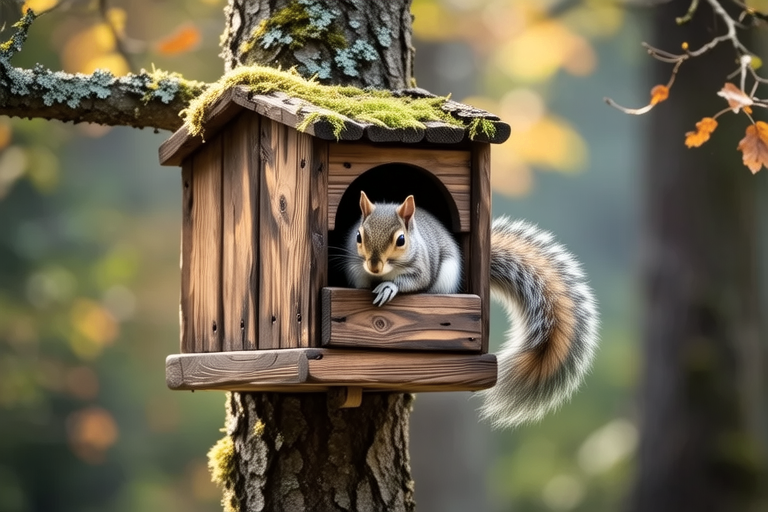
How To Build The Ultimate Hideout For Your Backyard Squirrels
Welcome to your guide on creating the perfect hideout for your backyard squirrels. This comprehensive article will walk you through the process of building a safe, comfortable, and inviting space for these delightful creatures. We’ll cover everything from selecting the right materials to ensuring safety measures, all while incorporating scientific insights into squirrel behavior and habitat preferences.
Understanding Squirrel Behavior And Habitat Preferences
Squirrels are fascinating creatures with specific needs when it comes to their living spaces. They are highly territorial and prefer environments that offer protection from predators, harsh weather conditions, and competitors. Understanding their behavior and preferences is crucial in designing a hideout that meets their requirements.
Scientific studies reveal that squirrels are diurnal animals, meaning they are most active during the day. They spend their time foraging for food, storing nuts and seeds, and maintaining their territory. Their nests, known as dreys, are typically constructed high up in trees, providing them with a vantage point to spot potential threats.
When building a hideout, it’s essential to consider the local climate and the specific species of squirrels in your area. Some squirrels, like the red squirrel, prefer colder climates and denser forests, while others, such as the eastern gray squirrel, thrive in warmer regions and suburban environments.
Materials Needed For Building A Squirrel Hideout
To build a safe and cozy hideout for your backyard squirrels, you’ll need the following materials:
- Wood: Untreated pine or cedar planks are ideal for constructing the hideout’s frame and walls. These woods are naturally resistant to decay and insect infestation, making them suitable for outdoor use.
- Insulation: Use eco-friendly insulation material, such as recycled cotton or wool, to provide warmth and comfort for the squirrels. Avoid synthetic insulations that may pose health risks to the animals.
- Natural fibers: Collect dried grasses, leaves, and twigs to line the interior of the hideout. These materials mimic the natural environment and help the squirrels feel at home.
- Roofing: Choose a durable roofing material, such as corrugated metal or asphalt shingles, to protect the hideout from rain and snow. Ensure the roof has an appropriate slope to allow water runoff.
- Fasteners: Use galvanized nails, screws, or wood glue to assemble the hideout. These fasteners resist corrosion and are safe for wildlife.
- Entrance: Create a circular entrance hole, approximately 3 inches in diameter, to accommodate the squirrels’ body size. Position the entrance on the side of the hideout, away from prevailing winds and direct sunlight.
Step-by-Step Instructions For Building The Hideout
Step 1: Design And Layout
Begin by sketching a design for your squirrel hideout. Consider the dimensions, shape, and location of the hideout within your backyard. Aim for a compact structure, approximately 18 inches wide, 24 inches deep, and 24 inches tall, to ensure the hideout is snug and secure.
Select a suitable location for the hideout, ideally near a tree or shrubbery where the squirrels can easily access it. Ensure the site is elevated and protected from flooding or standing water.
Step 2: Construct The Frame
Using untreated pine or cedar planks, construct the hideout’s frame. Start by assembling the base and sides, then attach the top frame. Ensure all joints are securely fastened with galvanized nails or screws.
Once the frame is complete, add support beams to reinforce the structure and prevent sagging. Attach the support beams to the inside corners of the hideout, using wood glue and screws for added stability.
Step 3: Insulate And Line The Interior
Fill the interior of the hideout with eco-friendly insulation material, such as recycled cotton or wool. This layer will provide warmth and comfort for the squirrels, especially during colder months.
Next, line the interior walls and floor with natural fibers, such as dried grasses, leaves, and twigs. These materials mimic the squirrels’ natural nesting environment and encourage them to settle in their new home.
Step 4: Install The Roof
Attach the chosen roofing material to the top frame of the hideout. Ensure the roof has an appropriate slope to allow water runoff and prevent water accumulation. Seal any gaps or cracks between the roofing and the frame using waterproof caulk or sealant.
Step 5: Add The Entrance
Cut a circular entrance hole, approximately 3 inches in diameter, on one side of the hideout. Position the entrance away from prevailing winds and direct sunlight to provide optimal comfort for the squirrels.
If desired, attach a small piece of wood or metal to the entrance as a landing platform. This platform will allow the squirrels to rest and observe their surroundings before entering the hideout.
Step 6: Final Touches
Before installing the hideout, inspect the exterior for any rough edges or splinters that could harm the squirrels. Sand down any sharp areas and apply a protective coating, such as linseed oil or beeswax, to further safeguard the structure.
Once the hideout is ready, carefully place it in its designated location. Ensure the hideout is stable and level to prevent tipping or shifting over time.
Customization Based On Local Climate And Squirrel Species
Adapting the hideout to suit your local climate and the specific species of squirrels in your area is crucial for creating a welcoming and secure environment. Here are some suggestions for customization:
For Colder Climates
In colder regions, increase the thickness of the insulation material to provide additional warmth. Consider adding a second layer of roofing material, such as a tarp or plastic sheet, to further protect the hideout from harsh weather conditions.
Ensure the hideout is positioned in a sheltered area, away from strong winds and direct exposure to cold drafts. Adding a small door or flap to the entrance can also help regulate temperature and maintain warmth inside the hideout.
For Warmer Climates
In warmer regions, focus on providing ample ventilation to prevent overheating. Increase the number of air vents or cutouts in the hideout’s walls to allow airflow. Position the hideout in a shaded area, under the canopy of trees or near dense shrubbery, to provide natural cooling.
Consider adding a small water dish or fountain to the hideout’s exterior to provide a source of fresh water for the squirrels. Ensure the water source is shallow and easily accessible to avoid drowning risks.
Based On Squirrel Species
Different squirrel species have unique preferences regarding their living spaces. Research the specific species found in your area and tailor the hideout accordingly. For example, red squirrels prefer denser forests and may benefit from additional insulation and a more secluded location.
Eastern gray squirrels, on the other hand, are more adaptable and may appreciate a hideout with multiple entrances or connecting tunnels. Incorporating these features can enhance the hideout’s appeal and encourage squirrel occupancy.
Ensuring Safety Measures For The Hideout
Creating a safe and secure hideout for your backyard squirrels is paramount. Follow these safety guidelines to ensure the well-being of the animals:
- Avoid toxic materials: Use only non-toxic, eco-friendly materials throughout the construction process. Avoid paints, stains, or sealants containing harmful chemicals, such as lead or formaldehyde.
- Prevent predators: Position the hideout in a secure location, away from potential predators such as cats, dogs, or raccoons. Consider adding predator deterrents, such as thorny branches or motion-activated sprinklers, around the hideout’s perimeter.
- Ensure proper ventilation: Provide adequate ventilation to prevent the buildup of carbon dioxide and moisture inside the hideout. Ensure the hideout is well-ventilated to maintain a healthy living environment for the squirrels.
- Regular maintenance: Inspect the hideout periodically for signs of wear and tear. Repair any damaged areas promptly to ensure the hideout remains safe and secure for the squirrels.
Emphasizing Natural Elements And Scientific Insights
Integrating natural elements into the hideout design is essential for creating a welcoming and secure environment for the squirrels. Incorporate materials found in nature, such as dried grasses, leaves, and twigs, to mimic the squirrels’ natural nesting environment.
Scientific research indicates that squirrels are highly sensitive to their surroundings and prefer environments that offer protection and comfort. By incorporating natural elements and adhering to safety measures, you can create a hideout that not only attracts but also sustains the squirrels in your backyard.
Furthermore, understanding squirrel behavior and habitat preferences allows you to design a hideout that meets their specific needs. By tailoring the hideout to the local climate and the specific species of squirrels in your area, you can ensure the well-being and happiness of these delightful creatures.
Conclusion
Building the ultimate hideout for your backyard squirrels is a rewarding endeavor that fosters a deeper connection with nature. By following the step-by-step instructions provided in this guide, you can create a safe, comfortable, and inviting space for these fascinating creatures.
Remember to incorporate natural elements and adhere to safety measures to ensure the well-being of the squirrels. By doing so, you’ll not only provide a sanctuary for the squirrels but also contribute to the preservation of their habitat.
Enjoy watching your backyard squirrels thrive in their new hideout, and take pride in knowing that you’ve made a positive impact on their lives. Happy building!
