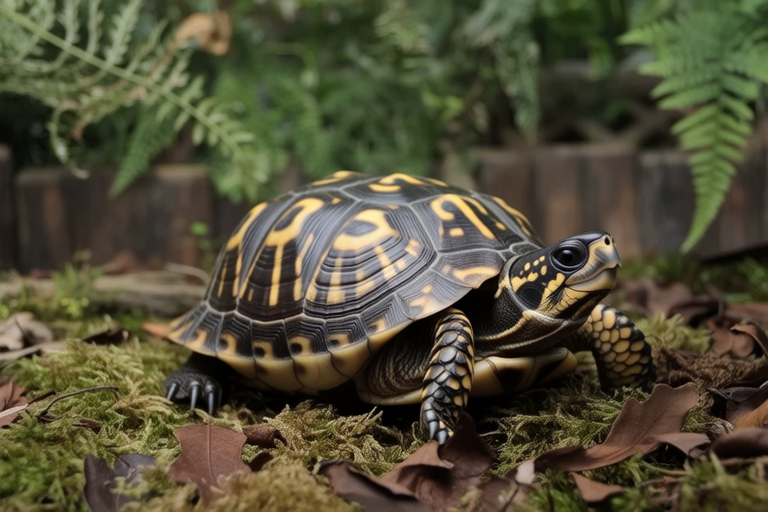
Everything You Need to Know Before Welcoming a Three-Striped Box Turtle Home
Welcome to the fascinating world of three-striped box turtles! These charming reptiles, scientifically known as Trachemys scripta triseriata, are native to parts of North America and are a popular choice among turtle enthusiasts. With their unique appearance and relatively manageable care requirements, they make excellent pets for those willing to invest time and effort into understanding their needs. This comprehensive guide will cover everything you need to know before bringing one of these delightful creatures home.
Introduction to the Three-Striped Box Turtle Species
The three-striped box turtle gets its name from the three yellow stripes that run down its head and neck, though not all individuals exhibit this feature prominently. They typically have a high-domed shell with varying patterns of yellow and brown markings. Adults can reach sizes between 4.5 and 6 inches in length, making them ideal for indoor habitats. Their lifespan ranges from 25 to 30 years under optimal conditions, providing long-term companionship for dedicated owners.
Habitat Requirements
Choosing the Right Enclosure Size
When setting up your turtle’s living space, it’s crucial to provide ample room for movement and exploration. A minimum enclosure size of 4 feet by 2 feet is recommended for a single adult turtle. However, larger enclosures are always better as they allow more natural behaviors like basking and swimming.
Substrate Type
Selecting the appropriate substrate is vital for maintaining hygiene and promoting healthy growth. Reptile-safe mulch or coconut fiber works well due to their ability to retain moisture without becoming soggy. Avoid using gravel or small stones which could pose choking hazards if ingested.
Temperature and Humidity Levels
Box turtles thrive within specific environmental parameters. Maintain daytime temperatures ranging from 75°F to 85°F (24°C to 29°C) during the day, dropping slightly at night to around 65°F to 70°F (18°C to 21°C). Use heat lamps or under-tank heaters to achieve these temperatures. Additionally, keep humidity levels between 60% and 80%, which can be achieved through misting or adding water features.
Diet Specifics
Suitable Food Options
A balanced diet is essential for ensuring your turtle remains healthy and active. Offer a variety of foods including leafy greens such as kale, collard greens, and dandelion leaves; fruits like berries and melons; insects such as crickets and mealworms; and commercial pelleted turtle feed. Ensure that any live prey items are gut-loaded prior to feeding.
Feeding Frequency
Feed juveniles daily while adults require meals every other day. Adjust portion sizes according to age and activity level, avoiding overfeeding which may lead to obesity.
Nutritional Supplements
To support proper bone development and overall health, supplement their diet with calcium and vitamin D3 regularly. Consult with a veterinarian specializing in reptiles for guidance on dosage and frequency.
Health Care Essentials
Signs of Illness
Monitor your turtle closely for any changes in behavior or physical condition. Common signs of illness include lethargy, loss of appetite, swollen eyes, nasal discharge, or shell abnormalities. If noticed, consult a professional immediately.
Veterinary Care
Regular check-ups with a qualified vet who has experience treating turtles are advisable. Schedule annual examinations to catch potential issues early and maintain good health.
Common Behaviors
Three-striped box turtles exhibit several interesting behaviors worth observing. They enjoy basking under UVB lighting to synthesize vitamin D3 necessary for calcium absorption. Additionally, they are territorial and may show aggression towards newcomers. Providing hiding spots helps reduce stress and mimics their natural environment.
Tips for Handling
Handle your turtle gently but firmly, supporting both ends of its body. Avoid lifting solely by the edges of its shell as this can cause injury. Wash hands thoroughly after interaction to prevent cross-contamination.
Encouraging Natural Behavior in Captivity
To foster natural behaviors, enrich their environment with climbing structures, plants, and shallow water areas where they can swim comfortably. Rotate toys periodically to stimulate curiosity and engagement.
In conclusion, welcoming a three-striped box turtle into your home requires commitment and knowledge about their unique needs. By following the guidelines outlined above, you’ll set yourself and your new friend up for success. Remember, each turtle is an individual with distinct preferences, so adapt accordingly based on what works best for them. Happy turtle keeping!
