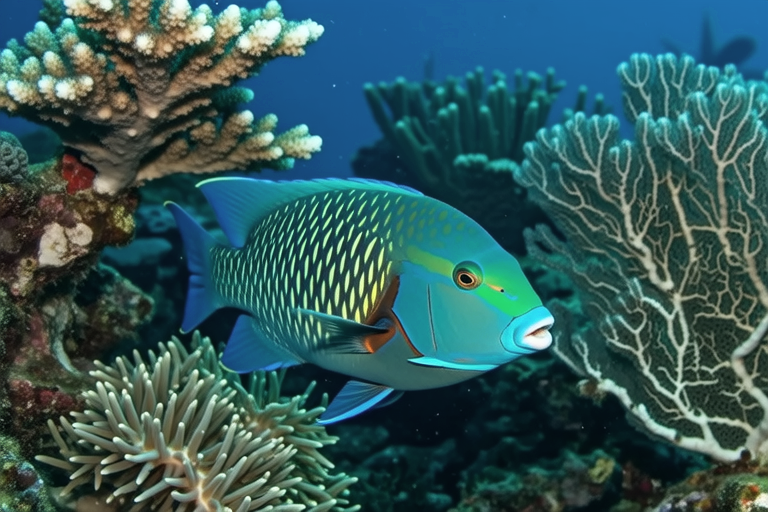
Unleashing the Mystery Behind Parrot Fish: Nature’s Underwater Gardeners
The ocean teems with a variety of colorful and fascinating creatures, and among them, parrot fish stand out as particularly intriguing. These vibrant, tropical fish play a crucial role in maintaining the health of coral reefs, often referred to as ‘underwater gardeners.’ This article delves into the world of parrot fish, exploring their unique feeding habits, appearances, behaviors, and the threats they face due to human activities.
The Role of Parrot Fish as Coral Reef Guardians
Coral reefs are some of the most biodiverse ecosystems on the planet, and they rely heavily on parrot fish for their maintenance. These fish are known for their distinctive beaks, which they use to scrape algae off coral surfaces. By doing so, they prevent the overgrowth of algae, which can smother corals and hinder their growth. This feeding behavior also helps to recycle nutrients back into the reef ecosystem, promoting the health and vitality of the entire reef community.
Parrot fish not only help to keep the reef clean but also contribute to its physical structure. As they feed, they inadvertently break down coral skeletons into fine sand. This process is vital for the formation of beaches and islands in many tropical regions. Without the contribution of parrot fish, the very landscapes that tourists and locals alike enjoy would be vastly different.
Unique Feeding Habits
The feeding habits of parrot fish are quite unique. They primarily consume algae that grow on coral, rocks, and other hard surfaces within the reef. Their strong beaks allow them to scrape away at these surfaces, ingesting both the algae and the underlying limestone. The ingested material then passes through their digestive system, where it is ground down into fine particles. These particles are eventually excreted as sand, contributing to the creation of sandy beaches.
Interestingly, the coloration of the sand produced by different species of parrot fish can vary, leading to beaches with hues ranging from white to pink. This natural process demonstrates the interconnectedness of marine ecosystems and highlights the significant role that parrot fish play in shaping the environment around us.
Distinctive Appearance and Behaviors
Parrot fish are easily recognizable due to their bright colors and unique shapes. They come in a wide array of colors, from electric blues and greens to vivid pinks and yellows. Their bodies are often adorned with intricate patterns, making them a favorite subject for underwater photographers.
In addition to their striking appearance, parrot fish have several interesting behaviors. One of the most notable is their method of sleeping. To protect themselves from predators, many species of parrot fish secrete a mucus cocoon each night. This cocoon acts as a barrier, masking their scent and reducing the risk of being detected by nocturnal hunters.
Another fascinating aspect of parrot fish behavior is their ability to change sex. Many species of parrot fish are born female but can later transform into males if necessary. This flexibility in gender roles allows for efficient population management within their social structures.
Threats to Parrot Fish and Conservation Efforts
Despite their critical role in marine ecosystems, parrot fish face numerous threats due to human activities. Overfishing is one of the most significant dangers, as their meat is considered a delicacy in many parts of the world. Additionally, the destruction of coral reefs through pollution, climate change, and coastal development reduces the habitats available for parrot fish to thrive.
Conservation efforts are underway to protect these vital fish. Marine protected areas (MPAs) have been established to safeguard coral reefs and the species that inhabit them, including parrot fish. These protected zones limit fishing activities and other harmful practices, allowing populations to recover and flourish. Furthermore, awareness campaigns and sustainable fishing practices are being promoted to ensure the long-term survival of parrot fish and the ecosystems they support.
The Importance of Preserving Parrot Fish
The preservation of parrot fish is essential for the health and biodiversity of coral reefs. By protecting these underwater gardeners, we can help maintain the delicate balance of marine ecosystems, ensuring that future generations can continue to enjoy the beauty and resources that the ocean provides.
Moreover, the economic benefits of preserving parrot fish extend beyond just the tourism industry. Healthy coral reefs provide protection against storms and erosion, supporting coastal communities. The preservation of these fish also ensures the continuation of the natural processes that contribute to beach formation, benefiting local economies.
In conclusion, parrot fish are more than just colorful inhabitants of coral reefs; they are vital contributors to the health and sustainability of these ecosystems. By understanding and appreciating their unique characteristics and the challenges they face, we can work towards their conservation and the preservation of the incredible underwater world they call home.
