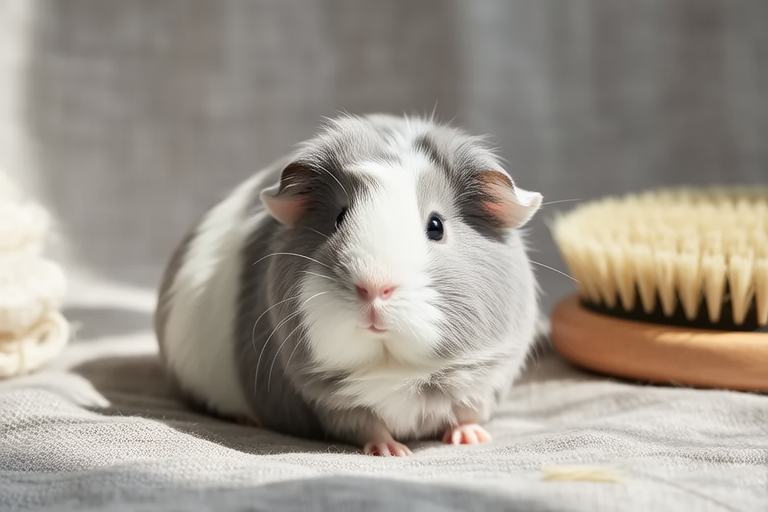
Guinea Pig Grooming: Tips to Ensure a Shiny Coat at Home
Introduction
Guinea pigs, also known as cavies, are popular pets that bring joy and companionship to many households. Regular grooming is essential for their health and appearance, promoting a shiny coat and preventing various health issues. Proper grooming can also strengthen the bond between you and your pet. In this article, we will explore the importance of regular grooming, provide a comprehensive list of necessary grooming tools, and detail the frequency and steps involved in bathing, brushing, nail trimming, and teeth checking. We’ll also offer advice on identifying and addressing common grooming issues and conclude with tips on maintaining a stress-free grooming routine.
Importance of Regular Grooming
Regular grooming is crucial for maintaining your guinea pig’s health and well-being. It helps prevent skin infections, hairballs, and dental issues. Additionally, grooming provides an opportunity to check for any signs of illness or injury. A well-groomed guinea pig not only looks healthier but also feels more comfortable and confident.
Grooming Tools
- Soft-bristled brush: Use this to remove loose hair and dirt from your guinea pig’s coat.
- Wire bristle brush: This is useful for removing tangles and mats from long-haired guinea pigs.
- Toothbrush: A soft toothbrush can be used to clean around the eyes and ears.
- Nail clippers: These are necessary for trimming your guinea pig’s nails.
- Blunt-nosed scissors: For trimming longer hair around the face and paws.
- Eye dropper: Useful for administering eye drops if needed.
- Ear cleaner: To keep your guinea pig’s ears clean and free of debris.
- Dental treats: Help maintain healthy teeth and gums.
Bathing Frequency and Steps
Guinea pigs do not require frequent baths as they are generally clean animals. However, occasional baths may be necessary if your guinea pig gets particularly dirty or smelly. It is recommended to bathe your guinea pig every 4 to 6 weeks. Here are the steps to follow:
- Prepare the bath area: Fill a shallow basin with warm water (not hot) and add a small amount of pet-safe shampoo.
- Support your guinea pig: Hold your guinea pig securely but gently to prevent stress.
- Wet your guinea pig: Gently wet your guinea pig’s body, avoiding the head and ears.
- Lather: Apply shampoo and massage it into your guinea pig’s fur, taking care not to get any soap in its eyes, nose, or mouth.
- Rinse thoroughly: Ensure all soap is rinsed off to avoid irritation.
- Dry your guinea pig: Wrap your guinea pig in a towel and pat it dry. You can also use a hair dryer on a low, cool setting if necessary.
Brushing Frequency and Steps
Brushing your guinea pig regularly helps remove loose hair, prevent matting, and distribute natural oils throughout the coat. Long-haired guinea pigs should be brushed daily, while short-haired guinea pigs can be brushed weekly. Follow these steps:
- Choose the right brush: Use a soft-bristled brush for short-haired guinea pigs and a wire bristle brush for long-haired guinea pigs.
- Start at the base: Begin brushing at the base of the tail and work your way forward, paying special attention to areas where mats are likely to form.
- Check for tangles: If you encounter a tangle, use your fingers to gently work it out before continuing with the brush.
- Finish with a comb: Use a wide-toothed comb to smooth out any remaining tangles.
Nail Trimming Frequency and Steps
Trimming your guinea pig’s nails regularly is important to prevent overgrowth, which can lead to discomfort and difficulty walking. Nails should be trimmed every 2 to 3 weeks. Here are the steps:
- Inspect the nails: Check your guinea pig’s nails for signs of overgrowth or splitting.
- Use nail clippers: Hold your guinea pig securely and clip the nails one at a time, being careful not to cut the quick (the pink part inside the nail).
- Apply styptic powder: If you accidentally cut the quick, apply styptic powder to stop the bleeding.
- Offer a treat: Reward your guinea pig with a treat after the procedure to help them associate nail trimming with something positive.
Teeth Checking Frequency and Steps
Guinea pigs have continuously growing teeth, so it is important to check their teeth regularly to ensure they are not overgrown. Overgrown teeth can cause pain and difficulty eating. Teeth should be checked every week. Here are the steps:
- Examine the teeth: Look for any signs of overgrowth or misalignment.
- Offer dental treats: Provide your guinea pig with dental treats to help wear down their teeth naturally.
- Consult a veterinarian: If you notice any issues with your guinea pig’s teeth, consult a veterinarian for further advice.
Identifying and Addressing Common Grooming Issues
It is important to be aware of common grooming issues and know how to address them. Some common issues include matted fur, skin problems, and overgrown nails and teeth.
- Matted fur: Matted fur can occur in long-haired guinea pigs if they are not brushed regularly. To address matted fur, gently work out the tangles with your fingers or use a wire bristle brush. Avoid pulling too hard, as this can cause pain or injury.
- Skin problems: Skin problems such as dermatitis or mange can occur if your guinea pig’s skin is not kept clean and dry. If you notice any redness, itching, or discharge, consult a veterinarian for treatment.
- Overgrown nails: Overgrown nails can cause discomfort and difficulty walking. Trim your guinea pig’s nails regularly to prevent this issue.
- Overgrown teeth: Overgrown teeth can cause pain and difficulty eating. Provide your guinea pig with dental treats and check their teeth regularly. If you notice any issues, consult a veterinarian for further advice.
Maintaining a Stress-Free Grooming Routine
Maintaining a stress-free grooming routine is important for both you and your guinea pig. Here are some tips to help make grooming a positive experience:
- Establish a routine: Set aside specific times for grooming each week to help your guinea pig become accustomed to the process.
- Use positive reinforcement: Reward your guinea pig with treats and praise during and after grooming sessions to help them associate grooming with something positive.
- Create a calm environment: Groom your guinea pig in a quiet, calm environment to minimize stress.
- Be gentle: Handle your guinea pig gently and avoid pulling or tugging on their fur or nails.
- Take breaks: If your guinea pig becomes stressed or uncomfortable during grooming, take a break and try again later.
Conclusion
Regular grooming is essential for maintaining your guinea pig’s health and appearance. By following the steps outlined in this article and using the proper tools, you can ensure your guinea pig has a shiny coat and stays healthy. Remember to be patient and gentle during grooming sessions, and always reward your guinea pig with treats and praise. With a little practice, grooming can become a positive experience for both you and your pet.
