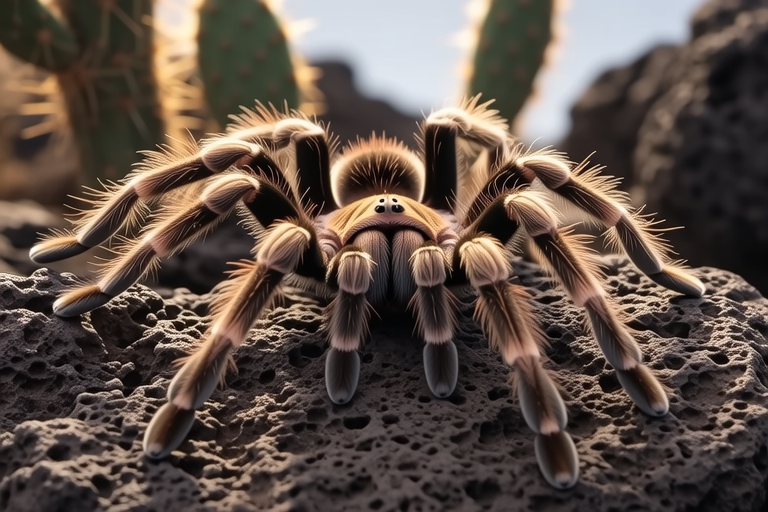
Why the Chilean Rose Tarantula is More Than Just Scary Legs
The Chilean Rose Tarantula (Grammostola rosea) is often misunderstood due to its intimidating appearance. However, this spider species is much more than just scary legs. This article aims to dispel common myths about tarantulas and highlight their unique characteristics, including their docile nature, vibrant color patterns, and fascinating behaviors. We will also discuss their care requirements, ideal habitats, and dietary needs. Additionally, we will explore misconceptions surrounding their venom and toxicity, as well as their role in ecosystems and recent studies on tarantula behavior and conservation.
Dispelling Common Myths About Tarantulas
Tarantulas, particularly the Chilean Rose variety, have long been associated with fear and misunderstanding. One of the most prevalent myths is that they are aggressive and dangerous. In reality, these spiders are quite docile and rarely bite unless provoked. Their venom is mild, causing only minor irritation similar to a bee sting. Another myth is that tarantulas are blind. While it’s true that their eyesight isn’t as sharp as other animals’, they compensate with excellent senses of touch and vibration.
Vibrant Color Patterns and Unique Characteristics
The Chilean Rose Tarantula gets its name from its distinctive pinkish hue, which becomes more pronounced as the spider matures. Males typically have brighter colors than females, making them visually striking. Apart from their color, these spiders have fascinating behaviors, such as regenerating lost limbs and using silk to create shelters. They also have barbed hairs called urticating hairs, which they can release when threatened to deter predators.
Care Requirements and Ideal Habitats
Maintaining a healthy Chilean Rose Tarantula requires attention to specific care requirements. A suitable enclosure should mimic the spider’s natural habitat, providing ample space for movement and climbing. The substrate should be at least two inches deep to allow burrowing, and the temperature should range between 75°F and 85°F (24°C and 29°C) with humidity levels around 60-70%. It’s essential to provide hiding spots and a shallow water dish for hydration. Regular cleaning of the enclosure ensures a healthy environment free from harmful bacteria.
Dietary Needs and Feeding Habits
Chilean Rose Tarantulas are carnivorous and primarily feed on insects like crickets, mealworms, and wax moths. Adult spiders can eat larger prey, such as small mice or lizards, but these should be offered sparingly. Juvenile tarantulas require smaller prey items fed more frequently. It’s crucial to ensure that prey items are gut-loaded (fed nutritious food before being offered to the tarantula) to provide optimal nutrition. Overfeeding can lead to obesity, while underfeeding may cause malnutrition.
Misconceptions Surrounding Venom and Toxicity
One of the most significant misconceptions about tarantulas is the potency of their venom. While their venom is potent enough to immobilize their prey, it poses little threat to humans. The venom acts primarily as a digestive enzyme, breaking down the internal organs of their insect prey. When a tarantula bites a human, it usually injects only a tiny amount of venom, resulting in mild discomfort similar to a bee sting. The real danger comes from the urticating hairs, which can cause skin irritation if handled improperly.
Role in Ecosystems and Conservation Efforts
Tarantulas play a vital role in maintaining ecological balance by controlling insect populations. Recent studies have highlighted the importance of preserving tarantula habitats to protect biodiversity. Conservation efforts focus on raising awareness about the value of these spiders and promoting sustainable practices that minimize habitat destruction. Researchers are also studying tarantula behavior to better understand their social interactions and communication methods. These studies contribute to our knowledge of arachnids and inform conservation strategies.
Respectful Appreciation Beyond Intimidating Appearance
Encouraging a respectful appreciation for tarantulas goes beyond acknowledging their beauty and unique traits. It involves fostering an understanding of their place in the ecosystem and the importance of protecting their habitats. By educating others about the benefits of tarantulas and dispelling myths, we can promote a culture of respect and admiration for these fascinating creatures. Visiting reputable zoos, aquariums, or educational exhibits that showcase tarantulas can help people overcome their fears and develop a deeper appreciation for these remarkable spiders.
Conclusion
The Chilean Rose Tarantula is more than just scary legs; it’s a remarkable creature with unique characteristics, behaviors, and ecological significance. By dispelling common myths and highlighting their positive attributes, we can foster a greater appreciation for these spiders. Understanding their care requirements, ideal habitats, and dietary needs helps ensure their well-being in captivity. Recognizing the misconceptions surrounding their venom and toxicity promotes a safer and more informed interaction with these fascinating arachnids. Ultimately, cultivating respect and admiration for tarantulas encourages responsible stewardship of our planet’s diverse wildlife.
