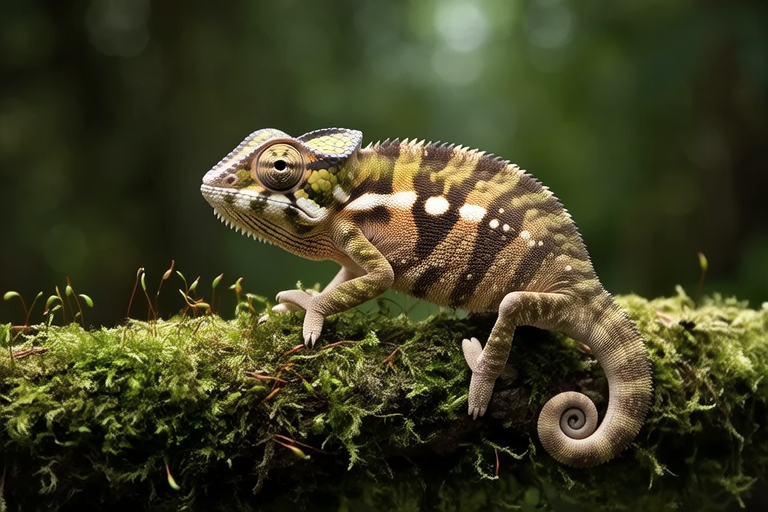
7 Fascinating Facts That Make Chameleons Truly Unique Pets
Chameleons have long captured human imagination with their distinctive appearance and intriguing behaviors. These reptiles, native to warm climates around the world, offer a unique pet experience for those who appreciate the unusual and exotic. Below are seven fascinating facts that highlight why chameleons are truly one-of-a-kind pets.
1. Exceptional Camouflage Abilities
Perhaps the most famous feature of chameleons is their ability to change color. This skill isn’t just about blending into the background; it’s a complex communication tool. Chameleons alter their hues to express emotions, regulate body temperature, or signal mating readiness. Their skin contains specialized cells called chromatophores, which can expand or contract to reflect different wavelengths of light, creating a wide spectrum of colors. Watching your chameleon shift its shades is like witnessing a living work of art, making each day with this pet a visual treat.
2. Z-shaped Tongue Strikes
Chameleons have one of the most remarkable hunting techniques in the animal kingdom. Their tongues are incredibly long and sticky, capable of extending up to twice the length of their bodies. When hunting, they launch their tongue at lightning speed in a Z-pattern to catch insects mid-air. This unique method of capturing prey ensures that even the most elusive bugs can’t escape. Observing this precise and rapid action can be both thrilling and educational, offering insights into nature’s engineering marvels.
3. Independent Eye Movement
One of the most fascinating aspects of chameleon anatomy is their eyes. Unlike many other animals, chameleons can move each eye independently. This allows them to scan their environment simultaneously, enhancing their ability to spot predators and prey. Imagine having the ability to look forward and backward without turning your head! This adaptation makes chameleons excellent hunters, always aware of their surroundings. It also provides endless fascination for pet owners, who can watch their chameleon’s eyes dart in different directions, each searching for something new.
4. Dietary Preferences: A Feast of Insects
Chameleons are insectivores, meaning their diet consists primarily of insects. They require a diverse range of bugs to ensure proper nutrition. Popular choices include crickets, mealworms, and wax moths. Owners must also dust these insects with calcium and vitamin supplements to prevent deficiencies. Feeding your chameleon can be an interactive and enjoyable activity, as you introduce new species and observe how your pet reacts to different flavors and textures. This aspect of care not only enriches the bond between owner and pet but also teaches responsibility and attention to detail.
5. Habitat Requirements: The Importance of Vertical Space
Chameleons thrive in environments that mimic their natural habitats, which often involve tall trees and dense vegetation. As arboreal creatures, they prefer vertical space over horizontal. A well-designed enclosure will include branches and plants for climbing and hiding. Proper ventilation and humidity levels are also crucial. Creating such an environment requires careful planning and maintenance, but it results in a vibrant and healthy chameleon. Watching your pet climb and explore its lush habitat can be a soothing and beautiful experience.
6. Solitary Nature: The Lone Wanderer
Chameleons are solitary animals, meaning they do not live in groups. They prefer solitude and can become stressed when housed with others. While some reptile enthusiasts might consider keeping multiple chameleons, it’s best to provide each with its own enclosure to avoid conflicts. This characteristic makes chameleons ideal pets for those who enjoy quiet companionship. Each chameleon has its own unique personality, and spending time with your pet can deepen your understanding of its individual quirks and preferences.
7. Temperature Sensitivity: Balancing Act
Chameleons are ectothermic, meaning they rely on external sources of heat to regulate their body temperature. Maintaining the right temperature gradient within their enclosure is essential for their health. Typically, chameleons need a basking spot that reaches temperatures of 85-95°F (29-35°C) and cooler areas where they can retreat if needed. Providing UVB lighting is also vital for calcium absorption and overall well-being. Ensuring these conditions can be challenging but rewarding, as it directly impacts your chameleon’s vitality and longevity.
Conclusion: Why Chameleons Make Fascinating Pets
In conclusion, chameleons are more than just colorful lizards; they are complex creatures with a myriad of unique traits that make them captivating pets. From their extraordinary camouflage abilities and lightning-fast tongues to their independent eye movements and solitary nature, every aspect of their behavior and physiology offers a window into the wonders of the natural world. By providing the right care and environment, you can ensure that your chameleon remains healthy and happy, offering you a lifetime of fascination and companionship. Whether you’re drawn by their striking appearance or intrigued by their behaviors, owning a chameleon is sure to be an unforgettable experience.
