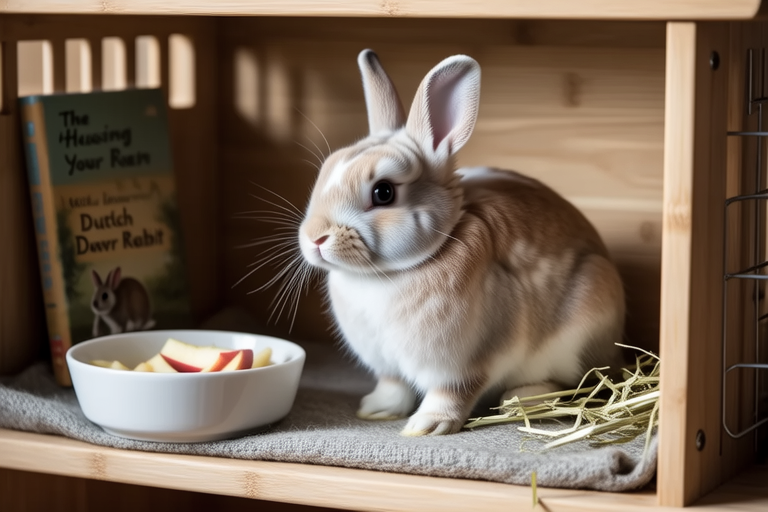
The Complete Guide to Housing Your Happy Dutch Dwarf Rabbit
Dutch Dwarf Rabbits are small, friendly, and energetic creatures that make wonderful pets. Proper housing is crucial for their health and happiness. This guide provides a comprehensive overview of how to create an ideal living space for your Dutch Dwarf Rabbit, addressing their specific needs and ensuring they thrive in their environment.
Understanding Dutch Dwarf Rabbits
Dutch Dwarfs are known for their compact size, usually weighing between 2 to 3 pounds, and their distinctive coloring. They are highly social animals that require both physical and mental stimulation. Their small size means they can be housed in relatively smaller spaces compared to larger rabbit breeds, but this does not mean they have fewer space or environmental needs.
Choosing the Right Living Space
The ideal living space for a Dutch Dwarf Rabbit should be large enough to allow them to move around freely, stretch out, and engage in natural behaviors such as hopping and digging. A minimum floor area of at least 4 square feet is recommended for a single rabbit, but more space is always better if it’s available. The height of the enclosure should also be considered; rabbits enjoy jumping and need room to do so without fear of injury.
Outdoor hutches are popular choices for Dutch Dwarfs, offering fresh air and sunlight. However, indoor enclosures are equally suitable, especially if you live in areas with extreme weather conditions. When choosing an outdoor hutch, ensure it has a waterproof roof and is placed in a shaded area to protect from direct sunlight and rain.
Suitable Bedding Materials
Selecting appropriate bedding is vital for your rabbit’s comfort and hygiene. Shredded paper, hay, and straw are excellent choices as they are absorbent and provide a natural environment for your rabbit. Avoid cedar and pine shavings as they can cause respiratory issues due to their aromatic oils. Additionally, ensure that the bedding is changed regularly to maintain cleanliness and prevent odors.
Necessary Accessories
Toys and hideouts are essential for providing mental stimulation and security. Dutch Dwarfs enjoy chewing, so offer safe wooden chew toys to help keep their teeth trimmed. Cardboard boxes, tunnels, and small wooden houses serve as hideouts, giving your rabbit a place to retreat when they feel overwhelmed. Regularly rotate toys to keep things interesting and engaging for your pet.
Temperature and Lighting Requirements
Dutch Dwarfs are sensitive to temperature extremes. They prefer temperatures between 60°F and 75°F (15°C and 24°C). Avoid placing their enclosure near drafts, windows, or heaters. Ensure that the living space is well-ventilated to prevent the buildup of ammonia from urine, which can lead to respiratory problems.
Lighting plays a crucial role in regulating your rabbit’s circadian rhythm. Provide at least 8 hours of daylight exposure daily. Natural sunlight is best, but if your rabbit lives indoors, consider using full-spectrum lighting to mimic natural light. Avoid placing their enclosure in direct sunlight to prevent overheating.
Ventilation Needs
Adequate ventilation is key to maintaining good air quality within the enclosure. Ensure there are vents or windows that allow fresh air to circulate while preventing drafts. If you’re using an indoor cage, consider adding a small fan to promote airflow. Regularly check for signs of poor ventilation, such as strong odors or moisture buildup.
Cleaning Schedules
Maintaining a clean living environment is essential for your rabbit’s health. Spot-clean the enclosure daily by removing soiled bedding and waste. Perform a thorough cleaning once a week, disinfecting all surfaces and replacing the bedding. Use pet-safe cleaners and avoid harsh chemicals that could irritate your rabbit’s skin or respiratory system.
Safety Precautions
Preventing injuries is paramount when housing Dutch Dwarf Rabbits. Ensure that any wire flooring is covered with solid material to prevent foot injuries. Check for sharp edges or protruding nails on the enclosure. Provide soft bedding to cushion falls and reduce the risk of trauma. Supervise your rabbit during playtime to prevent accidents, especially when using new toys or accessories.
Creating an Enriching Environment
To promote your rabbit’s well-being, create an enriching environment that stimulates their senses and encourages exploration. Introduce tunnels, ramps, and platforms to encourage climbing and jumping. Offer various textures for them to explore, such as cardboard tubes, fabric hammocks, and natural branches. Rotate toys and accessories periodically to keep the environment exciting and engaging.
Interactive activities, such as hiding treats or introducing new scents, can also enhance cognitive function and reduce boredom. Consider incorporating puzzle feeders that challenge your rabbit to work for their food, promoting mental engagement and reducing destructive behaviors.
Conclusion
Housing your Dutch Dwarf Rabbit correctly is fundamental to their overall health and happiness. By providing ample space, suitable bedding, necessary accessories, proper temperature control, adequate ventilation, regular cleaning, safety measures, and an enriching environment, you can ensure your rabbit leads a fulfilling life. Regular interaction and attention are also important, fostering a strong bond between you and your pet. With careful planning and thoughtful care, your Dutch Dwarf Rabbit will enjoy a comfortable and stimulating home.
