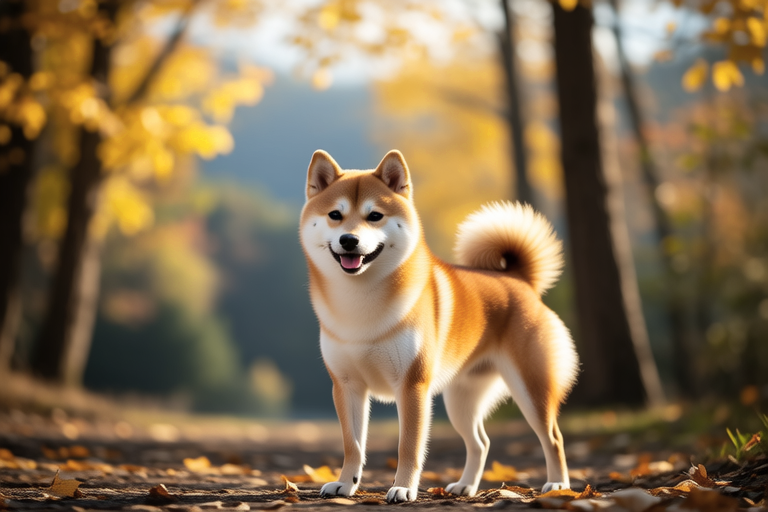
The Shiba Inu: A Journey Through Time
The Shiba Inu, a small to medium-sized breed native to Japan, has a rich history dating back to ancient times. Originating from the mountainous regions of Honshu, Shikoku, and Kyushu islands, this dog played a significant role in Japanese culture and survival. Its history is intertwined with the rugged terrains of Japan, where it was bred for hunting and surviving harsh conditions.
Origins and Early Role
The Shiba Inu, named after the Japanese word for brushwood, is one of the oldest breeds in Japan. The breed’s name refers to the type of thick underbrush found in the wild areas of Japan where the dogs were originally used for hunting. These dogs were adept at flushing out birds and small game, such as rabbits and squirrels. Their agility and keen sense of smell made them invaluable assets to hunters. The Shiba Inu’s compact size and thick double coat were perfectly suited to the challenging environments of Japan’s mountains and forests.
Near Extinction and Revival
The Shiba Inu faced a significant threat to its existence during World War II. The breed nearly became extinct due to a combination of food shortages and a distemper outbreak. However, thanks to the efforts of dedicated breeders, the Shiba Inu was revived. By the late 1940s, breeders began working to restore the breed, focusing on preserving its original characteristics. This effort resulted in the establishment of a standard for the breed, which was recognized by the Nippon Kenkyukai (Japanese Dog Research Association) in 1934. The breed’s resurgence was marked by its official recognition by the American Kennel Club in 1993.
Characteristics and Popularity
The Shiba Inu’s popularity around the world can be attributed to several key characteristics. Despite their small size, they possess an independent yet affectionate nature, making them excellent companions. Their distinctive appearance, characterized by a fox-like face and curled tail, adds to their charm. Additionally, their adaptability allows them to thrive in various living situations, from apartments to rural homes. These traits make the Shiba Inu a desirable pet for many families.
Recognition by Kennel Clubs
The Shiba Inu’s journey to becoming a beloved companion globally involved gaining recognition from kennel clubs. In 1936, the Shiba Inu was officially recognized by the Nippon Kenkyukai, marking the beginning of its formal acknowledgment. Later, in 1993, the breed was accepted by the American Kennel Club, further solidifying its status as a recognized breed. This recognition paved the way for the Shiba Inu to participate in shows and competitions, increasing its visibility and appeal to potential owners.
Traditional Traits vs Modern Behaviors
The traditional traits of the Shiba Inu, honed through centuries of hunting and survival, have influenced its behavior today. While still retaining their independent spirit, modern Shibas are more adaptable to domestic life. They remain loyal and affectionate towards their families but can be reserved with strangers. Their strong prey drive and territorial instincts, inherited from their hunting heritage, may occasionally surface. However, these traits are often managed through proper training and socialization.
Understanding History Enriches Bond
Understanding the Shiba Inu’s history enriches the bond between owners and their dogs. Recognizing the breed’s origins and the challenges it has overcome fosters a deeper appreciation for their unique qualities. Owners who understand their Shiba Inu’s background can better meet their needs and provide the care and attention they require. This knowledge also helps in managing expectations regarding their behavior, ensuring a harmonious relationship.
In conclusion, the Shiba Inu’s journey from ancient Japan to becoming a beloved companion worldwide is a testament to its resilience and adaptability. Its history, filled with challenges and triumphs, continues to shape its character today. By understanding the breed’s past, owners can form stronger bonds with their Shiba Inus, enhancing their shared experiences and deepening the connection between human and animal.
