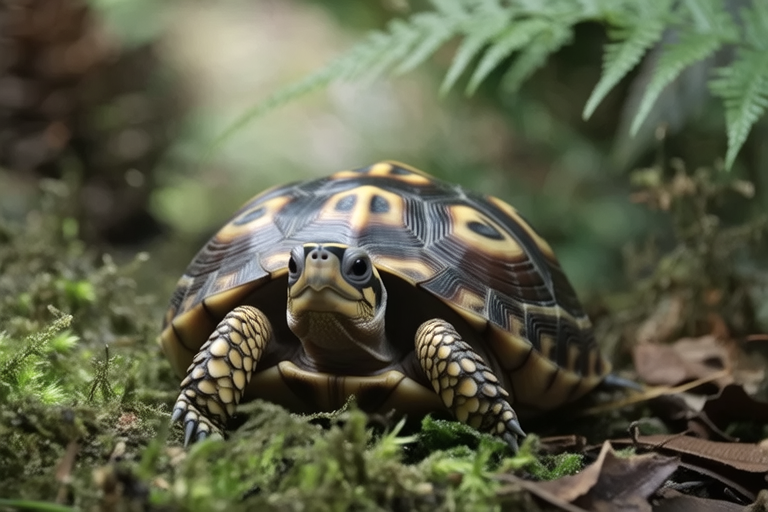
Uncovering the Secrets of the Three-Striped Box Turtle Diet
The three-striped box turtle (cuora trifasciata) is a fascinating reptile native to parts of Asia. Known for its distinct three longitudinal stripes on its carapace, this turtle has become a popular pet among enthusiasts. However, like all animals, it requires a carefully balanced diet to maintain optimal health. Understanding the nutritional requirements, ideal food sources, portion sizes, and feeding frequency is crucial for any turtle owner. This article aims to provide comprehensive guidance on crafting a healthy diet for your three-striped box turtle.
Nutritional Needs
Three-striped box turtles are omnivorous, meaning they require a balanced diet consisting of both plant matter and animal protein. Their diet should be rich in vitamins, minerals, and essential amino acids to support growth, energy production, and overall health. Key nutrients include calcium, vitamin D3, vitamin A, and various other vitamins and minerals.
Calcium is particularly important for shell development and bone strength. Vitamin D3 aids in calcium absorption, while vitamin A supports immune function and vision. Additionally, proteins from animal sources contribute to muscle development, and fiber from plants helps with digestion.
Ideal Food Sources
A variety of foods can be included in the three-striped box turtle’s diet:
- Vegetables and Fruits: Offer leafy greens such as collard greens, dandelion greens, and mustard greens. Other suitable vegetables include squash, carrots, and bell peppers. Berries and melons can also be given occasionally.
- Fruits: Apples, bananas, and strawberries can be offered but should be limited due to their high sugar content.
- Insects: Crickets, mealworms, and earthworms provide necessary protein. Ensure these insects are gut-loaded (fed a nutritious diet) before offering them to the turtle.
- Commercial Diets: Some commercially available turtle pellets can complement the natural diet but should not form the entire diet.
Portion Sizes and Feeding Frequency
Feeding amounts vary depending on the turtle’s age and activity level. Younger turtles generally require more frequent feedings compared to adults. As a general guideline:
- Young Turtles (under 4 years): Feed daily or every other day.
- Adult Turtles (over 4 years): Feed every other day.
Portion sizes should be appropriate for the turtle’s size. For young turtles, offer about 1/4 cup of mixed vegetables and fruits along with a few insects. Adult turtles may consume up to 1/2 cup of mixed vegetables and fruits and several insects. Always monitor the turtle’s appetite and adjust portions accordingly.
Dietary Supplements
To ensure adequate nutrient intake, supplementation is often necessary. Calcium and vitamin D3 supplements are commonly used. Dusting vegetables and insects with a calcium powder containing vitamin D3 can help prevent deficiencies. However, care must be taken not to over-supplement, as excessive vitamin D3 can lead to hypercalcemia.
Vitamin A deficiency can result in eye problems and poor growth. Offering vitamin A-rich foods like carrots and sweet potatoes can help prevent this. Multivitamins formulated specifically for reptiles can also be beneficial.
Common Feeding Mistakes and Their Consequences
Misunderstanding the turtle’s dietary needs can lead to health issues. Common mistakes include:
- Overfeeding: Excessive feeding can lead to obesity, which increases the risk of metabolic bone disease and other health problems.
- Lack of Variety: Feeding the same foods repeatedly can cause nutritional imbalances. Ensure a diverse diet to cover all necessary nutrients.
- High Sugar Content: Over-reliance on fruits with high sugar content can lead to digestive issues and obesity.
- Insufficient Protein: Lack of adequate protein from animal sources can hinder muscle development and overall growth.
These errors can significantly impact the turtle’s health, leading to weakened immune systems, poor shell development, and decreased longevity.
Tips for Transitioning the Diet as They Age
As three-striped box turtles age, their dietary needs change. Younger turtles have higher protein requirements for growth, while adults need more calcium and fiber for maintaining their health. Transitioning the diet gradually helps prevent digestive upset and ensures the turtle adapts well.
- Gradual Reduction of Protein: Slowly reduce the proportion of insects in the diet as the turtle matures.
- Increase Fiber Intake: Gradually increase the amount of vegetables and fruits to meet the adult turtle’s dietary needs.
- Monitor Appetite and Health: Regularly assess the turtle’s appetite and overall health to make informed adjustments.
Conclusion
Providing a well-balanced and varied diet is essential for the health and longevity of your three-striped box turtle. By understanding their nutritional needs, offering a mix of appropriate food sources, and avoiding common feeding mistakes, you can ensure your turtle thrives. Regular veterinary check-ups and monitoring for signs of health issues are also crucial. With proper care, your three-striped box turtle can enjoy a long and healthy life.
