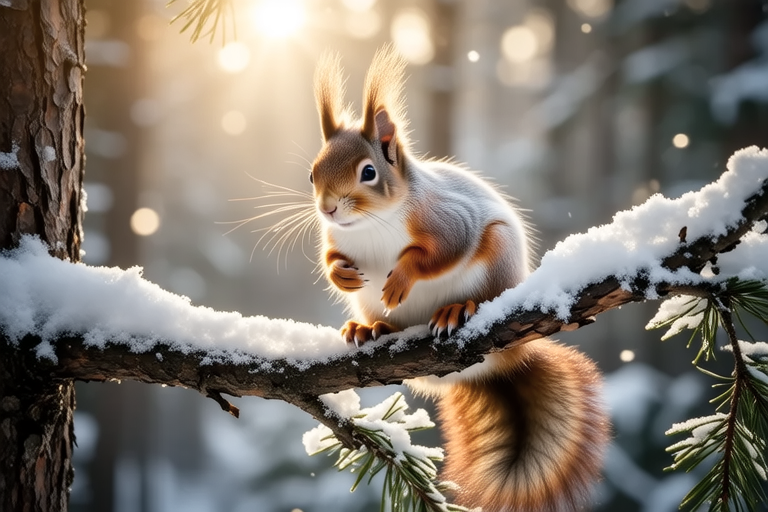
Survival Strategies of Squirrels During Winter
Squirrels, those ubiquitous and agile creatures of the forest, have evolved an array of remarkable survival strategies to endure the harsh winter months. Their adaptation to colder climates involves not only physical changes but also intricate behavioral modifications that ensure their survival through one of nature’s most challenging seasons. This article delves into the lesser-known aspects of these small mammals’ winter survival techniques, offering insights into their food preparation, insulation methods, and navigation of snowy environments.
Food Preparation and Storage
One of the most fascinating aspects of squirrel behavior during winter is their meticulous approach to food preparation and storage. Unlike many other animals, squirrels do not hibernate but remain active throughout the cold season, relying heavily on stored food to sustain themselves. They engage in a process known as “scatter hoarding,” where they bury individual caches of nuts and seeds across various locations within their territory. This strategy minimizes the risk of losing all their provisions to a single predator or environmental event.
In addition to scatter hoarding, some species, particularly gray squirrels, employ another technique called “larder hoarding.” This involves creating centralized storage sites, often beneath the ground or inside tree cavities, where they accumulate large quantities of acorns, walnuts, and other nutritious items. The squirrels then insulate these larders with leaves and twigs to protect against freezing temperatures and potential thieves. Interestingly, studies have shown that squirrels possess a remarkable memory for locating their hidden caches, sometimes retrieving them even after several months.
Insulation Techniques
To combat the biting cold, squirrels have developed several insulation techniques that help them maintain body heat and conserve energy. One of the most notable adaptations is their thick fur coat, which grows denser during autumn in preparation for winter. This extra layer acts as an effective barrier against the elements, trapping warm air close to the skin.
Besides their fur, squirrels also seek out shelter in natural structures such as hollow trees, rock crevices, or abandoned bird nests. These shelters provide additional protection from wind chill and precipitation while allowing squirrels to regulate their internal temperature more efficiently. Some species, like red squirrels, will line their dens with soft materials like moss, feathers, and grasses to further enhance insulation.
Navigating Colder Climates
When it comes to navigating through snow-covered landscapes, squirrels display remarkable agility and ingenuity. Despite their relatively small size, they can move swiftly over deep snow thanks to their powerful hind legs and flexible bodies. They use this mobility to access buried food caches or locate new sources of sustenance.
Some squirrels, especially those living in regions with prolonged periods of heavy snowfall, have adapted by constructing snow tunnels. These underground passageways allow them to travel between different areas without exposing themselves to predators or harsh weather conditions above ground. By maintaining these tunnels, squirrels can efficiently reach their food stores and explore their environment while minimizing energy expenditure.
Foraging Under Snow
Perhaps one of the most impressive feats performed by squirrels during winter is their ability to forage under layers of snow. Using their sharp claws and keen sense of smell, they dig through compacted snow to uncover hidden caches of seeds and nuts. This skill requires both strength and precision, as squirrels must carefully assess the depth of the snow and the location of their targets before beginning excavation.
Interestingly, research has revealed that certain squirrel species exhibit seasonal changes in their foraging patterns. For example, red squirrels tend to become more nocturnal during winter, taking advantage of cooler temperatures to avoid overheating while searching for food. Additionally, some squirrels will modify their diet based on availability, consuming bark, buds, and even insects when preferred food sources are scarce.
Adapting Diets
As mentioned earlier, squirrels adapt their diets according to what is available during winter. While nuts and seeds form the bulk of their usual diet, they supplement this with other plant matter such as buds, twigs, and bark when necessary. In some cases, they may even consume fungi or insect larvae if those resources are abundant.
Another interesting adaptation involves the consumption of tree bark. When food supplies dwindle, squirrels strip away thin layers of bark from trees using their teeth. This not only provides them with nutrients but also helps stimulate sap flow in the spring, aiding in the recovery of damaged trees. However, excessive bark stripping can harm trees, so it’s important for squirrel populations to be managed responsibly.
Hibernation Patterns
Contrary to popular belief, most squirrel species do not enter true hibernation during winter. Instead, they experience periods of torpor, a state characterized by reduced metabolic rate and body temperature. Torpor allows squirrels to conserve energy when food is scarce or environmental conditions are unfavorable.
During torpor, squirrels lower their heart rate significantly, sometimes to just a few beats per minute. Their breathing slows down too, becoming shallow and infrequent. This state can last anywhere from a few hours to several days depending on external factors like temperature and food availability. Once the period of torpor ends, squirrels quickly return to normal activity levels, ready to resume foraging or defending their territories.
Unique Behaviors and Lesser-Known Facts
There are several unique behaviors exhibited by squirrels during winter that might surprise you. For instance, some species, like flying squirrels, become more social during colder months. These nocturnal creatures gather in communal nests, sharing body warmth to stay comfortable despite frigid temperatures. This behavior contrasts sharply with their solitary lifestyle during warmer seasons.
Another lesser-known fact concerns the relationship between squirrels and humans. In urban areas, squirrels often rely on human-provided food sources, such as bird feeders or discarded snacks. While this can provide a convenient source of nutrition, it also poses risks related to dietary imbalances and increased exposure to predators. Therefore, it’s essential for people who feed wild animals to offer appropriate foods and maintain proper feeding practices.
Conclusion
The survival strategies employed by squirrels during winter demonstrate their remarkable resilience and adaptability. From preparing and storing food to navigating snowy environments and adapting their diets, these small mammals have developed a wide range of tactics to thrive in challenging conditions. Understanding these behaviors not only enhances our appreciation for wildlife but also highlights the importance of conservation efforts aimed at protecting habitats and ensuring the continued existence of these fascinating creatures.
