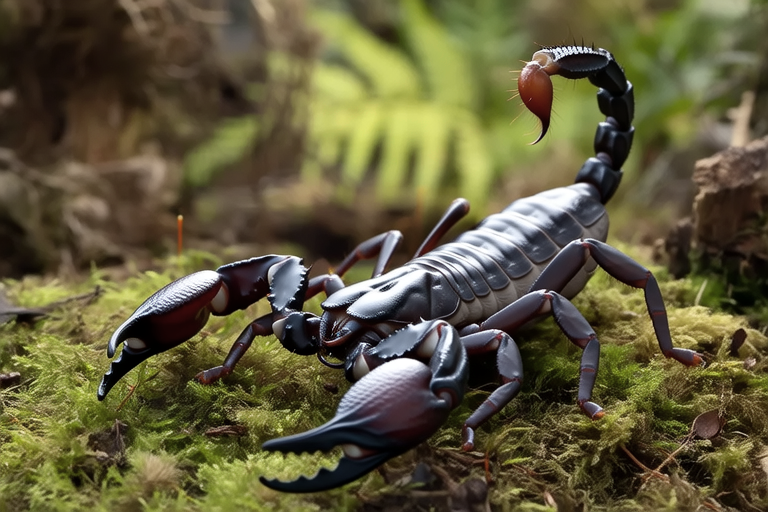
The Hidden World of Heterometrus Spinifer: A Close Encounter with Nature
In the vast and diverse world of arachnids, one species stands out for its unique characteristics and intriguing behavior: the Heterometrus spinifer. Often overshadowed by more popular creatures like tarantulas or scorpions, the Heterometrus spinifer, also known as the Indian ornamental scorpion, offers a fascinating glimpse into the hidden world of scorpions. This article aims to shed light on this remarkable species, exploring its unique features, habitat, behavior, and the lesser-known aspects that make it an essential part of our ecosystem.
Unique Characteristics of Heterometrus Spinifer
The Heterometrus spinifer is a medium-sized scorpion, typically measuring between 7 to 10 centimeters in length. It is easily distinguishable by its striking appearance, characterized by a robust body, thick pincers, and a prominent tail. The species derives its name from the Latin ‘Heterometrus,’ meaning ‘different measure,’ and ‘spinifer,’ which translates to ‘spiny bearer.’ Indeed, the scorpion’s body is adorned with spines along its legs and tail, giving it a formidable and intimidating appearance. These spines serve multiple purposes, including defense and prey capture.
One of the most notable features of the Heterometrus spinifer is its ability to fluoresce under ultraviolet light. This characteristic has intrigued researchers and enthusiasts alike, offering insights into the scorpion’s evolutionary adaptations. The fluorescence serves several purposes, including communication, camouflage, and attracting prey. While the exact mechanism behind this phenomenon remains a subject of ongoing research, it is believed to be linked to the presence of fluorescent proteins within the scorpion’s exoskeleton.
Habitat and Distribution
The Heterometrus spinifer is native to the Indian subcontinent, primarily found in countries such as India, Sri Lanka, and Bangladesh. This species thrives in a variety of habitats, including forests, scrublands, and rocky terrains. They are often found in areas with high humidity and dense vegetation, where they can find ample shelter and food sources. Their adaptability allows them to survive in both urban and rural environments, making them a common sight in many parts of their range.
Despite their widespread distribution, the Heterometrus spinifer faces numerous threats to their natural habitat. Deforestation, urbanization, and agricultural expansion have significantly reduced the availability of suitable living spaces. Additionally, climate change poses a significant risk, altering temperature and moisture levels, which could potentially disrupt the delicate balance required for the survival of these scorpions. Conservation efforts are crucial to protect their habitats and ensure the continued existence of this fascinating species.
Behavior and Lifestyle
The Heterometrus spinifer is primarily nocturnal, spending most of the day hiding in crevices, under rocks, or in burrows. They emerge at night to hunt for small insects, spiders, and other arthropods. These scorpions are ambush predators, relying on their keen senses to detect movement and vibrations in the environment. Once prey is detected, they use their powerful pincers to grasp and immobilize the target before injecting venom through their stinger.
While the venom of the Heterometrus spinifer is potent enough to subdue its prey, it is generally not considered dangerous to humans. In fact, the venom’s primary purpose is to immobilize and digest the prey, rather than to defend against larger predators. However, caution should always be exercised when encountering any wild animal, as individual reactions can vary.
Communication among Heterometrus spinifer individuals is largely non-verbal, utilizing chemical signals and vibrations to convey information. Males engage in complex courtship dances to attract females, involving intricate movements and displays of their fluorescent patterns. These dances serve to establish dominance and suitability as a mate. After mating, the female will carry the eggs internally until they hatch, a process known as ovoviviparity. Once born, the young scorpions remain attached to the mother’s back for several days before venturing off on their own.
Role in the Ecosystem
The Heterometrus spinifer plays a vital role in maintaining the ecological balance of its habitat. As predators, they help control populations of various insect species, preventing overpopulation and ensuring a healthy distribution of resources. Their presence also serves as an indicator of environmental health; the decline of Heterometrus spinifer populations could signal broader issues within the ecosystem.
Moreover, the scorpions contribute to nutrient cycling by breaking down organic matter and returning it to the soil. Their burrowing activities help aerate the ground, promoting plant growth and biodiversity. By playing this dual role as both predator and contributor to soil health, the Heterometrus spinifer exemplifies the interconnectedness of all living organisms within an ecosystem.
Challenges and Conservation Efforts
Despite their importance, the Heterometrus spinifer faces numerous challenges that threaten their survival. Habitat loss due to human activities such as deforestation, agriculture, and urban development has led to a significant reduction in available living spaces. Pollution, particularly from pesticides and industrial waste, poses another major threat, contaminating water sources and affecting food chains.
Climate change further exacerbates these issues by altering temperature and rainfall patterns, which can disrupt breeding cycles and migration routes. To address these challenges, conservationists are working tirelessly to protect and restore habitats, promote sustainable land-use practices, and raise awareness about the importance of preserving biodiversity. Education campaigns aim to dispel misconceptions about scorpions and encourage coexistence between humans and these fascinating creatures.
How Humans Can Coexist Harmoniously with Heterometrus Spinifer
To foster a harmonious relationship with the Heterometrus spinifer, it is essential for humans to adopt responsible behaviors that minimize disturbance to their habitats. This includes avoiding the use of harmful chemicals near known scorpion territories, supporting reforestation projects, and participating in community-based conservation initiatives.
Additionally, public education plays a critical role in changing perceptions about scorpions. By learning about their biology, behavior, and ecological significance, people can develop greater appreciation and respect for these creatures. Community outreach programs, guided tours, and interactive exhibits provide opportunities for individuals to learn firsthand about the wonders of nature and the importance of protecting it.
Ultimately, coexisting harmoniously with the Heterometrus spinifer requires a commitment to sustainability and environmental stewardship. By prioritizing conservation efforts and fostering understanding, we can ensure that future generations have the opportunity to experience the magic of these incredible animals.
Conclusion
The Heterometrus spinifer is a testament to the diversity and complexity of life on Earth. From its unique physical attributes to its integral role in ecosystems, this species offers valuable lessons about resilience, adaptation, and the interconnectedness of all living things. As we continue to explore and understand the hidden world of the Heterometrus spinifer, let us also strive to protect and preserve it for future generations. Through education, conservation, and responsible coexistence, we can ensure that this fascinating creature continues to thrive in its natural habitat.
