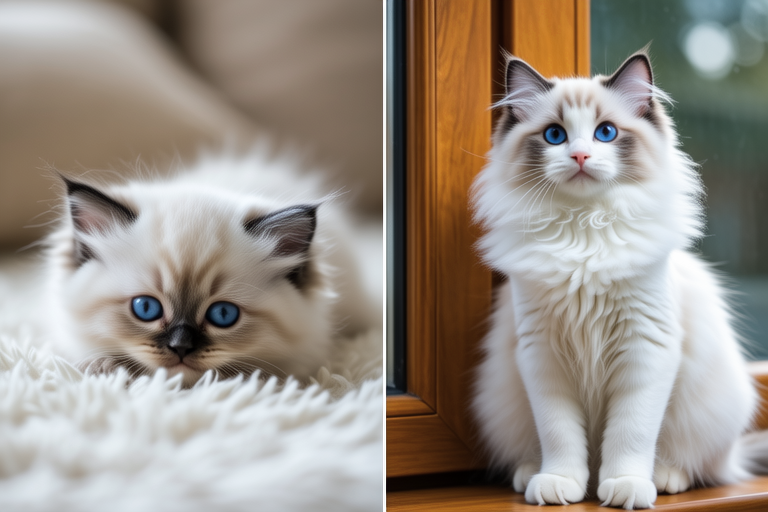
From Playful Kitten to Graceful Adult: Watching a Persian Cat Grow
Welcome to the delightful journey of observing a Persian cat’s transformation from a playful kitten to a graceful adult. Persian cats are known for their luxurious coats, expressive eyes, and gentle demeanor. This article will guide you through the various stages of their growth, providing valuable insights into their unique characteristics, care requirements, and the joys of sharing your life with one of these enchanting creatures.
The Delightful Arrival: Persian Kittens
Persian kittens are born with short fur, which gradually grows longer and more luxurious as they age. Their large, expressive eyes and rounded faces make them irresistibly cute. These kittens are often described as being very affectionate and loving, seeking constant attention and comfort from their human companions.
The initial care for Persian kittens involves creating a comfortable, warm environment. They require frequent feedings with high-quality kitten formula or wet food until they are weaned onto solid foods. Regular visits to the veterinarian are essential to ensure they receive necessary vaccinations and deworming treatments. Grooming should begin early to accustom them to the process, although at this stage, it mainly consists of gentle brushing.
Growing Pains: Physical Changes and Behavioral Developments
As Persian kittens grow, their physical features become more pronounced. By around three months old, their coat begins to thicken and take on its signature texture. Their ears also start to fill out, becoming broader and more characteristic of the breed. At this stage, kittens are highly active, exploring their surroundings with curiosity and playfulness. They enjoy interactive toys that stimulate their minds and provide exercise.
Around six months, Persian kittens enter adolescence, marked by a surge in energy levels and a desire for independence. This can be a challenging phase for owners, as the cats may become more adventurous and less willing to follow commands. However, consistent training and positive reinforcement can help maintain good behavior. By nine months, most Persian cats have reached their full size, though they continue to refine their physical attributes.
Dietary Needs and Nutritional Considerations
Proper nutrition is crucial for the healthy development of Persian cats. Kittens require a diet rich in proteins, fats, and essential vitamins to support their rapid growth. As they mature, their dietary needs change. Adult Persians benefit from a balanced diet that includes high-quality protein sources, such as chicken or fish, along with essential fatty acids to maintain their coat health. Obesity is a common issue among Persian cats due to their sedentary nature, so portion control and regular exercise are important.
Consultation with a veterinarian is recommended to determine the appropriate diet based on the individual cat’s health and activity level. Feeding schedules should be established early on to promote healthy eating habits. Additionally, fresh water should always be available to prevent dehydration, especially in hot weather.
Grooming Challenges and Solutions
One of the most significant challenges in caring for Persian cats is their long, dense fur, which requires extensive grooming. Without proper care, their coats can become matted and tangled, leading to discomfort and potential skin issues. Regular brushing, ideally daily, is essential to prevent matting and remove loose hair. Specialized grooming tools, such as slicker brushes and wide-toothed combs, are recommended for this purpose.
Bathing is another aspect of grooming that requires careful handling. Due to their sensitive skin, Persian cats should only be bathed when absolutely necessary, using a mild shampoo formulated specifically for cats. It’s important to thoroughly rinse all soap residue to avoid irritation. Trimming nails regularly helps prevent scratching injuries and keeps the cat comfortable.
The Graceful Transition: From Kitten to Adult
As Persian cats mature, they undergo a transformation from playful, energetic kittens to calm, serene adults. Their coats continue to develop, reaching their full length and luster by about two years of age. The eyes, which were initially wide and innocent, take on a more mature, thoughtful expression.
Behaviorally, adult Persians tend to be more relaxed and content, enjoying quiet moments with their owners. They often prefer lounging in comfortable spots around the home, such as soft beds or sunny windowsills. Despite their laid-back nature, they still appreciate playtime and interaction, though it may be less intense than during their younger years.
Reflections on the Journey
Watching a Persian cat grow from a tiny, vulnerable kitten into a graceful adult is a deeply rewarding experience. The bond formed between owner and cat deepens over time, creating a special connection that lasts a lifetime. The enduring charm of these cats lies not only in their physical beauty but also in their gentle, affectionate nature.
Owning a Persian cat is a commitment that requires patience, dedication, and love. However, the joy and companionship they bring into your life make every effort worthwhile. Whether it’s the soft purring that accompanies a cozy nap or the comforting presence during quiet evenings, these cats offer a unique blend of elegance and warmth that enriches the lives of those fortunate enough to share their homes.
