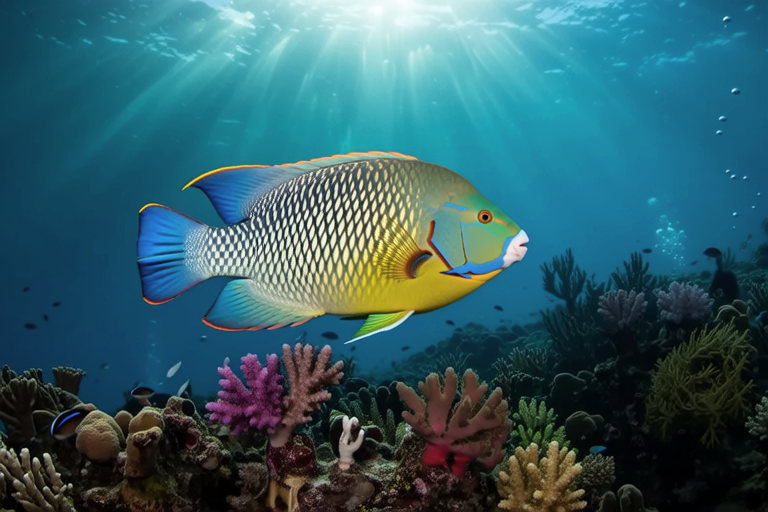
Parrot Fish: The Colorful Kings of Marine Life
Welcome to the fascinating world of parrot fish, a group of marine creatures that are as colorful as they are intriguing. Known for their vibrant hues and unique behaviors, parrot fish play a significant role in maintaining the health of coral reefs. This article delves into the diverse aspects of parrot fish, including their appearance, habitat, diet, behavior, ecological role, and the challenges they face in today’s changing oceans.
The Vibrant Palette of Parrot Fish
One of the most striking features of parrot fish is their stunning array of colors. These tropical fish display an impressive spectrum ranging from electric blues and vivid pinks to rich oranges and deep purples. Their namesake comes from their beak-like mouths, which they use to scrape algae off rocks and coral. Interestingly, some species can change color depending on their mood or age, making them a constantly shifting spectacle in the ocean.
Many people are surprised to learn that not all parrot fish are born with their adult colors. Juveniles often have a completely different appearance, sometimes mimicking the look of other fish to avoid predators. As they mature, their coloration gradually transforms into the bright hues we associate with these fish.
Habitat and Distribution
Parrot fish are primarily found in warm, tropical waters around the world, thriving in environments such as coral reefs, rocky shores, and seagrass beds. They prefer areas with abundant algae and coral, which serve as both food sources and hiding spots. These habitats provide essential protection from larger predators like sharks and barracudas.
Although parrot fish are predominantly found in the Indo-Pacific region, they also inhabit the Caribbean Sea and the Red Sea. Some species have adapted to live in deeper waters, where they find shelter among the reef structures and seagrass meadows.
Diet and Feeding Habits
Parrot fish are herbivores, feeding mainly on algae that grow on coral and rocks. Their strong beaks allow them to scrape off layers of coral and sand, which they then grind down in their pharyngeal teeth. This process helps maintain the health of coral reefs by preventing the overgrowth of algae, which could otherwise smother the coral. Additionally, parrot fish contribute to the formation of sand by excreting fine particles after digesting the coral.
Despite being primarily herbivorous, some parrot fish species occasionally consume small invertebrates and detritus. This dietary flexibility allows them to adapt to changes in their environment and ensures they have a steady supply of nutrients.
Behavior and Social Structure
Parrot fish are known for their social nature and complex behaviors. Many species form large schools during certain times of the year, particularly when spawning. Schools can consist of hundreds of fish, creating a mesmerizing sight as they swim together in unison. During these gatherings, males compete for mates by displaying their brightest colors and performing elaborate dances.
When not schooling, parrot fish tend to be solitary or live in small groups. They are territorial and will defend their feeding grounds against intruders. At night, many species retreat to crevices or caves to sleep, enveloping themselves in a mucus cocoon to protect against predators and parasites.
Ecological Role and Unique Characteristics
Parrot fish play a crucial role in maintaining the balance of coral reef ecosystems. By grazing on algae, they prevent it from overgrowing and suffocating the coral. This activity also promotes the growth of new coral polyps, contributing to the overall health and resilience of the reef. In addition, their excretion of sand helps build and maintain beaches, making them vital to coastal communities.
One of the most fascinating aspects of parrot fish is their ability to change sex. Some species start life as females but later transform into males, a phenomenon known as sequential hermaphroditism. This adaptation ensures genetic diversity within populations and increases the chances of successful reproduction.
Reproduction and Life Cycle
Parrot fish reproduce through external fertilization, with males releasing sperm and females releasing eggs into the water. Spawning events often occur in schools, increasing the likelihood of successful fertilization. After hatching, larvae drift in the open ocean for several weeks before settling on the reef.
The lifespan of parrot fish varies depending on the species, but most live between 7 and 15 years. As they grow, they undergo distinct color changes and develop their characteristic beak-like mouth. These physical transformations coincide with shifts in their behavior and social interactions.
Threats and Conservation Challenges
Despite their importance to marine ecosystems, parrot fish face numerous threats. Overfishing poses one of the greatest dangers, as their meat is highly valued in many parts of the world. Additionally, habitat destruction due to climate change, pollution, and coastal development threatens the survival of these fish and the coral reefs they depend on.
In some cultures, there are myths surrounding parrot fish. For instance, in Polynesian folklore, they are believed to be guardians of the sea, protecting sailors from harm. While these stories add to the mystique of parrot fish, they highlight the cultural significance of these creatures and the need to preserve them for future generations.
The Importance of Conservation Efforts
Conservation efforts are essential for ensuring the survival of parrot fish and the ecosystems they support. Protecting coral reefs and reducing fishing pressure are key steps in safeguarding these colorful kings of the sea. Additionally, raising awareness about the importance of parrot fish and their role in marine biodiversity can inspire individuals and communities to take action.
By supporting sustainable fishing practices, reducing carbon emissions, and promoting responsible tourism, we can help preserve the vibrant world of parrot fish. Through these collective efforts, we can ensure that future generations have the opportunity to witness the beauty and wonder of these magnificent creatures.
