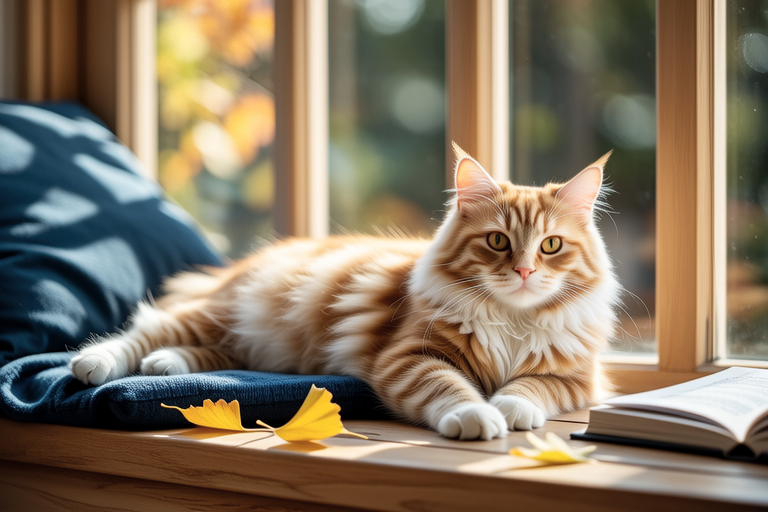
The Cozy Life of an Orange Cat: A Purr-fect Companion
Orange cats, with their striking fur and friendly dispositions, have long been cherished as beloved pets. Their unique charm and distinct personalities make them exceptional companions, bringing warmth and joy to countless homes. In this article, we will explore the world of orange cats, from their charming characteristics to their dietary needs and the special bond they share with their human families.
The Unique Charm and Personality Traits of Orange Cats
Orange cats, often referred to as ginger or marmalade cats, are known for their vibrant coats that range from pale cream to deep copper. These felines are not just visually appealing; they also possess captivating personalities that endear them to many. Typically, orange cats are sociable, playful, and full of energy. They are often described as being more vocal than other breeds, which adds to their interactive nature. Many orange cats enjoy engaging with their owners through meowing, purring, and even mimicking sounds around the house.
Despite their high energy levels, these cats are also incredibly affectionate. They love to be petted and are often found curled up next to their owners, seeking comfort and warmth. Their loyalty and devotion make them excellent companions, especially for individuals who value close bonds with their pets. Studies have shown that orange cats tend to form strong attachments to their human families, often displaying signs of separation anxiety when left alone for extended periods.
Ideal Living Environments for Orange Cats
Creating a comfortable and stimulating environment is crucial for the well-being of any cat, but it’s particularly important for orange cats. These cats thrive in spaces that offer both physical activity and mental stimulation. Providing scratching posts, climbing trees, and toys can help keep them entertained and engaged. Additionally, orange cats enjoy exploring their surroundings, so it’s beneficial to create safe areas where they can roam freely within the home.
While orange cats are adaptable to various living conditions, they generally prefer quiet and peaceful environments. Loud noises or sudden movements can startle them, causing stress. Therefore, it’s essential to provide a calm and secure space for your orange cat. A cozy bed or blanket in a quiet corner of the house can serve as their sanctuary, offering a retreat when they need some solitude.
Dietary Needs of Orange Cats
Nutrition plays a vital role in maintaining the health and vitality of orange cats. Like all cats, they require a balanced diet rich in proteins, fats, and essential nutrients. High-quality cat food that meets the specific nutritional requirements of your orange cat is recommended. Consultation with a veterinarian can help determine the most suitable diet based on age, weight, and overall health.
Water intake is equally important. Ensure fresh water is always available, as dehydration can lead to serious health issues. Some orange cats may be prone to urinary tract problems, so maintaining proper hydration is key. Incorporating wet food into their diet can also help increase water consumption, contributing to better urinary health.
The Bond Between Orange Cats and Their Owners
The relationship between orange cats and their owners is often characterized by deep affection and mutual understanding. These cats are known for their ability to sense their owner’s emotions and provide comfort during times of stress or sadness. Many people report feeling a sense of peace and tranquility when spending time with their orange cat.
Anecdotes abound about the comforting presence of orange cats. One story involves a woman who had recently lost her husband and found solace in her orange cat’s company. The cat would curl up beside her at night, offering silent support and companionship. Another example is a study conducted by a veterinary clinic that observed how orange cats provided emotional support to elderly patients in a nursing home. The cats’ gentle demeanor and attentive nature helped reduce feelings of loneliness and isolation among the residents.
Tips for Potential Owners
If you’re considering adopting an orange cat, there are several steps you can take to ensure a cozy and loving life for both you and your new furry friend:
- Spending Quality Time Together: Dedicate time each day to play and interact with your orange cat. This helps strengthen the bond and keeps them mentally stimulated.
- Regular Vet Visits: Schedule routine check-ups with a veterinarian to monitor your cat’s health and address any concerns early.
- Grooming: Regular grooming sessions are essential for maintaining your orange cat’s coat and skin health. Brushing their fur can also provide an opportunity for bonding.
- Providing Mental Stimulation: Offer a variety of toys and activities to keep your orange cat entertained. Puzzle feeders and interactive games can help prevent boredom and promote cognitive development.
- Creating a Safe Space: Designate a safe and comfortable area within your home where your orange cat can retreat when needed. This could be a cozy bed, a secluded room, or a designated nook.
In conclusion, the cozy life of an orange cat is one filled with love, comfort, and companionship. With their unique charm, social nature, and adaptability, orange cats make wonderful additions to any family. By providing them with a nurturing environment, proper nutrition, and ample attention, you can ensure a happy and healthy life for your orange cat. Embrace the purr-fect companionship they offer, and enjoy the many joys that come with sharing your home with an orange cat.
