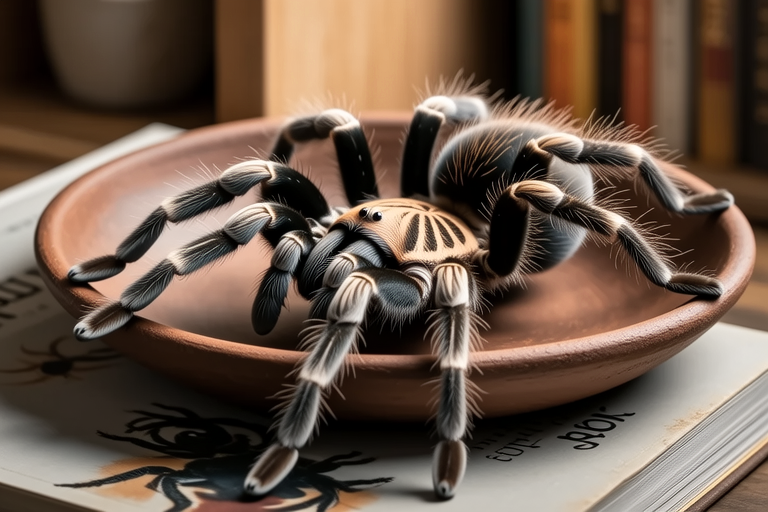
Tarantula Encounters: Stories from Owners Who Live with These Amazing Arachnids
Welcome to the world of tarantulas! These incredible creatures have captivated the hearts of many pet enthusiasts with their unique characteristics and fascinating behaviors. In this article, we will explore stories from owners who have embraced the challenge and joy of living with these amazing arachnids. We’ll delve into their personal anecdotes, share tips on how to care for tarantulas, and debunk common myths surrounding these misunderstood creatures.
Personal Anecdotes: Living with Tarantulas
Meet Sarah, a tarantula owner from California. She shares her experience with us: “When I first brought my tarantula home, I was nervous. However, after spending time with her, I realized she was just another creature with her own needs and desires. She’s become my quiet companion, and I’ve grown to appreciate her unique beauty.”
John from New York adds his story: “My tarantula, Bob, has a very distinct personality. He loves to burrow and hide during the day but becomes more active at night. Watching him hunt crickets is like watching a silent movie – it’s mesmerizing!”
The Unique Characteristics of Tarantulas
Tarantulas come in various sizes, colors, and behaviors, making them a diverse group of pets. Some species are large and hairy, while others are small and sleek. Their legs can span up to 12 inches, and they can live for over 20 years under proper care. Tarantulas also have remarkable abilities, such as regenerating lost limbs and producing silk for shelter and protection.
One of the most fascinating aspects of tarantulas is their defensive mechanism. Many species have urticating hairs on their abdomen, which they flick off when threatened. These hairs can cause irritation to predators, making them less likely to attack. This defense mechanism is one reason why handling your tarantula should be done with care.
Tips for Caring for Tarantulas
Caring for a tarantula requires attention to detail and commitment. Here are some essential tips:
- Housing: Provide a spacious enclosure with appropriate substrate, hiding spots, and ventilation. The size of the enclosure should match the size of your tarantula.
- Temperature and Humidity: Maintain a temperature range between 75-85°F (24-29°C) and humidity levels between 60-80%. Use a hygrometer and thermometer to monitor these conditions.
- Diet: Feed your tarantula appropriately sized insects, such as crickets, roaches, or mealworms. Juvenile tarantulas may eat daily, while adults can be fed every 1-2 weeks.
- Handling: Avoid handling your tarantula unless necessary. If you must handle them, do so gently and support their entire body to prevent injury.
Common Misconceptions About Tarantulas
Many people believe that tarantulas are aggressive and dangerous. While they can bite if provoked, their venom is usually mild and comparable to a bee sting. Another misconception is that tarantulas require little care. In reality, they need a stable environment and regular feeding to thrive.
Some owners worry about tarantulas escaping from their enclosures. Properly secured enclosures and monitoring can prevent escapes. Additionally, tarantulas prefer staying in familiar environments, so they are unlikely to wander far if given the opportunity.
The Rewards of Owning a Tarantula
Owning a tarantula can be a rewarding experience. Watching your pet grow and observing its behavior can be incredibly fulfilling. Tarantulas are relatively low-maintenance pets compared to other animals, making them ideal for individuals with busy lifestyles.
Moreover, tarantulas offer educational opportunities. They can teach responsibility, patience, and respect for wildlife. By learning about tarantulas, you can also contribute to conservation efforts and raise awareness about these fascinating creatures.
The Diversity Within Tarantula Species
The tarantula family includes over 1,000 species, each with its own unique traits and care requirements. Some popular species among hobbyists include:
- Brown Recluse: Known for its distinctive violin-shaped marking, this species is often sought after by experienced keepers due to its docile nature.
- Brazilian Black: A robust and hardy species, perfect for beginners looking for a manageable pet.
- Chilean Rose: A colorful and gentle species, often recommended for those new to tarantula ownership.
Each species has its own set of challenges and rewards, so it’s important to research thoroughly before deciding which tarantula is right for you.
The Responsibilities Involved in Keeping a Tarantula
Before bringing a tarantula into your home, consider the following responsibilities:
- Provide proper housing, diet, and environmental conditions.
- Monitor your tarantula’s health and behavior regularly.
- Prepare for long-term commitment, as tarantulas can live for decades.
- Ensure your tarantula’s safety by securing its enclosure and minimizing risks of escape or injury.
Owning a tarantula requires dedication and knowledge. By understanding the needs of your pet and providing proper care, you can ensure a happy and healthy life for your tarantula.
Conclusion
Tarantulas are amazing pets that offer a unique and rewarding experience for those willing to learn and care for them. From their fascinating behaviors to their diverse appearances, these arachnids have much to offer. By sharing our stories and tips, we hope to inspire and educate others about the joys of living with these incredible creatures.
If you’re considering adding a tarantula to your family, take the time to research and prepare. With the right care and attention, your tarantula can become a beloved member of your household. Happy tarantula keeping!
