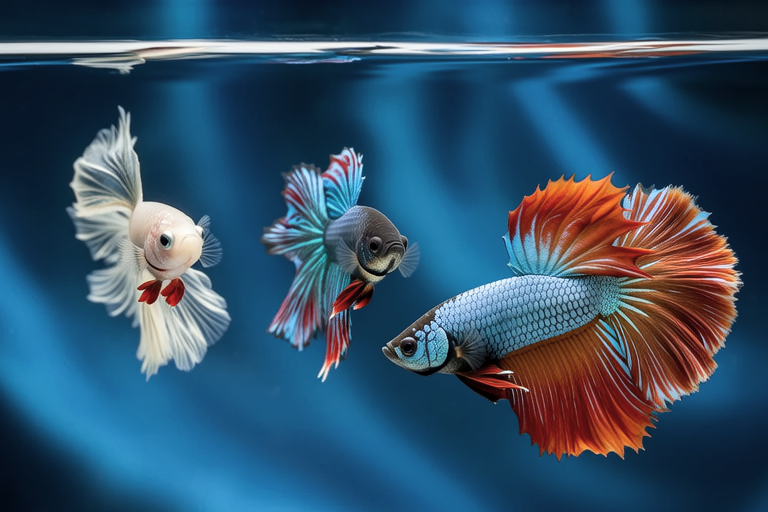
From Tiny Fry to Majestic Adult: The Incredible Journey of a Betta
The journey from a tiny fry to a majestic adult is one of nature’s most fascinating transformations, particularly when it comes to the betta fish. These small but vibrant creatures have captured the hearts of aquarists around the world with their striking colors and flowing fins. This article will take you through the incredible lifecycle of a betta fish, from its beginnings as a tiny fry to its eventual status as a mature and magnificent adult.
The Spawning Process and Emergence of Fry
The life of a betta fish begins with the spawning process, which is a carefully orchestrated event that requires specific environmental conditions. Male bettas build bubble nests, which serve as floating nurseries for the eggs. Once the female is introduced, she releases her eggs while the male fertilizes them. After fertilization, the male carefully collects each egg into the nest. This act not only ensures the safety of the eggs but also showcases the male’s parental instincts.
The eggs hatch within 24 to 36 hours, revealing tiny fry. At this stage, the fry are completely dependent on their parents for survival. They are incredibly vulnerable, measuring just a few millimeters in length. The male betta continues to guard the fry, ensuring their protection from potential threats. However, even with vigilant care, the survival rate of the fry can be low due to various factors such as poor water quality or insufficient food supply.
Care for the Fry: Diet and Environmental Conditions
Ensuring the survival of the fry during their early weeks requires meticulous attention to their dietary needs and environmental conditions. A balanced diet rich in nutrients is crucial for their growth and development. Infusoria, a microscopic organism, is often recommended as the first food source for newly hatched fry. As the fry grow, they can transition to baby brine shrimp or commercially available betta fry food.
The environment in which the fry live must also be meticulously maintained. Optimal water temperature should range between 78°F and 80°F (25°C to 27°C), mimicking the tropical waters of their natural habitat. Regular water changes are essential to maintain water quality, preventing the buildup of harmful substances that could harm the delicate fry. Additionally, the tank should be free from any sharp objects or large decorations that could pose a threat to the small fry.
Juvenile Stage: Growth and Development
As the fry grow, they enter the juvenile stage, marked by significant changes in appearance and behavior. Juvenile bettas start to develop their distinctive colors and patterns, though they may not yet display the vibrant hues of adult bettas. Their fins begin to grow longer and more elaborate, although they are still relatively short compared to those of adults. During this stage, bettas become more active swimmers, exploring their surroundings with increasing curiosity.
Common health issues can arise during the juvenile stage, primarily due to stress or improper care. Fin rot, characterized by frayed or discolored fins, is a frequent concern. To prevent this, ensure that the water quality remains pristine and that the bettas are not exposed to aggressive tankmates. Regular observation and prompt action if signs of illness appear can help maintain the health of your bettas.
Transformation into Adulthood
The journey towards adulthood is marked by the full development of vibrant colors and flowing fins. By this stage, bettas have reached their full size and coloration, showcasing the splendor for which they are renowned. Their fins, once small and simple, have grown into intricate displays of beauty. The males, in particular, exhibit a wide array of colors, from deep blues and reds to iridescent greens and purples, making them a true spectacle in any aquarium.
Adulthood brings new responsibilities and considerations for the aquarist. Maintaining a healthy adult betta involves providing a spacious tank with appropriate filtration to keep the water clean and oxygenated. A variety of hiding spots and plants can help reduce stress and provide a sense of security. Additionally, a balanced diet that includes high-quality flake foods, pellets, and occasional treats like bloodworms or brine shrimp can contribute to their well-being.
Maintaining a Healthy Adult Betta
Maintaining a healthy adult betta requires understanding their unique needs and behaviors. Bettas are territorial and can become stressed if housed with incompatible tankmates. It is advisable to keep them in a single-species tank or with non-aggressive community fish. Regular water changes and proper filtration are key to keeping the water clean and free from harmful bacteria.
Bettas are also sensitive to temperature fluctuations. Keeping the water temperature stable within the optimal range helps prevent stress and promotes overall health. Providing a varied diet and ensuring they have enough space to swim and explore can enhance their well-being. Observing their behavior closely can also alert you to any potential health issues, allowing for timely intervention.
In conclusion, the journey from a tiny fry to a majestic adult is a testament to the resilience and beauty of the betta fish. From the intricate spawning process to the vibrant colors and flowing fins of adulthood, each stage of a betta’s life is filled with wonder and discovery. Whether you are a novice or an experienced aquarist, caring for a betta fish offers a rewarding experience that can deepen your appreciation for these remarkable creatures.
