Tank Titans: How to Care for Your Very Own Arowana
Welcome to the world of arowanas, one of the most majestic and fascinating freshwater fish species. Originating from the Amazon Basin and Southeast Asia, these prehistoric-looking fish have captivated aquarists for centuries with their unique appearance and behavior. This guide will provide you with all the necessary information to care for your very own arowana, ensuring they thrive in your aquarium.
The Origins and Unique Characteristics of Arowanas
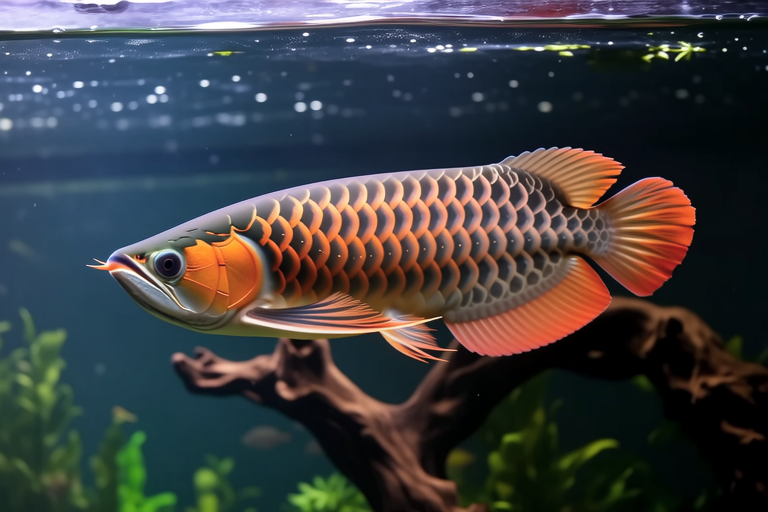
Arowanas belong to the Osteoglossidae family and are known for their long bodies, large scales, and distinctive pectoral fins. These ancient fish have been around for millions of years, earning them the nickname “Dragon of the Water.” Their elongated bodies can grow up to 3 feet in length, making them a striking addition to any aquarium. The silver arowana, also known as the Asian arowana, is particularly popular among hobbyists due to its vibrant coloration and graceful movements.
One of the most remarkable features of arowanas is their ability to leap out of the water to catch insects or other prey. This behavior, known as “surface feeding,” makes them excellent hunters and adds an element of excitement to their care. Additionally, arowanas are highly intelligent and can recognize their owners, often responding to familiar faces with curiosity and enthusiasm.
Setting Up the Perfect Tank Environment
To ensure your arowana thrives, it’s essential to set up an appropriate tank environment that mimics their natural habitat. Here are some key considerations:
Tank Size
Arowanas require ample space to swim freely and display their natural behaviors. For a single adult arowana, a tank measuring at least 48 inches in length, 24 inches in width, and 24 inches in height is recommended. However, larger tanks are always preferable, especially if you plan to keep multiple arowanas or additional fish. Remember, the more space your arowana has, the happier and healthier it will be.
Water Parameters
Maintaining optimal water conditions is crucial for the well-being of your arowana. Aim for a pH level between 6.5 and 7.5, with a temperature range of 78°F to 82°F (25°C to 28°C). Regular water testing and monitoring are essential to prevent fluctuations that could stress your fish. Use a reliable thermometer and pH test kit to keep track of these parameters.
Filtration Systems
Efficient filtration is vital for removing waste and maintaining water quality. Consider using a combination of mechanical, biological, and chemical filtration methods to ensure a healthy aquatic environment. Mechanical filters help remove debris, while biological filters support beneficial bacteria that break down harmful substances. Chemical filtration can further improve water clarity by absorbing toxins and impurities.
Suitable Tank Mates and Dietary Needs
Choosing the right tank mates and providing a balanced diet are critical for your arowana’s health and happiness. Arowanas are carnivorous and require a varied diet rich in protein. Feed them a mix of live, frozen, and high-quality commercial foods such as shrimp, feeder fish, and pellets specifically designed for large predatory fish. Avoid overfeeding, as excess food can pollute the tank and harm your arowana.
Tank Mates
Arowanas can be territorial and may become aggressive towards smaller or slower-moving fish. It’s best to select tank mates that can hold their own against the arowana’s powerful jaws. Some suitable companions include robust species like oscars, tinfoil barbs, and large plecos. Always research potential tank mates thoroughly to ensure compatibility.
Maintaining Water Quality and Health Monitoring
Consistent maintenance is key to keeping your arowana healthy and happy. Perform weekly water changes, removing about 25% of the water and replacing it with fresh, conditioned water. This helps dilute waste products and replenish essential minerals. Additionally, monitor your arowana for signs of illness, such as lethargy, loss of appetite, or unusual spots or lesions on their body.
Common health issues to watch out for include bacterial infections, parasites, and swim bladder disorders. If you notice any concerning symptoms, consult with a veterinarian specializing in exotic fish for proper diagnosis and treatment. Early intervention can make all the difference in your arowana’s recovery.
Bonding with Your Arowana and Rewards of Care
Building a relationship with your arowana can be incredibly rewarding. Spend time observing their daily activities and interactions with their surroundings. Many arowanas develop preferences for certain foods or feeding times, making each feeding session a special moment. Some aquarists even train their arowanas to respond to commands or hand feed them, fostering a deeper connection.
Caring for an arowana is a commitment that brings immense satisfaction. Watching your fish grow and thrive in a well-maintained environment is truly gratifying. By providing them with the right care, you’re not only ensuring their health but also preserving the legacy of these magnificent creatures for future generations.
In conclusion, owning an arowana is a unique and fulfilling experience that requires dedication and knowledge. With the right setup, diet, and care, your arowana will become a cherished member of your aquatic family. Embrace the challenge and enjoy the rewards of nurturing these tank titans.
