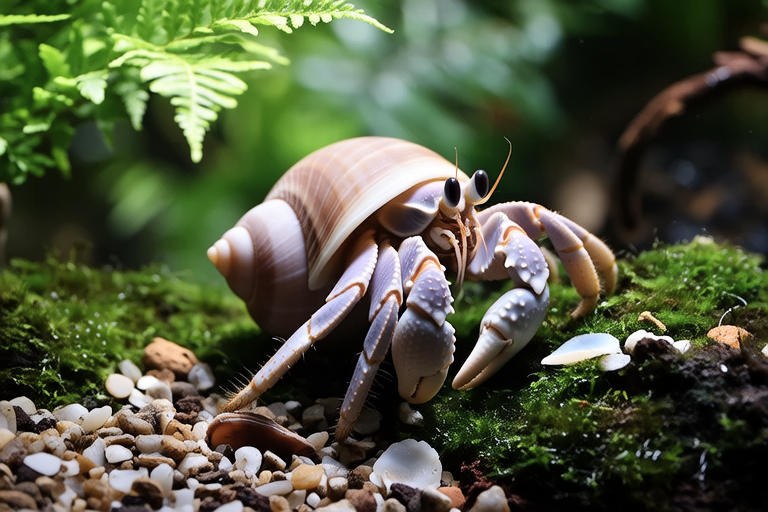
Adventures in Miniature: Raising Happy and Healthy Hermit Crabs
Welcome to the world of miniature adventures! If you’re looking for a fascinating and low-maintenance pet that can bring joy and wonder into your home, hermit crabs might just be the perfect choice. These tiny creatures, known for their quirky personalities and fascinating behaviors, offer a unique and rewarding experience for both novice and experienced pet owners. In this guide, we’ll explore everything you need to know about raising happy and healthy hermit crabs, from setting up their habitat to ensuring their well-being.
The Unique World of Hermit Crabs
Hermit crabs are not only small but also incredibly social and interactive. They belong to the family Paguridae and are known for their habit of carrying around discarded shells as protection. These shells are crucial for their survival, as hermit crabs do not have a hard exoskeleton like other crustaceans. Instead, they rely on the shell to protect their soft abdomens. Their small size makes them ideal for apartment living or for those who want a pet that requires minimal space.
One of the most intriguing aspects of hermit crabs is their behavior. They are nocturnal, which means they are most active during the night, often climbing, exploring, and interacting with their surroundings. Watching them scuttle around their habitat at night can be a delightful experience. Additionally, hermit crabs are social animals and thrive when kept in groups. They enjoy the company of their own kind and will often interact with each other, making them a fascinating subject for observation.
Habitat Setup Essentials
To ensure your hermit crabs lead a happy and healthy life, it’s crucial to set up their habitat correctly. The first step is to choose an appropriate enclosure. A glass or plastic aquarium with a secure lid is ideal, providing enough space for your crabs to move around comfortably. A general rule of thumb is to provide at least one gallon of space per crab.
The substrate is another vital element of the habitat. A mix of sand, coconut fiber, and crushed coral creates an optimal environment. This substrate combination mimics their natural habitat and provides the necessary minerals for molting. Ensure the substrate is deep enough for burrowing and offers a safe place for your crabs to hide and rest.
Water dishes are essential for hermit crabs. They need access to both freshwater and saltwater to maintain their health. Freshwater helps them drink and keep hydrated, while saltwater aids in cleaning their shells. It’s important to change the water regularly to prevent bacterial growth. Providing multiple water dishes allows the crabs to choose their preferred type of water.
Hiding spots are also crucial for hermit crabs. They need places to retreat and feel secure. Incorporate various decorations such as driftwood, rocks, and ceramic caves. These not only provide shelter but also add visual interest to the tank. Make sure any items added to the tank are smooth and free of sharp edges to prevent injuries.
Temperature and Humidity Control
Maintaining the correct temperature and humidity levels is essential for the well-being of hermit crabs. These tropical creatures require a warm and humid environment to thrive. The ideal temperature range for hermit crabs is between 75°F and 85°F (24°C to 29°C). A heat lamp or under-tank heater can help achieve these temperatures, especially if you live in cooler climates.
Humidity levels should be maintained between 70% and 80%. This can be achieved through regular misting of the tank or using a hygrometer to monitor the humidity. Ensuring proper humidity levels is particularly important during molting, as hermit crabs shed their exoskeletons and need a moist environment to regenerate their new one.
Choosing Tank Mates and Maintaining Cleanliness
Hermit crabs are social creatures and benefit from the companionship of their own kind. However, it’s important to choose compatible tank mates carefully. Avoid housing hermit crabs with aggressive species that may harm them. Compatible tank mates include other hermit crabs, certain species of fish, and non-aggressive snails. Always research potential tank mates thoroughly before introducing them to your hermit crabs’ habitat.
Maintaining a clean environment is crucial for the health of your hermit crabs. Regularly clean the substrate and replace it as needed. Remove uneaten food and any waste to prevent the buildup of harmful bacteria. Cleaning the water dishes daily ensures that your crabs always have access to fresh water. Additionally, a thorough cleaning of the entire habitat every few months helps prevent the accumulation of toxins and keeps the environment healthy.
Feeding Your Hermit Crabs
Proper nutrition is key to keeping your hermit crabs happy and healthy. A balanced diet includes a variety of foods, including commercial hermit crab food, fresh fruits, vegetables, and protein sources. Commercial hermit crab food provides essential nutrients and minerals. Fresh fruits and vegetables, such as apples, bananas, carrots, and leafy greens, offer vitamins and hydration. Protein sources like cooked chicken, shrimp, and fish provide necessary amino acids.
It’s important to supplement their diet with calcium and other essential minerals. Crushed eggshells or calcium supplements can be offered to support healthy shell growth. Additionally, providing cuttlebone, which is often used for birds, can help maintain strong shells. Ensure that all food items are washed thoroughly and free from pesticides before offering them to your hermit crabs.
Common Health Issues and Longevity
Like any pet, hermit crabs can face health issues. Common problems include shell rot, molting complications, and respiratory infections. Shell rot occurs when the shell becomes damaged or infected, leading to soft spots or discoloration. Molting complications can arise if the humidity levels are too low, causing the crab to get stuck during the process. Respiratory infections are often caused by poor water quality or high ammonia levels.
To prevent these issues, it’s essential to provide a clean and well-maintained habitat. Regularly inspect the shells for any signs of damage or infection. During molting, monitor your crabs closely and ensure they have a safe and moist environment. If you notice any unusual behavior or physical changes, consult a veterinarian specializing in exotic pets for guidance.
With proper care, hermit crabs can live long, happy lives. On average, they can live for several years, with some species potentially reaching up to 30 years. By creating a nurturing and enriching environment, you can ensure that your hermit crabs thrive and bring endless fascination and joy to your home.
In conclusion, raising happy and healthy hermit crabs involves creating a stimulating and supportive habitat, maintaining optimal temperature and humidity levels, providing a balanced diet, and being attentive to their health needs. With patience, dedication, and love, you can embark on a wonderful journey of adventure in miniature, discovering the unique charm and wonder of these captivating creatures.
