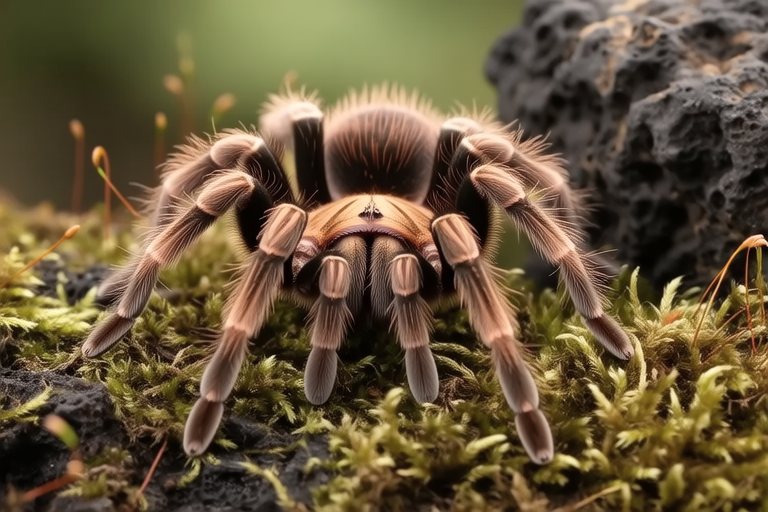
Chilean Rose Tarantulas 101: Everything You Need to Know Before Adoption
Welcome to your comprehensive guide to Chilean rose tarantulas! Whether you’re a seasoned arachnid enthusiast or considering your first tarantula, this article will provide you with all the essential information to ensure you can make an informed decision about adopting one of these fascinating creatures.
Introduction to Chilean Rose Tarantulas
The Grammostola rosea, commonly known as the Chilean rose tarantula, is a popular choice among tarantula enthusiasts due to its docile temperament and manageable size. Native to the dry regions of Chile, Argentina, and Bolivia, these spiders are often referred to as “rosy” because of their pinkish hue when young, which fades to a more brownish color as they mature. They are also known for their relatively calm demeanor, making them ideal for beginners.
Natural Habitat
In the wild, Chilean rose tarantulas inhabit arid and semi-arid environments, including desert and scrublands. They prefer areas with sandy soil where they can dig burrows. These burrows serve as both shelter and a hunting ground, allowing them to ambush prey that ventures too close. Their natural environment is characterized by low humidity and temperatures ranging from 70°F to 85°F (21°C to 29°C), which is important to replicate in captivity.
Behavior
Chilean rose tarantulas are generally non-aggressive and are not prone to biting unless provoked. They tend to be shy and prefer to avoid confrontation, often retreating into their burrows when threatened. In captivity, they may flick urticating hairs from their abdomen if they feel endangered. These hairs can cause irritation to the skin and eyes of predators, but they are harmless to humans with normal skin.
Dietary Needs
Feeding your Chilean rose tarantula is straightforward. They are carnivorous and primarily feed on insects such as crickets, mealworms, and waxworms. It’s important to ensure that the prey items are appropriately sized for the tarantula. Juvenile tarantulas should be fed smaller prey items every few days, while adults can be fed less frequently, approximately once a week. Always remove uneaten prey after a day to prevent it from harming the tarantula.
Housing Requirements
Creating an appropriate living space is crucial for the health and well-being of your Chilean rose tarantula. A suitable enclosure should be at least three times the leg span of the spider in length and width, and deep enough for the tarantula to comfortably dig. A substrate of coconut fiber, vermiculite, or a mix of sand and soil is recommended to mimic their natural habitat. The enclosure should be kept clean, with regular substrate changes to maintain hygiene.
Temperature and humidity levels should be monitored and maintained within the range of 70°F to 85°F (21°C to 29°C) and 40% to 60%, respectively. This can be achieved through the use of heat mats and humidifiers. Proper ventilation is also necessary to prevent the buildup of harmful bacteria and fungi.
Care Tips
Handling your Chilean rose tarantula requires patience and careful technique. Due to their relatively docile nature, they are often considered good candidates for gentle interaction, but it’s important to handle them with care. Always wash your hands before and after handling to avoid transferring oils or residues that could stress the tarantula. Use a soft, wide-mouthed container or a tarantula hook to gently move the spider, minimizing direct contact.
Regular observation is key to ensuring the health of your tarantula. Look out for signs of illness such as lethargy, refusal to eat, or abnormal movements. If you notice any concerning behaviors, consult a veterinarian specializing in exotic animals.
Legal Considerations
Before bringing home a Chilean rose tarantula, it’s essential to check local regulations regarding exotic pet ownership. Some countries and states have strict laws governing the keeping of tarantulas, and certain species may require permits or licenses. Additionally, consider the ethical implications of keeping wild animals in captivity. Ensure that your purchase supports ethical breeding practices and that you are contributing to the conservation of the species.
Handling and Interaction
When handling your tarantula, always prioritize safety for both you and the spider. Start by placing your hand gently into the enclosure to allow the tarantula to become accustomed to your presence. Once it has settled, use a soft, wide-mouthed container or a tarantula hook to carefully coax the spider onto your hand. Keep interactions short and stress-free, as prolonged handling can be stressful for the tarantula.
Never attempt to grab or pick up a tarantula by its legs or body. Instead, let it climb onto your hand on its own. If you need to move the tarantula between enclosures, use a container or hook to transfer it without direct contact. Always supervise children when they interact with the tarantula and teach them proper handling techniques to minimize the risk of injury.
Common Myths About Tarantulas
There are several misconceptions surrounding tarantulas that can deter potential owners. One common myth is that all tarantulas are highly aggressive and dangerous. While some species can be aggressive, the Chilean rose tarantula is known for its calm demeanor. Another myth is that tarantulas are difficult to care for. With the right knowledge and preparation, caring for a Chilean rose tarantula can be a rewarding experience.
Additionally, some people believe that tarantulas are solitary creatures that never interact with humans. While they are not social animals, they can become accustomed to gentle handling over time, making them interesting companions for the right owner.
Why They Make Unique Pets
For the right owner, Chilean rose tarantulas can offer a unique and fascinating addition to a household. Their docile nature, manageable size, and relatively simple care requirements make them accessible to beginners. Watching these creatures hunt, molt, and interact with their environment can be both educational and entertaining. Furthermore, their long lifespan, often exceeding 10 years, allows for a long-term bond with your pet.
However, it’s important to remember that tarantulas are not for everyone. They require a specific environment and commitment to care. Potential owners should be prepared to invest time and resources into creating a suitable habitat and maintaining the health of their tarantula.
