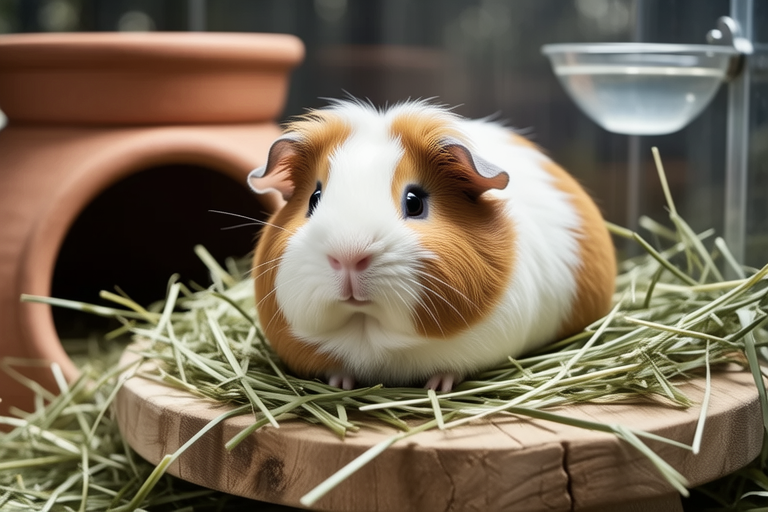
How to Create the Perfect Habitat for Your Happy and Healthy Guinea Pig
Guinea pigs, also known as cavies, are delightful pets that bring joy and companionship to many households. To ensure your guinea pig remains happy and healthy, it is crucial to provide them with an environment that meets their physical and psychological needs. This guide will walk you through the essentials of creating the perfect habitat for your guinea pig, covering aspects such as cage size, bedding, ventilation, temperature control, hiding spots, toys, diet, and cleaning schedules.
Selecting an Appropriate Cage Size
The first step in creating a suitable habitat for your guinea pig is choosing the right cage. The size of the cage is one of the most critical factors in ensuring your guinea pig’s health and happiness. A spacious cage allows your pet to move around freely, exercise, and engage in natural behaviors.
For a single guinea pig, the minimum recommended cage size is 7.5 square feet (approximately 2×3.5 feet). If you have multiple guinea pigs, you should add about 2 square feet per additional animal. Bigger is always better; a larger cage provides more room for exercise, exploration, and social interaction.
Choose a cage with solid sides and a secure lid to prevent escapes and protect your guinea pig from predators or other household dangers. Wire-bottom cages can cause foot injuries and should be avoided. Opt for solid flooring or provide a soft, comfortable surface.
Choosing Bedding Materials
The type of bedding you choose for your guinea pig’s cage is vital for their comfort and health. Proper bedding helps absorb urine and waste, reduces odors, and provides insulation against temperature changes.
Safe bedding options include:
- Paper-based bedding: Made from recycled paper, this type of bedding is biodegradable, easy to clean, and free of dust and chemicals.
- Cedar and pine shavings: While these are popular choices, they can release aromatic oils that may irritate your guinea pig’s respiratory system. Avoid these if possible.
- Fresh hay: Not only does hay serve as bedding but it’s also an essential part of your guinea pig’s diet. It encourages natural foraging behavior and provides a comfortable resting spot.
Change the bedding regularly to maintain hygiene and prevent the buildup of bacteria and ammonia. This will help keep your guinea pig’s living area fresh and reduce the risk of respiratory infections.
Ensuring Proper Ventilation
Proper ventilation is essential for maintaining a healthy living environment for your guinea pig. Poor ventilation can lead to respiratory issues, so it’s important to ensure your guinea pig’s cage has adequate airflow.
Adequate ventilation can be achieved by:
- Choosing a cage with mesh or wire sides that allow air to circulate freely.
- Avoiding placing the cage in direct sunlight or near heat sources that could increase the temperature inside the cage.
- Using a fan or air conditioner during hot weather to regulate the temperature and humidity levels.
Ensure there is no draft coming into the cage that could cause your guinea pig to catch a cold. Regularly check the cage for any signs of mold or mildew growth, which can indicate poor ventilation.
Controlling Temperature
Guinea pigs are sensitive to temperature extremes, and maintaining a consistent temperature range is crucial for their well-being. The ideal temperature for a guinea pig’s habitat is between 65°F and 75°F (18°C and 24°C). Avoid exposing your guinea pig to temperatures below 60°F (15°C) or above 80°F (27°C).
In colder months, provide extra bedding to insulate your guinea pig from the chill. You can also use a heated pad placed under one side of the cage to give your pet a warm spot to rest. In warmer months, make sure your guinea pig has access to cool water and shade. Consider using a small fan to circulate air if necessary.
Monitor the temperature regularly and adjust as needed to ensure your guinea pig stays comfortable year-round.
Providing Hiding Spots
Hiding spots are essential for your guinea pig’s psychological well-being. These areas provide a sense of security and comfort, helping to reduce stress and anxiety. Guinea pigs are prey animals, and having a safe place to retreat to when they feel threatened is crucial.
You can create hiding spots using:
- Baskets or boxes: Place a basket or box inside the cage for your guinea pig to hide in.
- Cardboard tubes: Roll up pieces of cardboard into tubes and place them in the cage.
- Commercial hideaways: There are various commercial hideaway options available that are specifically designed for guinea pigs.
Make sure the hiding spots are large enough for your guinea pig to fit comfortably and that they are stable and won’t tip over easily. Rotate the hiding spots periodically to keep your guinea pig engaged and interested.
Offering Toys for Mental Stimulation
Toys are not just for fun; they play a crucial role in keeping your guinea pig mentally stimulated and physically active. Providing a variety of toys can help prevent boredom and promote healthy behaviors.
Some great toy options include:
- Tunnels: PVC pipes or commercial tunnels allow your guinea pig to explore and play.
- Chew toys: Wooden blocks or chew toys made from safe materials encourage gnawing, which helps keep your guinea pig’s teeth trimmed.
- Wheels: Wheels designed specifically for guinea pigs allow them to run and exercise.
- Ball pits: Fill a container with balls for your guinea pig to roll around in.
Rotate toys regularly to keep things interesting and avoid overuse, which can lead to wear and tear on the toys. Always supervise your guinea pig when they are playing with new toys to ensure they are safe and appropriate.
Dietary Considerations Within the Habitat
Providing a balanced diet is key to your guinea pig’s overall health. Their diet should consist of hay, fresh vegetables, and a small amount of pellets. Hay should be available at all times, as it aids digestion and keeps teeth healthy. Fresh vegetables should be offered daily, with dark leafy greens being particularly beneficial. Avoid feeding too many fruits, as they are high in sugar.
Place food dishes in areas where your guinea pig feels safe and comfortable eating. Ensure the dishes are easy to reach and clean. Refill the food and water bowls daily to maintain freshness. Provide clean, fresh water in a sipper bottle or heavy-duty water dish.
Consider offering a variety of foods to keep your guinea pig interested and engaged. Rotate different types of vegetables and herbs to prevent boredom and provide a range of nutrients.
Establishing a Regular Cleaning Schedule
Maintaining a clean habitat is essential for your guinea pig’s health. Regular cleaning helps prevent the buildup of bacteria, fungi, and parasites that can cause illness. Establish a cleaning schedule that works for you and your pet’s needs.
Here’s a basic cleaning routine:
- Daily: Remove soiled bedding, uneaten food, and any debris from the cage. Clean and refill water bottles and food dishes.
- Weekly: Thoroughly clean the entire cage, including all surfaces and accessories. Use a pet-safe disinfectant to sanitize the cage and remove any lingering odors.
- Monthly: Deep clean the cage, paying special attention to areas where waste tends to accumulate. Check for any signs of wear or damage and replace any worn-out items.
Always wash your hands before and after handling your guinea pig or cleaning their cage to prevent the spread of germs.
Conclusion
Creating the perfect habitat for your guinea pig involves careful consideration of several key elements: cage size, bedding, ventilation, temperature control, hiding spots, toys, diet, and cleaning schedules. By providing a spacious, well-ventilated, and stimulating environment, you can ensure your guinea pig remains happy, healthy, and thriving. Regular care and attention to these details will help your pet live a long and fulfilling life.
