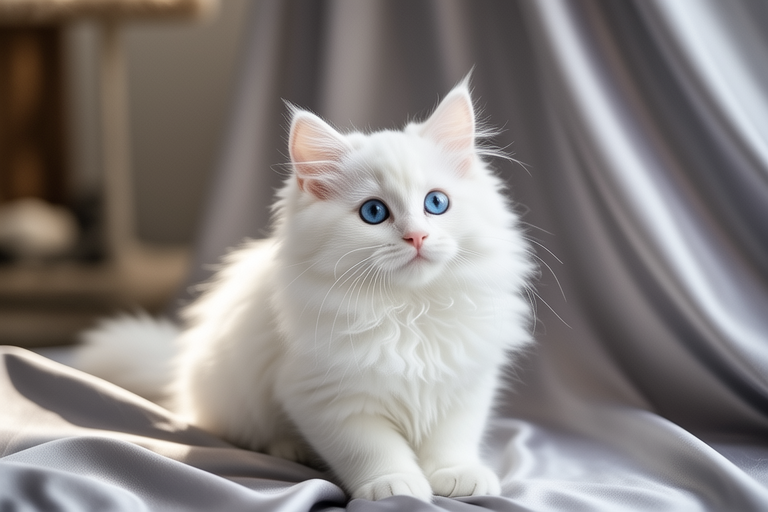
From Ankara to Your Home: Discovering the Turkish Angora’s Legacy
The Turkish Angora, a breed of cat renowned for its elegance and grace, has captivated hearts for centuries. Originating from Ankara, Turkey, this breed carries with it a rich history that intertwines with the cultural heritage of its homeland. This article delves into the origins of the Turkish Angora, its distinctive appearance, temperament, genetic health, and the care required to ensure these magnificent creatures thrive in homes around the world.
Origins and Historical Significance
The Turkish Angora traces its roots back to the ancient city of Ankara, formerly known as Angora, located in central Anatolia. Historically, this breed was revered and cherished by the Ottoman Empire, often being kept in royal harems. The cats were celebrated for their beauty and were even gifted to foreign dignitaries as symbols of prestige and friendship. Over time, the Turkish Angora became an integral part of the cultural fabric, symbolizing sophistication and grace.
These cats have been documented since the 16th century, and their presence in literature and art underscores their significance. In fact, the Turkish Angora was one of the first cat breeds recognized by the Cat Fanciers’ Association (CFA) in 1973, further cementing its place in the annals of feline history. The breed’s legacy extends beyond its aesthetic appeal; it is also deeply rooted in folklore and mythology, often associated with good fortune and protection.
Distinctive Appearance
One of the most striking features of the Turkish Angora is its long, silky coat, which comes in a variety of colors and patterns. These include solid colors such as white, black, blue, red, and cream, as well as tabby, tortoiseshell, and bi-color patterns. However, the breed is perhaps best known for its striking white coats, often adorned with a single spot of color, usually black or blue, on the top of the head, known as a ‘locket.’ This unique marking adds to the breed’s mystique and charm.
Equally captivating are the Turkish Angora’s eyes, which can be a mesmerizing array of colors, including blue, green, gold, and even heterochromia, where each eye is a different color. The combination of these eye colors with their almond-shaped structure gives the breed an ethereal, almost otherworldly appearance. Their slender, muscular bodies and long, elegant legs complete the picture of a cat that is as graceful as it is regal.
This distinctive appearance sets the Turkish Angora apart from other breeds. Its sleek, flowing coat and piercing eyes make it stand out in any room, while its slender build and agile movements reflect its natural agility and athleticism. The breed’s beauty is not just skin-deep; it is a reflection of centuries of selective breeding aimed at preserving and enhancing its unique characteristics.
Temperament, Intelligence, and Adaptability
Beyond their striking appearance, Turkish Angoras are known for their playful, affectionate nature. They are highly intelligent and curious, always eager to explore their surroundings and engage with their environment. This intelligence makes them quick learners, and they can easily be trained to perform tricks or respond to commands. Their adaptability means they can thrive in various living situations, from bustling city apartments to spacious rural homes.
Turkish Angoras are also known for their strong bonds with their human companions. They are social animals that enjoy interacting with people and other pets, making them ideal companions for families or individuals looking for a loyal, loving pet. Despite their independent streak, they crave attention and affection, often following their owners around the house or curling up beside them for comfort. Their playful nature and desire for interaction make them excellent companions for children and adults alike.
Genetic Factors and Health
The Turkish Angora’s unique appearance is the result of specific genetic factors. The breed’s long, silky coat is due to a dominant gene, while the white coat and blue eyes are linked to the recessive gene responsible for albinism. While this genetic makeup contributes to the breed’s distinctiveness, it also makes them susceptible to certain health issues, particularly deafness in blue-eyed white cats.
Despite these challenges, Turkish Angoras are generally healthy and long-lived, with many living into their late teens or early twenties. Regular veterinary check-ups, a balanced diet, and proper grooming can help ensure their continued good health. It’s important to address any misconceptions about the breed, such as the belief that all white cats with blue eyes are deaf. While some may be, many are not, and regular health screenings can identify any potential issues early.
Care and Maintenance
Proper care is essential for maintaining the health and well-being of a Turkish Angora. Their long, silky coats require regular brushing to prevent matting and reduce shedding. A weekly brushing session is recommended, especially during seasonal changes when shedding increases. Additionally, their nails should be trimmed regularly to prevent overgrowth and injury.
Dental hygiene is another critical aspect of care. Regular dental cleanings and check-ups can help prevent gum disease and tooth decay. Providing appropriate toys and activities can also help maintain their physical and mental health. Interactive play sessions and puzzle toys stimulate their minds and keep them engaged.
For potential owners, it’s important to consider the breed’s high energy levels and social needs. A Turkish Angora requires plenty of space to move around and opportunities for interaction. They are not suited for households where they will be left alone for extended periods. Instead, they thrive in environments where they can interact with family members throughout the day.
The Joy of Owning a Turkish Angora
Owning a Turkish Angora is a rewarding experience that brings joy and companionship into the home. Their playful, affectionate nature and strong bond with their owners make them cherished members of the family. Whether lounging together on the couch or playing interactive games, these cats provide endless entertainment and companionship.
As you welcome a Turkish Angora into your home, you are not just adopting a pet but embracing a piece of history and culture. Their legacy continues to inspire admiration and affection, ensuring that the Turkish Angora remains a beloved breed for generations to come.
