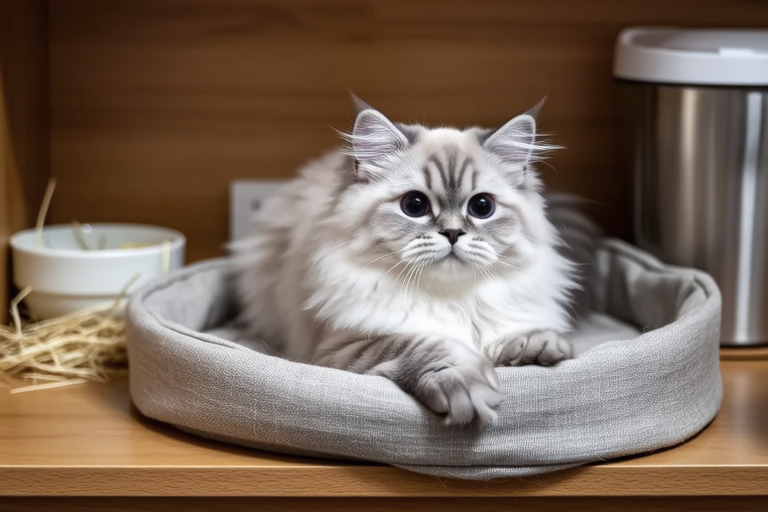
Chinchilla Care 101: Essential Tips for Happy, Healthy Pets
Welcome to the wonderful world of chinchillas! These small, fluffy creatures have captured the hearts of many pet lovers with their charming personalities and unique appearance. However, owning a chinchilla comes with specific responsibilities that ensure their happiness and longevity. This comprehensive guide will provide you with essential knowledge and practical advice to help you care for your chinchilla properly.
Diet: The Foundation of Chinchilla Health
Feeding your chinchilla correctly is crucial for their overall health. Their diet should primarily consist of high-quality timothy hay, which aids digestion and dental health. Supplement this with pellets specifically formulated for chinchillas, ensuring they meet nutritional requirements. Avoid seeds, nuts, and fruits as they can cause obesity and tooth decay. Always provide fresh water in a sipper bottle, cleaned daily to prevent bacterial growth.
Habitat Setup: Creating a Safe and Comfortable Home
A proper habitat is vital for your chinchilla’s well-being. Choose a spacious cage with multiple levels, at least 24 inches wide by 24 inches deep by 36 inches tall. Use solid flooring or wire mesh with half-inch spacing to prevent foot injuries. Line the bottom with dust-free bedding like paper towels or recycled paper products. Provide plenty of toys and hiding spots to stimulate mental and physical activity. Position the cage away from direct sunlight and drafts to maintain a temperature between 60°F and 70°F (15°C to 21°C).
Exercise Needs: Keeping Your Chinchilla Active
Chinchillas are naturally active animals that require regular exercise to stay healthy. In addition to a multi-level cage, offer chew toys, tunnels, and platforms for climbing. Supervised playtime outside the cage is also beneficial. Ensure the room is safe and free of hazards like open windows, electrical cords, and toxic plants. Limit playtime to about 15 minutes per day to prevent stress and exhaustion.
Grooming: Maintaining Your Chinchilla’s Fur
Chinchillas have incredibly dense fur that requires special attention. They clean themselves through dust baths, so provide a shallow container filled with commercial chinchilla dust twice weekly. Remove any excess dust after the bath to prevent ingestion. Regular brushing may be necessary during shedding seasons. Check your chinchilla’s ears, eyes, and nose for signs of infection or irritation. Clip nails every few weeks to prevent overgrowth.
Health Issues: Recognizing and Preventing Common Problems
Common health issues in chinchillas include dental problems, respiratory infections, and digestive disorders. Signs of illness include lethargy, loss of appetite, discharge from the nose or eyes, and difficulty breathing. Regular veterinary check-ups are essential, especially for new chinchillas. Early detection and treatment can prevent serious complications. Maintain a clean environment and monitor your chinchilla’s behavior closely for any changes.
Social Behavior: Understanding Your Chinchilla’s Personality
Chinchillas are generally solitary animals in the wild but can form strong bonds with their human companions. They may exhibit various behaviors such as purring, chirping, and stomping, each with its meaning. Purring indicates contentment, while chirping can signal fear or excitement. Stomping often signifies alarm or discomfort. Spend time handling your chinchilla gently and consistently to build trust. Avoid sudden movements or loud noises that might startle them.
Tips for Bonding with Your Chinchilla
Bonding with your chinchilla takes patience and consistency. Start by offering treats and gentle strokes during short sessions. Gradually increase the duration of these interactions as your chinchilla becomes more comfortable. Talk softly and move slowly around them. Some chinchillas enjoy being held, while others prefer sitting on your lap or shoulder. Respect your chinchilla’s boundaries and never force interaction.
Conclusion: A Commitment to Your Chinchilla’s Well-being
Owning a chinchilla is a rewarding experience that requires dedication and understanding of their unique needs. By providing a balanced diet, a suitable habitat, opportunities for exercise, proper grooming, and attentive care, you can ensure your chinchilla lives a long, healthy, and happy life. Remember, each chinchilla is an individual with its own personality and preferences. Take the time to learn about your pet and respond to their needs accordingly. With love and care, you’ll form a strong bond with your chinchilla and share countless joyful moments together.
