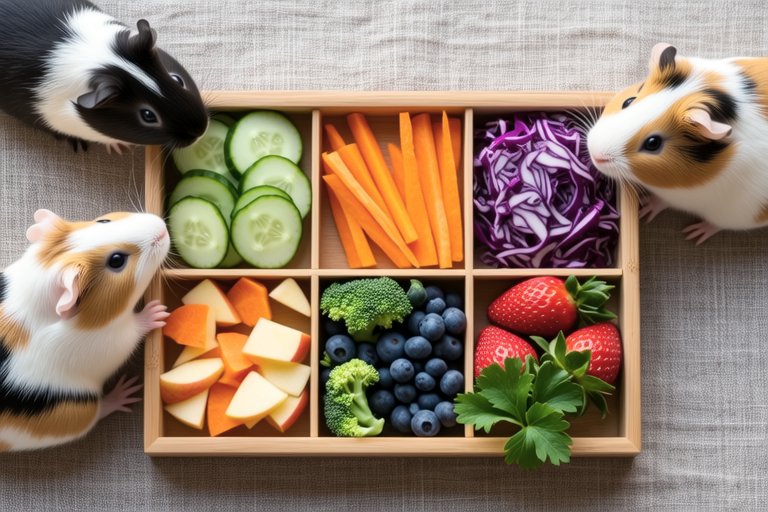
The Top 10 Safe Snacks That Will Make Your Guinea Pig Go Wild!
Guinea pigs, also known as cavies, are delightful pets that require a balanced diet to stay healthy and happy. Their diet primarily consists of hay, fresh water, and a variety of vegetables and fruits. Hay is crucial as it aids in digestion and maintains dental health. Fresh vegetables and fruits provide essential vitamins and minerals that support overall well-being. However, it’s important to choose the right snacks carefully, ensuring they are nutritious and safe for your guinea pig.
Introduction to Guinea Pig Dietary Needs
Guinea pigs have specific dietary requirements that must be met to ensure they live long, healthy lives. They need a high-fiber diet to maintain good digestive health. Additionally, they cannot produce vitamin C, so it’s vital to include foods rich in this vitamin to prevent scurvy. A varied diet not only ensures proper nutrition but also keeps your pet entertained and engaged.
Top 10 Safe Snacks for Guinea Pigs
1. Carrots
Nutritional Benefits: Carrots are packed with beta-carotene, which converts to vitamin A in the body, supporting eye health. They also contain some vitamin C.
Portion Sizes: Offer no more than one tablespoon per day to avoid excessive sugar intake.
Health and Happiness: Carrots can be a refreshing treat for your guinea pig, providing both nutrients and enjoyment.
Potential Risks: High sugar content can lead to obesity if overfed. Monitor portion sizes closely.
2. Bell Peppers
Nutritional Benefits: Bell peppers are a great source of vitamin C, essential for preventing scurvy.
Portion Sizes: Provide half a bell pepper, cut into small pieces, twice a week.
Health and Happiness: This snack can significantly boost your guinea pig’s immune system.
Potential Risks: Excessive consumption might cause digestive issues due to high water content.
3. Apples
Nutritional Benefits: Apples offer vitamins A and C, along with fiber. They also contain antioxidants.
Portion Sizes: Limit to one teaspoon of apple without seeds, once a week.
Health and Happiness: Apples can be a tasty and refreshing treat, promoting good digestion.
Potential Risks: The high sugar content in apples can lead to tooth decay and weight gain if overfed.
4. Broccoli
Nutritional Benefits: Broccoli contains vitamins A, C, and K, as well as calcium and potassium.
Portion Sizes: Offer half a floret, once a week.
Health and Happiness: Broccoli helps in maintaining strong bones and teeth.
Potential Risks: Can cause gas and bloating if given in excess.
5. Cucumbers
Nutritional Benefits: Cucumbers are low in calories and high in water content, aiding hydration.
Portion Sizes: Provide a few slices, once a week.
Health and Happiness: They can help keep your guinea pig hydrated during hot weather.
Potential Risks: Excessive water intake can lead to diarrhea.
6. Parsley
Nutritional Benefits: Rich in vitamin C, parsley also contains iron and calcium.
Portion Sizes: Give a small sprig, once a week.
Health and Happiness: It promotes healthy blood circulation and bone strength.
Potential Risks: Large quantities can cause bladder stones due to high oxalate content.
7. Dandelion Greens
Nutritional Benefits: These greens are high in vitamin C and calcium.
Portion Sizes: Offer a small handful, once a week.
Health and Happiness: They can improve skin and coat condition.
Potential Risks: Ensure they are pesticide-free as pesticides can be harmful.
8. Kale
Nutritional Benefits: Kale provides vitamins A, C, and K, as well as calcium.
Portion Sizes: Provide a few leaves, once a week.
Health and Happiness: It supports bone health and immune function.
Potential Risks: Overconsumption can lead to kidney stones due to high oxalate content.
9. Celery
Nutritional Benefits: Celery is low in calories and high in water content, aiding in digestion.
Portion Sizes: Offer a couple of stalks, once a week.
Health and Happiness: It can help in maintaining a healthy digestive system.
Potential Risks: Stringy fibers can cause blockages in the intestines.
10. Lettuce (Romaine)
Nutritional Benefits: Romaine lettuce is a good source of vitamin A and water.
Portion Sizes: Provide a few leaves, once a week.
Health and Happiness: It can aid in hydration and promote healthy eyesight.
Potential Risks: Iceberg lettuce has very little nutritional value and can cause diarrhea.
Tips for Introducing New Snacks Safely
When introducing new snacks into your guinea pig’s diet, it’s crucial to do so gradually to monitor for any adverse reactions. Start by offering a tiny portion of the new food and observe your pet for 24 hours. Look out for signs of discomfort such as diarrhea, bloating, or lethargy. If there are no issues, you can gradually increase the portion size over time. Always ensure the food is fresh and washed thoroughly to remove any harmful chemicals or bacteria.
Remember, while these snacks can enhance your guinea pig’s diet, they should not replace the main components of their diet: hay, pellets, and fresh water. A balanced diet is key to a long, healthy life for your furry friend.
