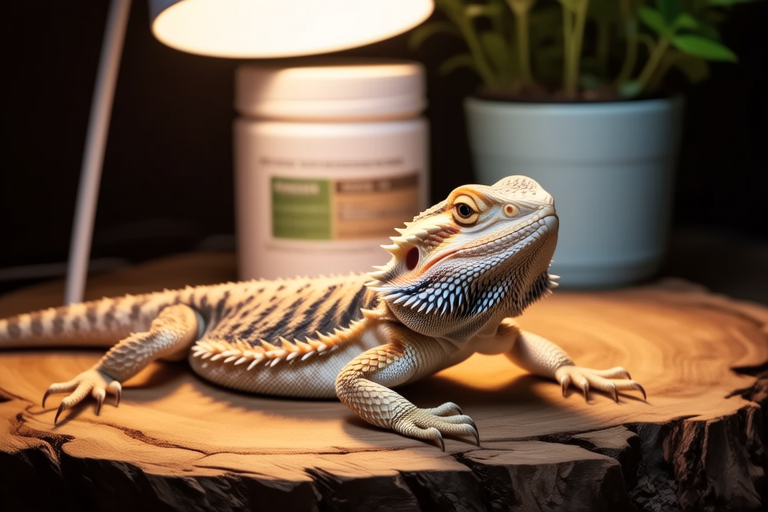
7 Secrets to Keeping Your Bearded Dragon Happy and Healthy
Welcome to the wonderful world of bearded dragons! These fascinating reptiles have become increasingly popular pets due to their docile nature, striking appearance, and relatively low maintenance compared to other exotic animals. However, ensuring your bearded dragon’s happiness and health requires careful attention to several key factors. In this article, we’ll explore seven secrets that will help you provide the best care for your scaly friend.
1. Diet: The Foundation of Health
The diet of your bearded dragon plays a crucial role in its overall health. A balanced diet consists of both plant matter and insects, mimicking what they would eat in the wild. For younger bearded dragons (under one year), protein-rich insects like crickets, dubia roaches, and mealworms should make up about 80% of their diet. As they age, increase the proportion of vegetables and fruits to around 80%, with insects comprising only 20%. It’s important to note that while insects are essential for protein, too many can lead to obesity and other health issues.
Insects should be gut-loaded before feeding them to your dragon; this means feeding the insects a nutritious diet themselves so that when eaten by your dragon, they provide more nutrients. Vegetables such as collard greens, mustard greens, dandelion greens, squash, and bell peppers are excellent choices. Fruits can be offered sparingly as treats, but avoid citrus fruits which can cause digestive problems.
Vitamin and mineral supplements are also necessary to ensure proper growth and development. Calcium powder should be sprinkled over food daily, while multivitamins should be given weekly. Always consult with a veterinarian specializing in reptiles to determine the appropriate amounts based on your dragon’s age and size.
2. Habitat Setup: Creating a Comfortable Home
A well-designed habitat is vital for your bearded dragon’s comfort and wellbeing. Start by choosing an appropriately sized enclosure – at least 40 gallons for juveniles and 75-100 gallons for adults. The tank should have secure ventilation to allow air circulation without drafts.
Substrate selection is another critical decision. Avoid fine substrates like sand or wood shavings, as these pose risks of impaction if ingested. Instead, opt for paper towels, reptile carpet, or tile flooring, which are safer alternatives. Add climbing branches and rocks for enrichment, ensuring they’re smooth enough to prevent injury.
Provide hiding spots using caves or hollow logs, allowing your dragon to retreat when feeling stressed or needing privacy. A shallow water dish should always be available for soaking and drinking.
3. Temperature Regulation: Maintaining Optimal Conditions
Temperature control is one of the most important aspects of caring for a bearded dragon. They require specific temperatures within their enclosure to thermoregulate effectively. Maintain a basking spot between 95°F and 110°F using a high-wattage ceramic heat emitter or specialized reptile bulb. Ensure there’s a cooler area on the opposite side of the tank, where temperatures range from 75°F to 85°F.
Use a reliable thermometer placed inside the tank to monitor these zones accurately. Infrared thermometers can be useful for quick checks without disturbing your pet. Additionally, nighttime temperatures can drop slightly but should never fall below 65°F.
4. Lighting Requirements: Supporting Growth and Metabolism
Proper lighting is essential for maintaining your bearded dragon’s physical and mental health. UVB light promotes vitamin D3 synthesis, aiding calcium absorption and preventing metabolic bone disease. Use a fluorescent tube or compact fluorescent bulb emitting 10.0 UVB output, positioned no further than 12 inches above the basking area.
Ensure the UVB light provides adequate coverage across the entire tank, especially considering how your dragon moves throughout the day. Replace bulbs every six months even if they appear functional, as UVB output diminishes over time.
In addition to UVB lighting, full-spectrum lights simulating natural daylight cycles are beneficial for mood regulation and overall vitality. Set timers to mimic sunrise and sunset, encouraging natural behaviors and promoting better sleep patterns.
5. Hydration Methods: Ensuring Proper Water Intake
Bearded dragons obtain most of their hydration through the foods they consume, particularly leafy greens. However, providing fresh water daily is still important. Place a shallow dish in the coolest part of the tank, changing it regularly to prevent bacterial growth.
Some dragons may benefit from occasional misting sessions, especially during shedding periods. Mist lightly once or twice daily, focusing on areas where skin might be sticking. This helps soften old skin and encourages easier removal.
Monitor your dragon closely for signs of dehydration, such as sunken eyes, lethargy, or darkening coloration. If you notice any concerning symptoms, consult a veterinarian immediately.
6. Handling Techniques: Building Trust and Bonding
Proper handling techniques are crucial for establishing trust and minimizing stress. Always wash your hands before interacting with your dragon to remove any potential contaminants.
Pick up your bearded dragon gently by supporting its body with both hands, avoiding squeezing or pinching. Allow it to climb onto your hand if it feels comfortable doing so. Never grab or pull at limbs, as this could result in injury.
Handle your dragon frequently but not excessively, giving it time to adjust and feel secure. Positive interactions during handling sessions can strengthen your bond and reduce fear responses.
7. Signs of a Healthy Bearded Dragon: Monitoring Vital Indicators
Regularly observing your bearded dragon allows you to catch potential issues early and maintain optimal health. Look out for the following indicators:
- Eating Habits: Consistent appetite indicates good health. Sudden changes in eating behavior warrant investigation.
- Activity Levels: Alertness and active movement suggest wellness. Lethargy or reluctance to move may signal illness.
- Skin Condition: Smooth, vibrant scales indicate healthy skin. Dry, flaky, or discolored patches could point towards underlying issues.
- Stool Quality: Normal droppings are firm and brownish-green. Loose stools or blood in feces necessitate veterinary attention.
- Behavioral Changes: Unusual aggression, excessive hiding, or vocalizations can indicate discomfort or distress.
- Eyes: Clear, bright eyes show good health. Cloudiness, discharge, or swelling require prompt medical evaluation.
- Mouth: Clean, pink gums and no signs of swelling or lesions around the mouth area are positive signs.
By paying close attention to these factors, you’ll be able to identify potential problems early and address them promptly.
In conclusion, keeping your bearded dragon happy and healthy involves attention to detail in multiple areas including diet, habitat setup, temperature regulation, lighting requirements, hydration methods, handling techniques, and monitoring for signs of good health. With dedication and knowledge, you can ensure your scaly companion enjoys a long, fulfilling life. Remember, every bearded dragon is unique, so tailor your approach based on individual needs and preferences.
