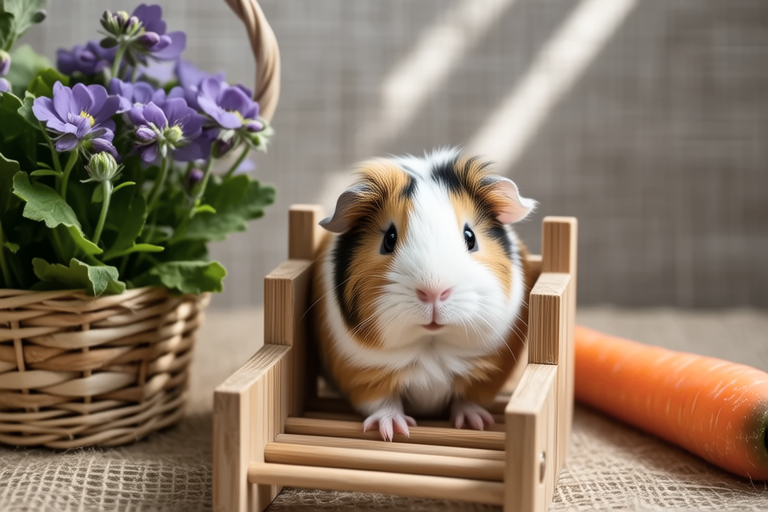
Guinea Pigs Galore: How to Set Up the Ultimate Habitat
Welcome to the wonderful world of guinea pigs! These delightful creatures bring joy and companionship into our lives. However, ensuring their health and happiness requires more than just love; it demands a well-prepared habitat that meets all their physical and psychological needs. This guide will walk you through setting up the ultimate habitat for your guinea pigs, providing them with a comfortable, enriching environment.
Choosing the Right Cage Size and Type
The first step in creating a perfect habitat is selecting the right cage. Guinea pigs need ample space to move around, play, and explore. Ideally, a single guinea pig should have at least 7.5 square feet of living space, while two guinea pigs require about 10.5 square feet. For multiple guinea pigs, add an additional 4 square feet per additional pig.
Cages come in various materials, including wire, plastic, and glass. Wire cages offer good ventilation but can be cold and drafty. Plastic or glass cages provide better insulation and are easier to clean. Ensure the cage has a solid bottom to prevent injuries from sharp edges or wires. The cage should also have a secure lid or door to keep your pets safe from predators and prevent escapes.
Essential Bedding Materials
Bedding is crucial for your guinea pig’s comfort and hygiene. Choose soft, absorbent bedding like paper-based products, wood shavings, or fleece liners. Avoid cedar and pine shavings, as they contain aromatic oils that can irritate your pet’s respiratory system.
Change the bedding regularly to maintain cleanliness and prevent odors. A deep layer of bedding (about 2 inches) provides a soft surface for your guinea pigs to rest and play. Consider adding soft blankets or towels for extra comfort, especially during colder months.
Appropriate Toys and Accessories
Toys and accessories stimulate mental and physical activity, keeping your guinea pigs entertained and healthy. Provide chew toys made from safe materials like untreated wood or cardboard to help wear down their continuously growing teeth. Balls, tunnels, and climbing structures encourage exercise and exploration.
Incorporate hideouts and resting areas where your guinea pigs can retreat when they feel overwhelmed or need some alone time. Cardboard boxes, igloos, and wooden houses make excellent hideouts. Ensure these items are large enough for your pets to fit comfortably inside.
Feeding Areas
A designated feeding area ensures proper nutrition and prevents messes. Use a sturdy bowl or feeder designed specifically for small animals. Place the feeder in a quiet corner of the cage away from litter areas to minimize contamination.
Ensure fresh water is always available by using a water bottle or bowl. Water bottles are less messy but can be challenging for some guinea pigs to use. Monitor the water level daily and clean the bottle regularly to prevent bacterial growth.
Hiding Spots
Hiding spots are essential for your guinea pigs’ psychological well-being. They provide a sense of security and reduce stress. Incorporate tunnels, igloos, or even simple cardboard boxes for your pets to explore and hide within. Rotate these items periodically to keep the environment interesting and engaging.
Maintaining Cleanliness
Regular cleaning is vital to maintain a healthy habitat. Spot-clean the cage daily, removing soiled bedding and uneaten food. Deep clean the entire cage once a week, replacing all bedding and thoroughly washing and disinfecting all accessories. Allow the cage to air dry before reintroducing your guinea pigs.
Use mild, pet-safe cleaners to avoid introducing harmful chemicals into your pet’s environment. Never use scented products, as strong odors can irritate your guinea pigs’ sensitive respiratory systems.
Temperature Control, Ventilation, and Safe Lighting
Guinea pigs thrive in environments with temperatures between 65°F and 75°F (18°C and 24°C). Avoid placing their cage near drafts, direct sunlight, or heat sources. Provide a warm blanket or towel during colder months to keep them cozy.
Proper ventilation is essential for preventing respiratory issues. Ensure the cage has adequate airflow without being too drafty. Avoid overcrowding the cage with too many accessories, which can obstruct air circulation.
Safe lighting is crucial for your guinea pigs’ health. Natural daylight is beneficial, but avoid direct sunlight, which can cause overheating. If necessary, use a low-wattage light bulb or night light to provide gentle illumination during nighttime hours.
Regular Habitat Checks and Adjustments
Regularly monitor your guinea pigs’ behavior and habitat to ensure everything remains optimal. Pay attention to signs of discomfort or distress, such as excessive scratching, changes in eating habits, or unusual noises. Adjust the habitat as needed to accommodate any changes in your pets’ needs.
As your guinea pigs grow and mature, their requirements may change. Regularly assess the cage size, bedding depth, and toy selection to ensure they continue to provide the best possible environment. Consult with a veterinarian or experienced guinea pig owner if you’re unsure about any aspect of your pets’ care.
Creating the ultimate habitat for your guinea pigs involves careful consideration and ongoing maintenance. By following these guidelines, you’ll provide a safe, stimulating, and enjoyable environment that promotes their health and happiness. Remember, a well-cared-for guinea pig is a happy guinea pig!
