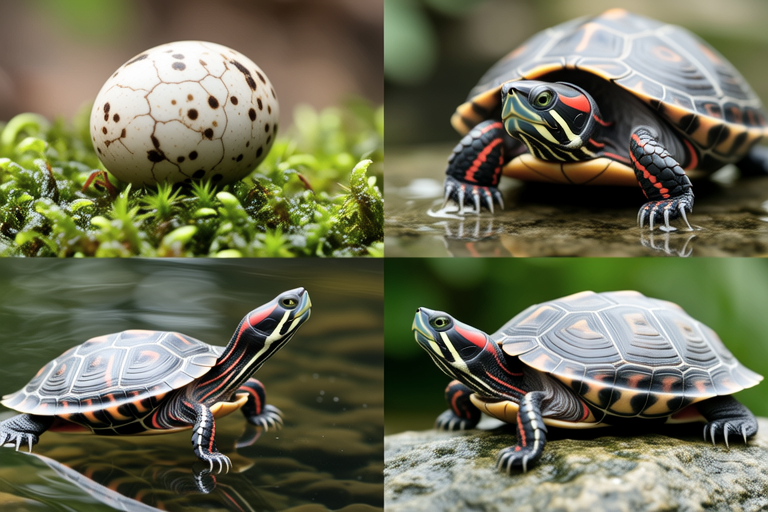
The Lifecycle of a Red-Eared Slider Turtle
The red-eared slider (Trachemys scripta elegans) is one of the most popular pet turtles worldwide due to its attractive appearance and relatively easy care. However, understanding the full lifecycle of this species—from egg to adult—reveals a fascinating journey that involves several critical stages, each with its own unique challenges and requirements. This comprehensive guide will take you through the various phases of a red-eared slider’s life, detailing everything from incubation to adulthood.
Incubation: The Beginning of Life
The lifecycle of a red-eared slider begins with the female laying eggs in late spring or early summer. These eggs are typically deposited in a shallow nest dug by the female near water bodies such as ponds, lakes, or slow-moving rivers. Each clutch can contain anywhere from 4 to 20 soft-shelled eggs, which are then covered over with soil and vegetation by the mother before she leaves.
Once buried, the eggs enter the incubation period, which lasts approximately 60 to 90 days depending on environmental conditions. During this time, temperature plays a crucial role in determining the sex of the hatchlings; warmer temperatures tend to produce more males while cooler temperatures result in females. Additionally, humidity levels must remain stable to prevent dehydration of the developing embryos.
Inside the egg, the embryo grows rapidly, developing vital organs and limbs. By the end of the incubation period, tiny claws emerge from the sides of the shell, indicating that hatching is imminent.
Hatching: Breaking Free into the World
When ready to hatch, the baby turtles begin using their egg tooth (caruncle), a temporary structure located on the tip of their snout, to break through the shell. This process, known as pipping, usually takes place over several hours. Once out of the egg, they quickly orient themselves towards water, where they instinctively seek refuge among aquatic plants or other hiding spots.
Newly hatched red-eared sliders measure around 1 inch (2.5 cm) long and weigh less than half an ounce. Their shells are soft and flexible compared to adults’, making them particularly vulnerable to predators like birds, fish, and larger amphibians. As such, immediate access to water is essential for survival during this delicate stage.
Juvenile Development: Growing Stronger and Faster
After hatching, young red-eared sliders spend much of their time basking in sunlight to warm up their cold-blooded bodies and digest food efficiently. They also develop strong swimming abilities quickly, enabling them to catch small prey items like insects, worms, and tadpoles.
During the first year of life, these juveniles grow rapidly, doubling in size every few months. Their diet shifts gradually from primarily carnivorous to include more plant matter as they mature. Juveniles require calcium-rich foods to support proper shell development, so feeding them appropriate supplements or providing access to natural sunlight becomes important.
A notable behavior observed among juvenile red-eared sliders is their tendency to congregate in groups when not actively hunting for food. This social interaction helps establish dominance hierarchies within populations but also serves as protection against potential threats.
Adolescence: Transitioning Toward Adulthood
By the age of three to five years, male red-eared sliders reach sexual maturity and start displaying courtship behaviors towards females. Males often engage in elaborate displays involving head bobbing, tail wagging, and gentle biting to attract mates.
During adolescence, both sexes continue growing but at slower rates compared to earlier stages. Females eventually surpass males in overall body length, reaching sizes upwards of 13 inches (33 cm). At this point, their diets become increasingly herbivorous, consisting mainly of aquatic plants, algae, and fallen fruits.
One challenge faced by adolescent red-eared sliders is competition for limited resources such as nesting sites and prime basking locations. Establishing territorial boundaries becomes crucial for ensuring adequate access to these necessities.
Adulthood: A Long and Fulfilling Life
Adult red-eared sliders typically live between 20 and 40 years in captivity, though some have been reported to exceed 50 years under optimal conditions. In the wild, lifespan may be shorter due to predation risks and environmental pressures.
As adults, these turtles maintain territories within their chosen aquatic habitats, returning regularly to preferred areas for feeding, mating, and resting. Their omnivorous diet remains consistent throughout adulthood, although there might be slight variations based on seasonal availability of certain food sources.
Adult red-eared sliders exhibit distinct behavioral patterns related to breeding season. Males actively pursue receptive females, initiating copulation in shallow waters. After successful mating, females prepare nests by digging holes in sandy banks along shorelines. Each clutch averages about 10-20 eggs, ensuring genetic diversity within populations.
Habitat Needs Across Stages
Throughout their lives, red-eared sliders require specific environmental conditions to thrive:
- Water Quality: Clean, well-oxygenated water free from pollutants is essential for maintaining health.
- Basking Sites: Accessible land areas near water allow turtles to regulate body temperature and dry off after swimming.
- Nesting Areas: Soft, sandy substrates provide suitable nesting grounds for egg-laying activities.
- Dietary Variety: Providing a balanced mix of protein-rich foods (for younger individuals) and leafy greens (for older ones) supports healthy growth and longevity.
Meeting these needs ensures that red-eared sliders can successfully navigate each phase of their lifecycle without undue stress or complications.
Challenges Faced During Different Life Stages
Each stage presents unique challenges for red-eared sliders:
- Eggs: Eggs are susceptible to predation by raccoons, skunks, and other scavengers.
- Hatchlings: Small size makes them easy targets for predators; they need quick access to water for safety.
- Juveniles: Rapid growth demands ample nutrition, and competition for resources can be fierce.
- Adolescents: Establishing territory and securing mates involve physical confrontations.
- Adults: Maintaining health amidst changing environments poses ongoing challenges.
Addressing these issues requires careful management of habitats and provision of necessary resources.
Conclusion
The lifecycle of a red-eared slider turtle spans decades, encompassing numerous developmental milestones and adaptations. From fragile eggs to robust adults, each stage brings new opportunities and obstacles. Understanding this intricate process not only enhances appreciation for these remarkable creatures but also underscores the importance of responsible stewardship in supporting their continued existence.
