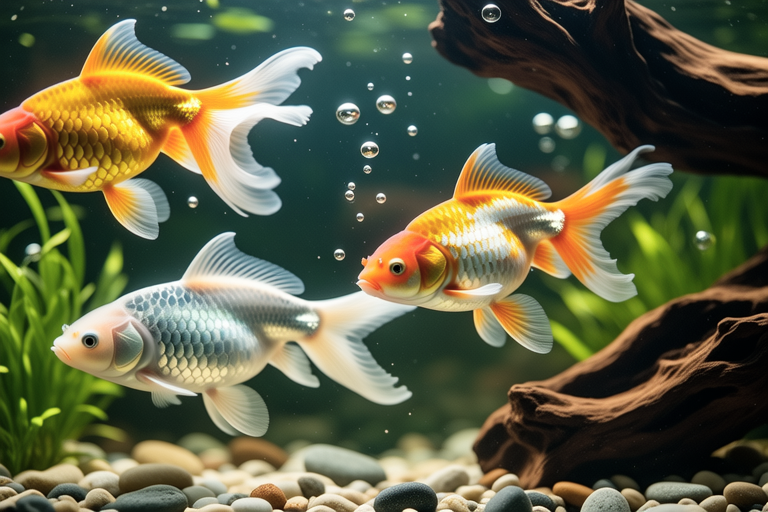
Goldfish Lifespan Hacks: Extend Their Lives Naturally
Goldfish are beloved pets for their vibrant colors and playful behavior, but many owners are surprised by their potential longevity. While goldfish can live up to 20 years under ideal conditions, their lifespan is often shortened due to improper care. This comprehensive guide will provide you with practical tips to extend your goldfish’s life naturally, ensuring they thrive in a healthy environment.
The Natural Lifespan of Goldfish
A goldfish’s natural lifespan ranges from 10 to 20 years, depending on the species and living conditions. Common reasons for shortened lifespans include poor water quality, inadequate diet, improper tank setup, and disease. By understanding these factors and implementing best practices, you can significantly increase your goldfish’s lifespan.
Maintaining Optimal Water Quality
Regular Water Changes
Water quality is crucial for goldfish health. Regular water changes help remove toxins and maintain stable water parameters. Aim to change 25% of the water weekly, using a gravel vacuum to clean the substrate. This process removes uneaten food, waste, and other debris that can degrade water quality.
Filtration System Recommendations
Selecting the right filtration system is essential. Choose one that provides mechanical, biological, and chemical filtration. Mechanical filtration traps large particles, biological filtration supports beneficial bacteria that break down ammonia, and chemical filtration absorbs dissolved organic compounds. Ensure the filter is appropriately sized for your tank; a general rule is to choose a filter rated for at least twice the volume of your tank.
Appropriate Feeding Practices
Balanced Nutrition
A balanced diet is vital for goldfish health. Offer a variety of foods, including high-quality flake or pellet food, supplemented with fresh vegetables like peas, zucchini, and spinach. Avoid overfeeding, as excess food can deteriorate water quality. Feed small portions twice daily, ensuring all food is consumed within a few minutes.
Portion Control
Overfeeding is a common mistake among goldfish owners. Excess food not only pollutes the water but also leads to obesity and digestive issues. Monitor your goldfish’s eating habits and adjust feeding amounts accordingly. If there is leftover food after a few minutes, reduce the next day’s serving.
Suitable Tank Size and Temperature Control
Tank Size
Adequate space is essential for goldfish, which are active swimmers. A minimum tank size of 20 gallons is recommended for a single goldfish, with an additional 10 gallons for each additional fish. Larger tanks provide more swimming space and dilute waste, making it easier to maintain water quality.
Temperature Control
Goldfish are coldwater fish, thriving in temperatures between 68°F and 74°F (20°C to 23°C). Avoid extreme temperature fluctuations, as they can stress the fish and lead to illness. Use a reliable aquarium heater and thermometer to monitor and maintain consistent water temperature.
Proper Tank Setup for Reducing Stress
Creating a stress-free environment is key to goldfish longevity. Incorporate plenty of hiding spots with plants, caves, and decorations. These spaces provide refuge and reduce stress levels. Ensure adequate lighting, but avoid excessive brightness that can cause stress. A 10-12 hour light cycle is ideal, mimicking natural day and night cycles.
Selecting Compatible Tank Mates and Avoiding Overcrowding
Choosing the right tank mates is important for maintaining harmony. Goldfish get along well with other peaceful fish, such as danios and platies, provided there is enough space. Avoid aggressive or fin-nipping species that may harm goldfish. Always consider the compatibility of new additions carefully.
Avoid overcrowding, as it increases competition for resources and space, leading to stress and potential aggression. Follow the rule of thumb: 20 gallons per inch of fish. For example, if your tank is 20 gallons, you can have two 10-inch goldfish or four 5-inch goldfish.
Regular Health Checks and Early Signs of Illness
Performing regular health checks can help catch potential problems early. Observe your goldfish daily for any unusual behavior, such as lethargy, loss of appetite, or abnormal swimming patterns. Check for visible signs of disease, like white spots, red patches, or bloating.
If you notice any concerning symptoms, act promptly. Isolate the affected fish in a quarantine tank and consult a veterinarian specializing in aquatic animals. Early intervention can prevent the spread of disease and improve recovery chances.
