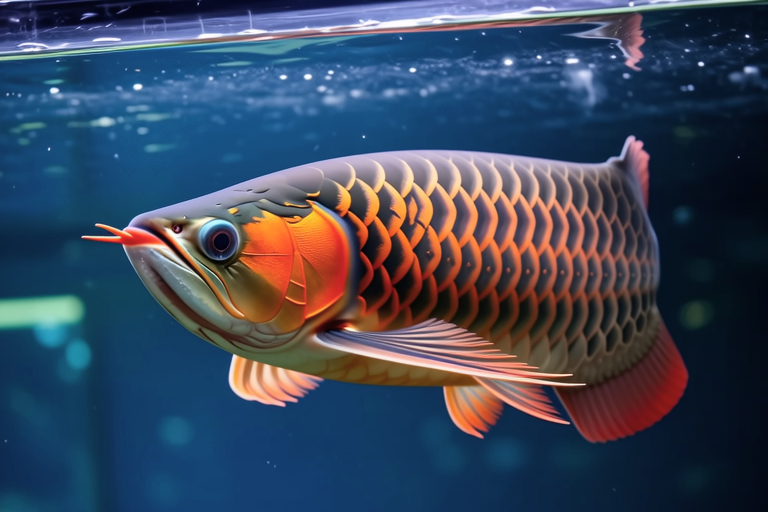
A Dive into Depth: Caring for Your Exotic Arowana Pet
Welcome to a comprehensive guide on how to care for your exotic arowana pet. This article will delve into the origins and characteristics of arowanas, optimal tank setup requirements, dietary needs, common health issues, and tips for maintaining a healthy environment. Whether you’re a novice or an experienced aquarist, this guide will provide you with all the necessary information to ensure your arowana thrives in its new home.
Origins and Characteristics of Arowanas
Arowanas belong to the Osteoglossidae family and are found primarily in the rivers and swamps of South America, Africa, and parts of Asia. Known for their elongated bodies, sleek scales, and ability to leap out of water, these fish have captivated aquarium enthusiasts for decades. The silver arowana, specifically, is highly sought after due to its striking appearance and fascinating behaviors.
One of the most notable features of arowanas is their ability to breathe air through their swim bladder, which acts as a lung. This adaptation allows them to survive in low-oxygen environments, a trait that has been crucial for their survival in their native habitats. Arowanas are also known for their strong jaws and sharp teeth, which they use to catch prey above and below the water’s surface.
Optimal Tank Setup Requirements
Setting up an appropriate tank for your arowana is crucial for its well-being. Arowanas are large fish that require ample space to thrive, so it’s essential to provide a tank that meets their size and swimming requirements. An adult arowana can grow up to 3 feet in length, necessitating a minimum tank size of 240 gallons. The tank should be long and wide rather than tall, allowing the fish ample room to swim horizontally.
Water conditions must be closely monitored and maintained. Arowanas prefer soft, slightly acidic water with a pH between 6.0 and 7.0. The temperature should be kept between 78 and 82 degrees Fahrenheit. Filtration is vital for maintaining water quality, and a powerful external filter is recommended to handle the high bioload of these large fish. Additionally, regular water changes (about 10-20% weekly) are necessary to keep the water clean and free from toxins.
Decorating the tank thoughtfully is important for creating a stimulating environment. Provide plenty of open swimming space, but include some hiding spots and plants to mimic their natural habitat. Floating plants are particularly beneficial as they help to reduce light penetration, creating a more natural setting. Ensure any decorations are secure and safe, avoiding sharp edges that could injure your fish.
Dietary Needs
Arowanas are carnivorous and require a varied diet to maintain their health. In the wild, they feed on insects, small fish, crustaceans, and other aquatic organisms. In captivity, it’s essential to replicate this diet as closely as possible. High-quality pellets designed for carnivorous fish can form the base of their diet, supplemented with live or frozen foods such as bloodworms, brine shrimp, and krill.
Feeding frequency should be adjusted based on the fish’s age and size. Younger arowanas may require feeding twice daily, while adults can be fed once a day. Overfeeding should be avoided to prevent water quality issues and obesity. It’s also important to note that arowanas have a tendency to leap out of the water when excited or hunting, so feeding sessions should be conducted carefully to minimize the risk of injury.
Common Health Issues
Like all pets, arowanas are susceptible to various health issues. One of the most common problems is fin rot, which is often caused by poor water quality or physical injuries. Regular water maintenance and gentle handling can help prevent this condition. Another issue is ich, a parasitic infection that appears as white spots on the fish’s body. Prompt treatment with aquarium-safe medications is necessary to address ich.
Respiratory infections can also occur if the water quality is not maintained properly. Signs of respiratory distress include labored breathing and increased time spent at the water’s surface. Ensuring proper oxygenation and filtration can help prevent these issues. Regular observation of your fish’s behavior and physical condition is key to early detection and treatment of health problems.
Tips for Maintaining a Healthy Environment
Maintaining a healthy environment for your arowana requires consistent effort and attention. Here are some practical tips to ensure your fish remains healthy and happy:
- Regular Water Testing: Test the water regularly for pH, ammonia, nitrite, and nitrate levels. Adjustments can be made as needed to maintain optimal conditions.
- Proper Filtration: Invest in a robust filtration system capable of handling the high bioload of arowanas. Consider adding a biological filter to promote beneficial bacteria growth.
- Safe Handling: When moving or feeding your arowana, always handle them gently to avoid stress or injury. Use a net designed for large fish to minimize harm.
- Behavioral Enrichment: Provide toys or floating objects to stimulate your arowana’s natural hunting instincts. This can help reduce stress and improve overall well-being.
- Monitoring Behavior: Keep a close eye on your arowana’s behavior for signs of stress or illness. Early intervention can make a significant difference in recovery.
Insightful Observations About Their Behavior and Habitat Preferences
Arowanas are social creatures that exhibit intriguing behaviors. They are known for their jumping abilities, which they use to catch flying insects and small birds. In the aquarium, this behavior can be both entertaining and concerning, as it increases the risk of injury. To mitigate this, ensure the tank is securely covered to prevent accidents.
These fish are also territorial and can become aggressive towards other species, especially those similar in size or shape. It’s best to house arowanas singly or with compatible species that can defend themselves. Understanding and respecting their territorial nature can help prevent conflicts within the tank.
Arowanas are diurnal, meaning they are most active during the day. Providing a consistent lighting schedule can help regulate their circadian rhythms and promote healthy behaviors. Additionally, arowanas enjoy interacting with their environment, so offering enrichment activities can enhance their quality of life.
In conclusion, caring for an arowana requires dedication and a deep understanding of their unique needs. By providing an appropriate tank setup, a balanced diet, and a nurturing environment, you can ensure your arowana thrives and brings joy to your aquarium. Remember, the key to successful arowana care lies in attention to detail and a commitment to maintaining optimal living conditions.
