From Alaska to Your Home: The Ultimate Siberian Husky Care Manual
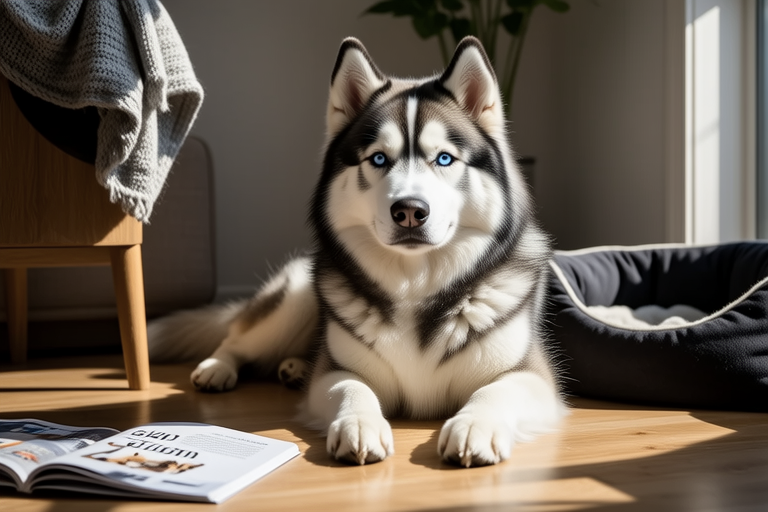
Siberian Huskies, known for their striking blue or multi-colored eyes and thick coats, have been captivating pet lovers for decades. These dogs originated from the Chukotka Peninsula in eastern Siberia, where they were bred by the Chukchi people. Originally used as sled dogs, they were prized for their endurance and resilience in the harshest of climates. Their ability to thrive in cold, unforgiving environments has made them a symbol of strength and determination.
Origins and History
The history of Siberian Huskies is deeply intertwined with their role as working dogs. In the early 20th century, they were brought to Alaska to participate in the All-Alaskan Sweepstakes, a long-distance sled dog race. Their success in this event helped popularize the breed, and they soon became beloved companions. Today, while still valued for their pulling power, many Siberian Huskies are cherished as family pets, bringing joy and loyalty to households around the world.
Key Characteristics
Appearance
Siberian Huskies possess a distinctive appearance that sets them apart from other breeds. They have a thick double coat that provides insulation against the cold, with a soft undercoat and a coarser outer layer. Their fur can come in a variety of colors, including black, white, gray, and red. One of their most notable features is their piercing blue or multi-colored eyes, which add to their exotic appeal.
Temperament
Despite their wild origins, Siberian Huskies are generally friendly and outgoing. They are known for their gentle nature and love for human interaction. However, due to their strong prey drive, they may not always get along with small animals. Socialization from an early age is crucial to ensure they grow up to be well-adjusted pets.
Energy Levels
Huskies are incredibly energetic and require plenty of physical activity to stay healthy and happy. Their natural inclination to run and explore means that regular exercise is essential. Without adequate outlets for their energy, they might become destructive or restless.
Diet and Nutrition
Proper nutrition is vital for maintaining the health and vitality of your Siberian Husky. A balanced diet rich in proteins, fats, and carbohydrates will help support their high-energy lifestyle. High-quality dog food designed for large breeds is recommended. It’s important to consult with a veterinarian to determine the appropriate portion sizes based on your dog’s age, weight, and activity level.
In addition to a nutritious diet, certain dietary supplements can enhance your Husky’s overall health. Omega-3 fatty acids, found in fish oil, are beneficial for skin and coat health. Joint supplements like glucosamine and chondroitin can also be helpful, especially as your dog ages.
Grooming Practices
Due to their thick coats, Siberian Huskies require regular grooming to keep their fur healthy and prevent matting. Brushing them at least once a week is recommended, increasing to daily sessions during shedding seasons. Bathing should be done sparingly, as frequent washing can strip the natural oils from their skin. Instead, focus on spot cleaning and routine brushing.
Exercise Routines
Given their high energy levels, Siberian Huskies need ample opportunities to expend their energy. Daily walks and runs are essential, but more intense activities like hiking, running, or playing fetch can also be beneficial. Agility courses and obedience training provide mental stimulation, helping to keep your Husky engaged and focused.
Training Methods
Training a Siberian Husky requires patience and consistency. Positive reinforcement techniques, such as treats and praise, work best. Early socialization and obedience training are crucial to ensure your Husky grows up to be a well-behaved member of the family. Consistent training sessions can help curb any unwanted behaviors, such as chewing or barking.
Health Issues and Preventive Care
Like all breeds, Siberian Huskies are prone to certain health issues. Common conditions include hip dysplasia, progressive retinal atrophy (PRA), and hypothyroidism. Regular veterinary check-ups and genetic testing can help identify potential problems early. Vaccinations, flea and tick prevention, and dental care are also important aspects of preventive care.
Socializing with Other Pets and Humans
Early socialization is key to ensuring your Siberian Husky gets along well with other pets and humans. Introduce them to various environments and situations from a young age. This helps them become comfortable and confident in different settings. Proper introductions to other animals are essential, especially with smaller pets, to avoid conflicts.
Creating a Stimulating Environment at Home
To keep your Siberian Husky happy and well-adjusted, it’s important to create a stimulating environment at home. Provide them with toys that encourage play and exploration. Puzzle feeders and interactive toys can help satisfy their natural instincts. Additionally, ensure they have access to a secure outdoor space where they can run and play safely.
Ultimately, owning a Siberian Husky is a rewarding experience. With proper care, attention, and love, these magnificent creatures will bring endless joy and companionship to your life. Whether you’re a first-time owner or an experienced dog lover, understanding and meeting their unique needs will ensure a harmonious relationship between you and your loyal companion.
