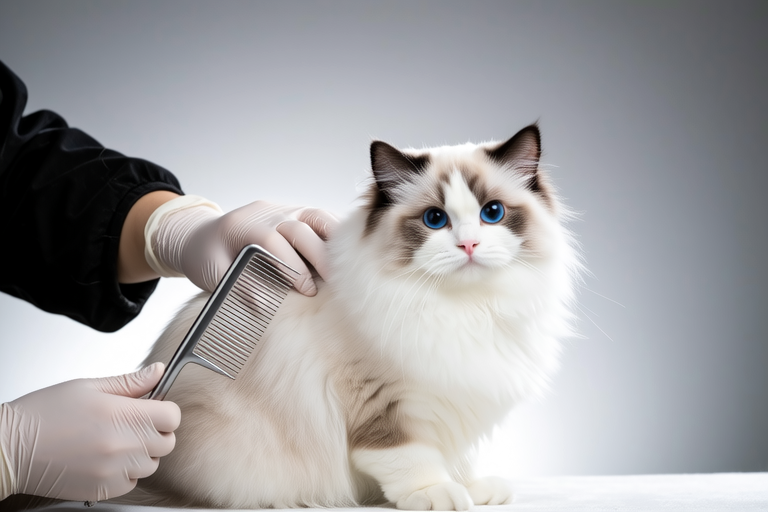
How to Groom Your Persian Cat Like a Pro in 5 Easy Steps
Persian cats are renowned for their luxurious, long coats that require special attention to maintain their beauty and your pet’s health. Proper grooming is essential for these felines, as it helps manage their thick fur, prevent matting, and ensure hygiene. This comprehensive guide will walk you through five easy steps to groom your Persian cat like a pro, providing expert tips for both novice and experienced cat owners.
Step 1: Gather Necessary Tools
Before you start grooming your Persian cat, it’s crucial to have the right tools. Here’s what you’ll need:
- Deshedding comb or brush: A high-quality deshedding tool designed for long-haired cats is essential for removing loose hair and preventing matting.
- Flea comb: Use this fine-toothed comb to check for fleas and remove them if present.
- Wide-toothed comb: Useful for detangling knots without causing discomfort.
- Soft-bristle brush: For daily brushing, this brush helps distribute natural oils throughout the coat.
- Cat-specific shampoo: Choose a mild, pH-balanced shampoo formulated for cats.
- Towel: Have a soft towel ready for drying after baths.
- Cat nail clippers: To trim nails safely and avoid overgrowth.
- Toothbrush and toothpaste: Dental hygiene is important for overall health.
Investing in quality tools ensures easier and more effective grooming sessions. It’s also wise to keep these items in a dedicated grooming kit for convenience.
Step 2: Establish a Routine and Create a Comfortable Environment
Consistency is key when grooming your Persian cat. Aim to groom them at least once every two days to maintain their coat’s condition. Cats are creatures of habit, so establish a routine that works for both you and your pet. Choose a quiet time when your cat is calm and relaxed, such as early morning or late evening.
Create a comfortable grooming space by using a stable table or a large blanket on the floor. Place familiar toys or treats nearby to make the experience more enjoyable. Soft lighting can help reduce stress, while playing soothing music can further relax your cat. Remember, patience and gentle handling are vital during these sessions.
Step 3: Brushing and Detangling
The heart of Persian cat grooming lies in proper brushing. Start by gently massaging your cat’s skin with your fingertips to relax them. Then, use a wide-toothed comb to work through the coat from head to tail, starting at the base and working towards the tip. This method prevents pulling and reduces the risk of matting.
If you encounter tangles, carefully separate them using your fingers before attempting to brush. Avoid pulling on knots, as this can cause pain and distress. For tougher tangles, you might need to use a deshedding comb or a slicker brush, but be extra cautious to avoid hurting your cat. Regular brushing not only keeps the coat smooth but also stimulates blood circulation and removes dead hair, reducing shedding around your home.
Pay special attention to areas prone to matting, such as behind the ears, under the chin, and the back legs. These areas often accumulate excess hair and can easily become matted if not regularly maintained. If you find mats that are difficult to remove, consult a professional groomer who can safely address the issue without causing injury.
Step 4: Bathing and Hygiene Maintenance
Bathing your Persian cat is necessary, but it should be done sparingly, typically every six to eight weeks, depending on the cat’s activity level and coat condition. Before bathing, ensure your cat is calm and relaxed. Fill a sink or a small tub with warm water (not hot) and add a small amount of cat-specific shampoo. Gently wet your cat’s coat, avoiding the eyes, ears, and nose. Apply the shampoo and massage it into the coat, ensuring thorough coverage.
Rinse thoroughly with warm water, making sure no soap residue remains. Once rinsed, use a soft towel to gently pat your cat dry. You may also use a blow dryer set to a low heat setting, keeping it at a safe distance to avoid burning your cat’s sensitive skin. Always supervise your cat during the drying process to ensure they remain comfortable.
After bathing, inspect your cat’s ears for any signs of wax buildup or infection. Clean the outer ear with a cotton ball dipped in a veterinarian-approved ear cleaner. Do not insert anything into the ear canal. Similarly, examine your cat’s teeth and gums for any signs of tartar buildup or gum disease. Regular dental care can prevent serious health issues down the line.
