Top 10 Myths About Leopard Geckos Debunked—What Every Pet Owner Should Know
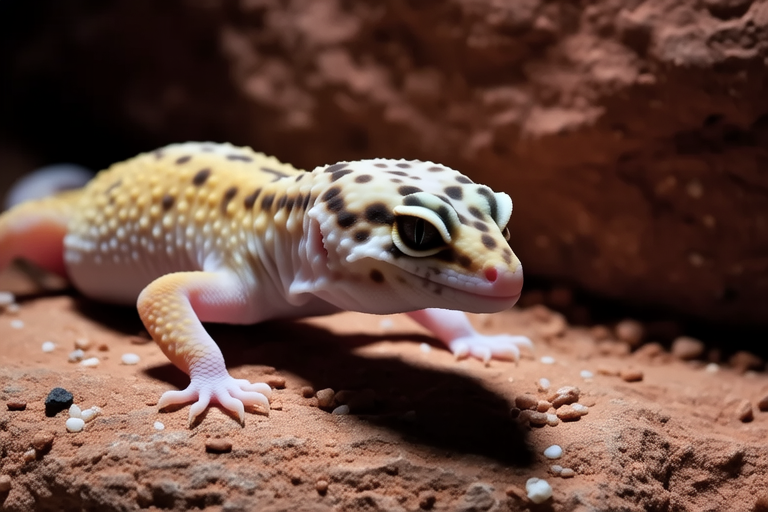
Leopard geckos have gained immense popularity among pet enthusiasts due to their docile nature, vibrant colors, and relatively low maintenance requirements. These nocturnal reptiles, native to the arid regions of Asia, have become a favorite among both novice and experienced reptile owners. Their unique ability to shed their tails, known as caudal autotomy, and their ability to store fat in their tails make them intriguing subjects for many. With their gentle demeanor and ease of handling, leopard geckos are often considered ideal pets for children and first-time reptile owners.
Myth 1: Leopard Geckos Can Eat Anything
Myth: Many believe that leopard geckos can eat any type of food. While it’s true that they are omnivorous, feeding them inappropriate foods can lead to serious health issues. In reality, their diet should consist primarily of insects like crickets and mealworms, which are rich in protein. It’s crucial to gut-load these insects with nutritious food before feeding them to the gecko. Additionally, occasional supplementation with fruits or vegetables is acceptable but should be done sparingly.
Feeding them high-fat foods or inappropriate items like avocado or chocolate can cause digestive problems and even death. Proper nutrition is essential for maintaining their health and longevity.
Myth 2: Leopard Geckos Don’t Need UVB Lighting
Myth: Some people assume that since leopard geckos are nocturnal, they don’t require UVB lighting. However, while they are active at night, they still benefit from some exposure to UVB light, which aids in calcium absorption and prevents metabolic bone disease (MBD). Providing a low-level UVB light during the day can help ensure that your gecko maintains healthy bones and overall well-being.
It’s important to note that excessive UVB exposure can be harmful, so using a low-output UVB bulb and ensuring it’s placed at an appropriate distance from the gecko is recommended.
Myth 3: Leopard Geckos Don’t Need Humidity
Myth: Another misconception is that leopard geckos thrive in dry environments and therefore don’t need humidity. While they do prefer drier conditions compared to other reptiles, maintaining a certain level of humidity is crucial, especially during shedding periods. A humidity range of 40-60% helps prevent skin infections and facilitates proper shedding.
To achieve this, you can use a humid hide filled with moist substrate or mist the enclosure occasionally. Monitoring humidity levels with a hygrometer is essential for maintaining optimal conditions.
Myth 4: Leopard Geckos Don’t Need Heat
Myth: Contrary to the belief that leopard geckos can survive without heat, they do require a temperature gradient within their habitat. This allows them to thermoregulate, moving between warmer and cooler areas as needed. The ambient temperature should be maintained around 78-80°F, with a basking spot reaching up to 90°F. Without adequate heating, geckos may become lethargic and suffer from poor digestion and immune function.
Using a reliable thermostat to control heating elements ensures consistent temperatures and prevents overheating or underheating.
Myth 5: Leopard Geckos Shed Perfectly Every Time
Myth: Some owners expect leopard geckos to shed perfectly every time without any assistance. While most geckos will shed successfully on their own, sometimes they may experience difficulty, particularly if humidity levels are too low or if their environment is not conducive to shedding. Retained shed, especially around the toes, can lead to constriction and loss of digits.
Providing a humid hide and ensuring proper humidity levels can aid in successful shedding. If you notice retained shed, gently remove it with warm water and soft tweezers, being careful not to damage the skin.
Myth 6: Leopard Geckos Are Nocturnal and Don’t Need Sleep
Myth: Although leopard geckos are primarily nocturnal, they do require periods of rest and sleep. Just like humans, they need downtime to recover and maintain their health. Ensuring a consistent day-night cycle helps regulate their biological rhythms and promotes better overall health.
Maintaining a 12-hour light cycle with a red or blue bulb for night viewing is advisable, as it provides enough light for observation without disrupting their sleep patterns.
Myth 7: Leopard Geckos Don’t Need Water
Myth: Some believe that because leopard geckos absorb moisture from their prey, they don’t need access to water. However, providing fresh water daily is essential for their hydration and overall health. A shallow dish of clean water should always be available, and it should be checked and refreshed regularly to prevent contamination.
Ensuring your gecko has access to clean water also helps maintain proper hydration, especially during shedding or after exercise.
Myth 8: Leopard Geckos Can Live in Small Enclosures
Myth: While leopard geckos are relatively small, they still need adequate space to move around and explore. Housing them in enclosures that are too small can lead to stress, obesity, and behavioral issues. A general rule of thumb is to provide at least 10 gallons of space per adult gecko, with more room for multiple geckos.
Adequate space allows for the creation of different temperature zones, hiding spots, and climbing opportunities, all of which contribute to a healthier and happier pet.
Myth 9: Leopard Geckos Don’t Need Substrate
Myth: Some owners mistakenly think that substrate is unnecessary or potentially harmful. While loose substrates like sand or wood shavings can pose risks of impaction if ingested, there are safer alternatives available. Reptile carpet, paper towels, and specially designed gecko-safe substrates provide a safe and comfortable environment for your pet.
Choosing the right substrate based on your gecko’s specific needs and behavior is crucial for preventing health issues.
Myth 10: Leopard Geckos Don’t Communicate
Myth: Despite their quiet nature, leopard geckos do communicate through body language and vocalizations. They may hiss when threatened, which is a defensive mechanism, and they can also make clicking sounds during courtship. Understanding these behaviors can help you gauge your gecko’s mood and well-being.
Observing your gecko’s interactions and responses can enhance your bond and provide insights into its health and happiness.
Tips for Optimal Care
For new and existing leopard gecko owners, here are some tips to ensure your pet thrives:
- Provide a spacious, well-ventilated enclosure with appropriate temperature gradients.
- Offer a varied diet of gut-loaded insects and occasional fruits or vegetables.
- Maintain proper humidity levels and provide a humid hide for shedding.
- Ensure access to fresh water daily.
- Use UVB lighting to support calcium absorption and overall health.
- Monitor your gecko’s behavior and health regularly, and consult a veterinarian if you notice any signs of illness.
By understanding and addressing these common misconceptions, you can provide the best possible care for your leopard gecko, ensuring it leads a long and healthy life.
