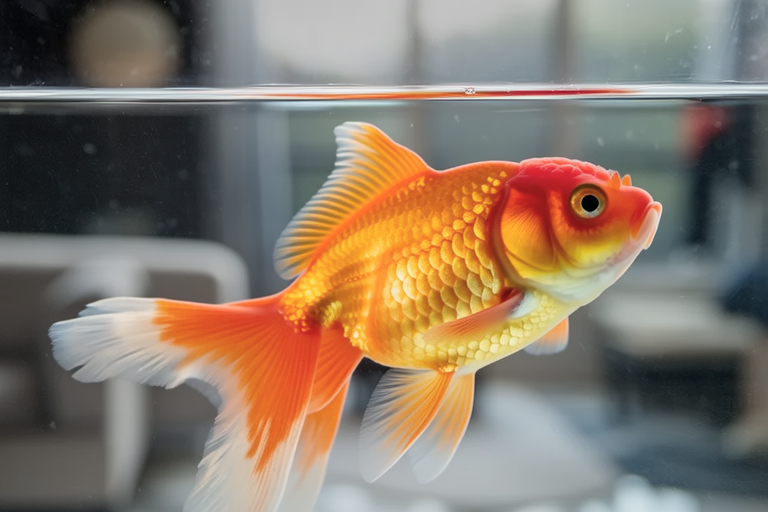
Top 10 Myths About Goldfish Busted!
Welcome to the world of goldfish! These vibrant, friendly fish have been cherished as pets for centuries. However, many misconceptions surround their care and biology. Understanding these myths and the truths behind them is crucial for providing your goldfish with the best possible environment and ensuring their health and longevity. This article aims to debunk ten common myths about goldfish, offering you scientific insights and practical advice for better goldfish care.
Myth 1: Goldfish Can Survive in Small Bowls
The Myth: It’s often believed that goldfish can thrive in small bowls or tanks without proper filtration or oxygenation.
Busting the Myth: Goldfish require ample space to swim and grow. A small bowl limits their movement and restricts their ability to breathe properly. In larger tanks, goldfish can spread out, reducing stress and promoting healthier growth. Always opt for a tank at least 20 gallons in size for a single goldfish, and increase the size for multiple fish.
Myth 2: Goldfish Have Only Three Seconds of Memory
The Myth: The popular belief is that goldfish have a short memory span, barely lasting three seconds.
Busting the Myth: Research has shown that goldfish can remember things for months, not just a few seconds. They can recognize their owners, learn from past experiences, and even solve simple problems. Providing a stimulating environment with toys and regular feeding times can enhance their cognitive abilities.
Myth 3: Goldfish Are Colorblind
The Myth: Some people think goldfish cannot distinguish colors.
Busting the Myth: Goldfish are capable of seeing colors, including red, green, and blue. Their color perception helps them navigate their environment and identify potential mates. Adding colorful plants and decorations to their tank can stimulate their visual senses and make their living space more engaging.
Myth 4: Goldfish Don’t Need a Filter
The Myth: There’s a misconception that goldfish don’t need water filtration.
Busting the Myth: Goldfish produce waste, which can lead to ammonia buildup in the water if not filtered out. Ammonia is toxic and can harm or kill your fish. A good filter system is essential to maintaining clean, healthy water. Regular maintenance of the filter is also important for its optimal functioning.
Myth 5: Goldfish Don’t Need Heaters
The Myth: Many believe goldfish can tolerate temperature fluctuations without any issues.
Busting the Myth: While goldfish are somewhat adaptable, they still prefer stable water temperatures between 68°F and 74°F (20°C to 23°C). Sudden changes can stress them, leading to health issues. Using a heater can help maintain consistent temperatures, especially in areas with significant seasonal temperature changes.
Myth 6: Goldfish Only Eat Flakes
The Myth: It’s commonly thought that goldfish should only be fed flake food.
Busting the Myth: A varied diet is key to a goldfish’s health. While flakes can be part of their diet, they should also consume pellets, freeze-dried foods, and fresh vegetables like zucchini and peas. This variety provides essential nutrients and keeps them interested in eating, preventing boredom and overeating.
Myth 7: Goldfish Live for Only a Few Years
The Myth: There’s a widespread belief that goldfish have a short lifespan.
Busting the Myth: With proper care, goldfish can live up to 20 years or more. Factors affecting their lifespan include water quality, diet, and tank conditions. Ensuring these elements are optimized can significantly extend their lives.
Myth 8: Goldfish Need Salt in Their Water
The Myth: Some recommend adding salt to goldfish tanks to prevent diseases.
Busting the Myth: While salt can be beneficial in treating certain conditions, it is not necessary for everyday maintenance. Overuse of salt can disrupt the osmotic balance of the fish, causing more harm than good. Consult a veterinarian before adding any additives to the tank.
Myth 9: Goldfish Are Easy to Breed
The Myth: Many assume breeding goldfish is straightforward.
Busting the Myth: Breeding goldfish requires specific conditions, including appropriate water parameters, ample space, and a balanced diet. Not all goldfish will breed, and those that do may face challenges. Understanding the breeding process and providing the right environment is crucial for successful reproduction.
Myth 10: Goldfish Will Grow to Fit Their Tank
The Myth: It’s widely believed that goldfish will adjust their size to match the size of their tank.
Busting the Myth: Goldfish can grow quite large, up to 12 inches (30 cm) in length. Restricting their growth by keeping them in small tanks can lead to stunted development and health issues. Providing a spacious tank allows them to reach their full potential size and ensures their overall well-being.
Tips for New Goldfish Owners
Caring for goldfish involves more than just providing food and water. Here are some essential tips for new owners:
- Choose a suitable tank size based on the number of fish.
- Invest in a high-quality filter and heater.
- Provide a varied diet and feed them twice daily.
- Perform regular water changes and maintain optimal water quality.
- Monitor their behavior and appearance for signs of illness.
- Research and understand the specific needs of your goldfish breed.
Further Reading
To deepen your knowledge about goldfish care, consider exploring books and articles on aquatic life. Local aquarium clubs and online forums dedicated to fishkeeping are also valuable resources where you can connect with experienced hobbyists and ask questions.
