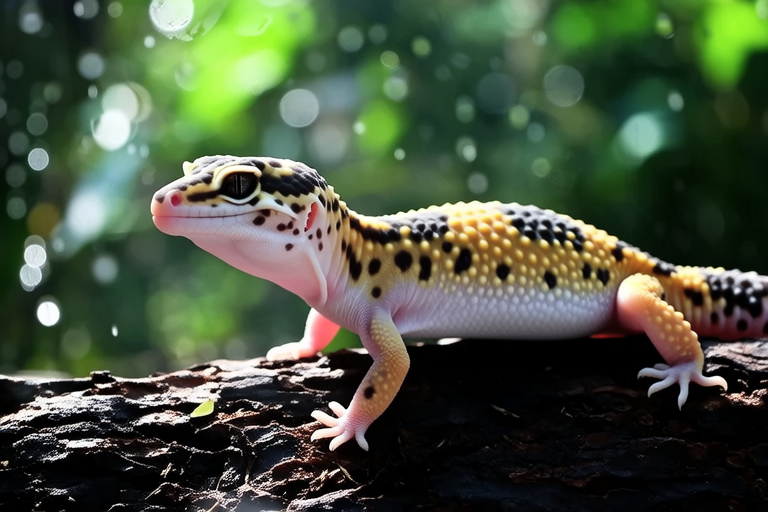
Surprising Myths Debunked: The Truth About Keeping Chameleons
Chameleons are fascinating creatures, often shrouded in mystery and misconception. From their ability to change color to their solitary nature, these myths can lead to improper care and even harm. This article aims to dispel some of the most common myths surrounding chameleon care and behavior, offering scientific insights and expert advice to ensure your pet thrives.
Myth 1: Chameleons Change Color to Match Their Surroundings
One of the most enduring myths about chameleons is that they change color to match their surroundings. While it’s true that chameleons can alter their skin pigmentation, this isn’t primarily for camouflage. According to Dr. David Orenstein, a herpetologist at the University of California, chameleons change color for communication, temperature regulation, and mood expression. Their ability to display vibrant hues is a testament to their complex physiological processes.
Myth 2: Chameleons Can Survive on Just One Type of Food
Another widespread myth is that chameleons can thrive on a single type of food. In reality, a balanced diet is crucial for their health. Chameleons are insectivores and require a variety of insects, including crickets, mealworms, and waxworms, to meet their nutritional needs. Additionally, gut-loading these insects with nutritious foods before feeding them to your chameleon ensures they receive essential vitamins and minerals. It’s recommended to consult a veterinarian specializing in reptiles for dietary guidance.
Myth 3: Chameleons Don’t Need UVB Lighting
Some believe that chameleons can survive without UVB lighting, but this is far from the truth. UVB light is vital for chameleons as it aids in the synthesis of vitamin D3, which is necessary for calcium absorption. Without adequate UVB exposure, chameleons can develop metabolic bone disease, leading to severe health issues. Experts recommend providing a full-spectrum UVB light source, ensuring it covers the entire enclosure, and replacing the bulbs every six months.
Myth 4: Chameleons Are Low-Maintenance Pets
The idea that chameleons are low-maintenance pets is a significant misconception. Proper care requires attention to detail and commitment. Creating an optimal habitat involves setting up a spacious vivarium with appropriate plants, temperature gradients, and humidity levels. Regular cleaning, monitoring water quality, and maintaining hygiene are essential to prevent illnesses. Investing time and effort into understanding their specific needs will ensure your chameleon remains healthy and happy.
Tips for Proper Chameleon Care
Habitat Setup
Creating a suitable habitat is fundamental for your chameleon’s well-being. A well-designed vivarium should mimic their natural environment, providing ample space for climbing and hiding. Use branches, vines, and live plants to create a three-dimensional space that encourages natural behaviors. Ensure the enclosure has good ventilation and maintains the right temperature gradient, typically ranging from 75°F to 95°F (24°C to 35°C) with a basking spot reaching 95°F to 100°F (35°C to 38°C).
Diet
A varied diet is key to keeping your chameleon healthy. Offer a mix of insects daily, dusted with a calcium and vitamin D3 supplement. Gut-load these insects with fresh vegetables and fruits to enhance their nutritional value. Avoid overfeeding and provide clean water in a shallow dish or mist the leaves regularly to encourage drinking. Consult a veterinarian for specific dietary recommendations based on your chameleon’s age and species.
Health Maintenance
Regular veterinary check-ups are essential for early detection of potential health issues. Monitor your chameleon’s appetite, activity level, and appearance for any signs of illness. Common problems include metabolic bone disease, respiratory infections, and parasites. Early intervention can prevent serious complications. Additionally, quarantine new additions to the enclosure to avoid introducing pathogens.
Advice on Responsible Pet Ownership
Owning a chameleon is a rewarding experience, but it comes with responsibilities. Educate yourself thoroughly before committing to this pet. Research extensively, join local reptile clubs, and connect with experienced owners for support. Always purchase from reputable breeders who prioritize animal welfare. Be prepared for the long-term commitment, as chameleons can live up to 10 years with proper care. Consider adopting from shelters if possible, giving a second chance to those in need.
Resources for Further Learning
To deepen your knowledge, explore books, articles, and online forums dedicated to chameleon care. Websites like Reptile Magazine and The Chameleon News offer valuable information and community support. Attend workshops and seminars hosted by experts to gain hands-on experience and insights. Engaging with fellow enthusiasts will enrich your understanding and enhance your pet’s life.
In conclusion, while chameleons may be mysterious creatures, they are not beyond our understanding. By debunking common myths and embracing scientifically-backed practices, we can provide optimal care for these captivating animals. Embrace the responsibility of pet ownership with enthusiasm and dedication, and together, we can ensure chameleons enjoy long, healthy lives in captivity.
