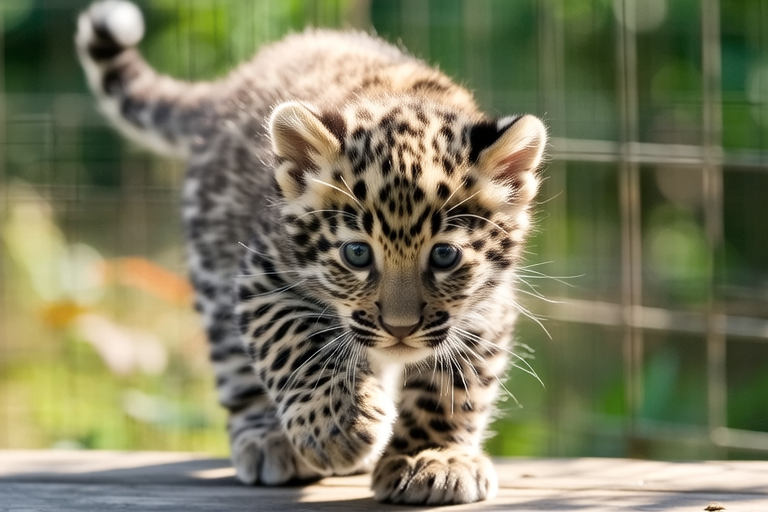
The Ultimate Guide to Living with Your Own Mini Leopard
Understanding Mini Leopard Behavior
Mini leopards, also known as dwarf leopards or leopard cats, are fascinating creatures with unique behaviors. They are solitary by nature, preferring to hunt alone and stake out their own territories. Their natural instincts drive them to be territorial and somewhat aggressive towards other animals. Understanding these behaviors is crucial for ensuring both your safety and the well-being of your mini leopard.
Mini leopards are nocturnal, which means they are most active during the night. This can pose challenges when integrating them into a household, especially if you have a busy daytime schedule. It’s important to provide them with an environment that mimics their natural habitat, complete with climbing structures and hiding spots, to help them feel secure and comfortable.
Essential Care Tips
Caring for a mini leopard requires dedication and commitment. Regular grooming is necessary to keep their coat healthy and free from parasites. This includes brushing their fur weekly and checking for any signs of external parasites like fleas or ticks. Additionally, nail trimming should be done every few weeks to prevent overgrowth.
Maintaining proper hygiene is vital. Clean their living space regularly to remove waste and odors. Provide fresh water daily and ensure their food dishes are clean. Regular veterinary check-ups are also essential to monitor their health and address any potential issues early.
Dietary Requirements
Mini leopards are carnivores and require a diet rich in protein. In the wild, they primarily eat small mammals, birds, and insects. When keeping them as pets, it’s important to provide a balanced diet that meets their nutritional needs. High-quality commercial cat foods designed for large cats can be a good starting point, but supplementing with raw meat, such as chicken or rabbit, is recommended. Always consult with a veterinarian to determine the appropriate diet for your specific mini leopard.
Ensure that their diet includes a variety of proteins to mimic their natural prey. Avoid feeding them bones, as they can splinter and cause internal injuries. Fresh water should always be available to keep them hydrated.
Housing and Environmental Needs
Adequate housing is critical for the well-being of your mini leopard. They need a spacious enclosure that allows them to move around freely and engage in natural behaviors. The enclosure should be equipped with climbing structures, perches, and hiding spots to stimulate their minds and bodies. Proper ventilation is also important to maintain air quality.
Environmental enrichment is key to keeping your mini leopard mentally stimulated. Provide toys that encourage play and exploration. Rotate these items periodically to prevent boredom. Additionally, consider providing a shallow pool or water feature for swimming, as mini leopards enjoy water activities.
Training Techniques
Training your mini leopard can be rewarding and beneficial for both you and your pet. Positive reinforcement techniques, such as clicker training, are effective for teaching basic commands and encouraging desirable behaviors. Start by establishing a routine and using treats as rewards for good behavior. Consistency is key in training, so be patient and persistent.
It’s important to remember that mini leopards are not domesticated animals and may never fully adapt to living in a human household. Training should focus on creating a safe and respectful relationship rather than trying to make them behave like a typical housecat.
Health Concerns
Regular veterinary care is essential for maintaining the health of your mini leopard. Common health issues include dental problems, parasitic infections, and gastrointestinal disorders. Annual check-ups allow your veterinarian to monitor your pet’s overall health and address any potential issues before they become serious.
Vaccinations are necessary to protect your mini leopard from various diseases. Discuss with your veterinarian which vaccinations are appropriate based on your location and your pet’s lifestyle. Parasite control, including flea and tick prevention, is also crucial to prevent infestations.
Legal Considerations for Owning One
Owning a mini leopard comes with legal responsibilities. Before bringing one home, research the laws and regulations in your area regarding exotic pets. Some regions prohibit the ownership of certain species, while others may require permits or licenses. Familiarize yourself with any restrictions and ensure compliance to avoid legal troubles.
Additionally, consider the ethical implications of keeping a wild animal as a pet. Responsible ownership involves providing proper care and meeting the animal’s physical and psychological needs. Be prepared for the long-term commitment involved in caring for a mini leopard.
Advice on Integrating a Mini Leopard into a Human Household
Integrating a mini leopard into a human household requires careful planning and preparation. Create a designated space within your home where your mini leopard can feel safe and secure. This space should be easily accessible but separate from areas where children or other pets frequent.
Gradually introduce your mini leopard to family members and visitors, allowing them time to adjust to new people and environments. Supervise interactions closely to ensure everyone’s safety. Establish clear boundaries and rules for handling and interacting with your mini leopard to prevent accidents.
