Adorable Three-Striped Box Turtle: Perfect Pet for Shy Animal Lovers
Welcome to the world of the three-striped box turtle, a charming and gentle reptile that can bring joy and calm to your home. This article will guide you through the unique characteristics, care requirements, and reasons why this turtle is perfect for shy animal lovers. Let’s dive into the wonderful world of the three-striped box turtle.
The Unique Appearance and Gentle Nature of the Three-Striped Box Turtle
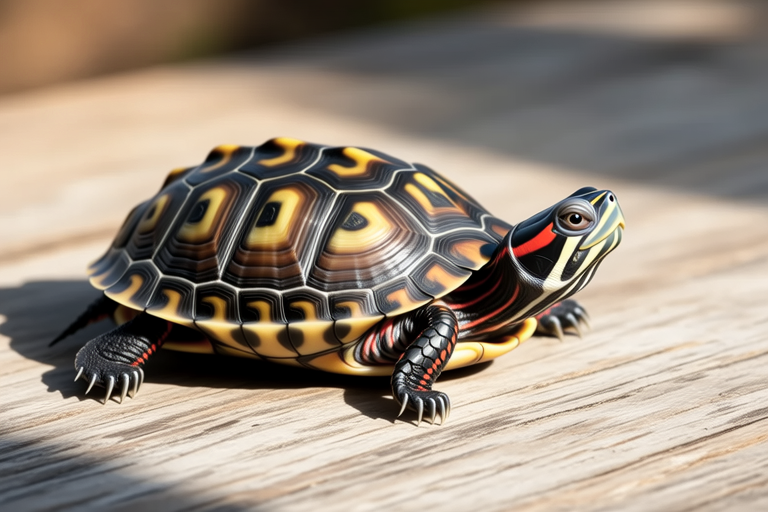
The three-striped box turtle (Terrapene carolina triunguis) is a small, terrestrial turtle native to the southeastern United States. These turtles are easily identifiable by their high-domed shell, which is usually dark brown or black with yellow or orange markings. The most distinguishing feature is the three longitudinal stripes on their head, which give them their name. Their plastron, or bottom shell, is hinged, allowing them to close their shell completely when threatened, providing excellent protection against predators.
Three-striped box turtles are known for their calm and gentle demeanor. They move slowly and gracefully, making them a delight to observe. Unlike some other reptiles, they do not bite or scratch, making them safe companions for children and adults alike. Their quiet and peaceful nature makes them ideal for those who prefer a low-key pet that does not require constant attention.
Care Requirements: Habitat Setup, Diet, and Health Considerations
Habitat Setup
Creating a suitable habitat for your three-striped box turtle is essential for their well-being. A spacious enclosure with proper lighting, temperature, and humidity levels is necessary to mimic their natural environment.
- Size: Provide a minimum of 4 square feet of space per turtle. The enclosure should be large enough for them to roam freely and explore.
- Substrate: Use a bedding material such as coconut fiber, cypress mulch, or eco-earth. Avoid using sand or gravel, as these can cause impaction if ingested.
- Temperature and Humidity: Maintain a basking area with temperatures between 85-90°F and a cooler area around 75-80°F. The humidity level should be kept between 60-80% to prevent dehydration.
- Lighting: Install full-spectrum UVB lighting to help your turtle synthesize vitamin D3 and absorb calcium. Replace the bulb every six months to ensure effectiveness.
- Hiding Spots: Provide hiding spots and climbing areas using rocks, logs, and plants to create a more natural environment.
Diet
Three-striped box turtles are omnivorous, meaning they eat both plant matter and animal protein. A balanced diet is crucial for their health and longevity.
- Vegetables and Fruits: Offer a variety of vegetables and fruits, such as leafy greens, carrots, squash, berries, and melons. Make sure to wash and chop the food into appropriate sizes.
- Insects and Protein Sources: Feed insects like crickets, mealworms, and earthworms, as well as lean meats like chicken or turkey. Avoid fatty meats and processed foods.
- Vitamins and Minerals: Supplement their diet with calcium and multivitamin powders to ensure they receive all necessary nutrients.
- Water: Provide fresh water daily in a shallow dish for drinking and soaking. Change the water frequently to maintain cleanliness.
Health Considerations
Regular check-ups and preventative care are vital for maintaining your turtle’s health. Here are some common health issues to watch out for:
- Mouth Rot: A bacterial infection that causes swelling and discharge around the mouth. Keep the enclosure clean and monitor for signs of illness.
- Shell Rot: An infection that damages the shell. Clean any injuries immediately and consult a veterinarian for treatment.
- Dehydration: Ensure access to fresh water and monitor the humidity levels in the enclosure.
- Respiratory Infections: Symptoms include nasal discharge, wheezing, and lethargy. Keep the enclosure warm and consult a vet if symptoms persist.
It is recommended to visit a reptile-savvy veterinarian at least once a year for routine check-ups and vaccinations.
Why the Three-Striped Box Turtle is Ideal for Shy Animal Lovers
The three-striped box turtle is the perfect pet for shy animal lovers due to its low-maintenance lifestyle and calming presence. Unlike more demanding pets, these turtles do not require extensive interaction or training. They are content to spend most of their time in their enclosure, basking in the sun or exploring their surroundings. This makes them ideal for individuals who prefer a quiet and peaceful companion without the need for constant attention.
The gentle nature of three-striped box turtles also contributes to their appeal for shy animal lovers. Their calm demeanor and lack of aggressive behavior make them safe and comforting pets. Watching these turtles move slowly and gracefully can have a soothing effect, providing a sense of peace and tranquility. Additionally, their quiet presence can help reduce stress and anxiety, making them an excellent choice for those seeking a calming influence in their lives.
Tips on Handling and Bonding with the Turtle
Handling your three-striped box turtle should be done with care and respect. Follow these tips to ensure a positive experience for both you and your pet:
- Wash Your Hands: Before handling your turtle, wash your hands thoroughly to avoid transferring bacteria or germs.
- Support the Shell: Always support the turtle’s body, especially the shell, to prevent injury. Gently lift them from underneath, supporting their entire body.
- Limit Handling: Handle your turtle only when necessary, as excessive handling can cause stress. Spend quality time with your turtle by observing them in their enclosure or offering treats.
- Bonding: Create a bond with your turtle by offering treats, providing enrichment activities, and spending time together. Gradually increase handling sessions as your turtle becomes more comfortable with you.
Remember, patience is key when bonding with your three-striped box turtle. Each turtle has its own personality and may take time to become accustomed to human interaction. By following these tips, you can build a strong and trusting relationship with your turtle.
Where to Adopt or Purchase a Healthy Three-Striped Box Turtle
When adopting or purchasing a three-striped box turtle, it is important to choose a reputable source to ensure the health and well-being of your new pet. Consider the following options:
- Reptile Specialty Stores: Visit local reptile specialty stores that offer a wide selection of healthy turtles. Ask about the turtle’s history, diet, and care routine before making a decision.
- Rescue Organizations: Support rescue organizations that specialize in reptiles by adopting a turtle in need of a loving home. These organizations often provide guidance on proper care and nutrition.
- Online Reputable Breeders: Research online reputable breeders who prioritize the health and welfare of their animals. Look for reviews and recommendations from other customers before purchasing.
Regardless of where you obtain your three-striped box turtle, always ensure that the seller provides a health guarantee and offers support in case of any issues. Responsible pet ownership begins with choosing a healthy and well-cared-for turtle.
Remember, owning a three-striped box turtle is a long-term commitment that requires dedication and responsibility. By providing a suitable habitat, proper diet, and regular care, you can enjoy the company of this adorable and gentle reptile for many years to come. Happy turtle keeping!
