Betta Behavior Explained: Understanding Your Finned Friend’s Actions
Bettas, also known as Siamese fighting fish, are some of the most popular and vibrant freshwater fish among aquarium enthusiasts. These small, colorful fish have been captivating hobbyists for centuries with their flowing fins and bold personalities. Originating from the rice paddies of Thailand, Malaysia, and Cambodia, bettas have adapted to thrive in low-oxygen environments, making them resilient and hardy pets. Their striking appearance, combined with their relatively easy care requirements, has made them a favorite among both novice and experienced aquarists.
The Popularity of Bettas
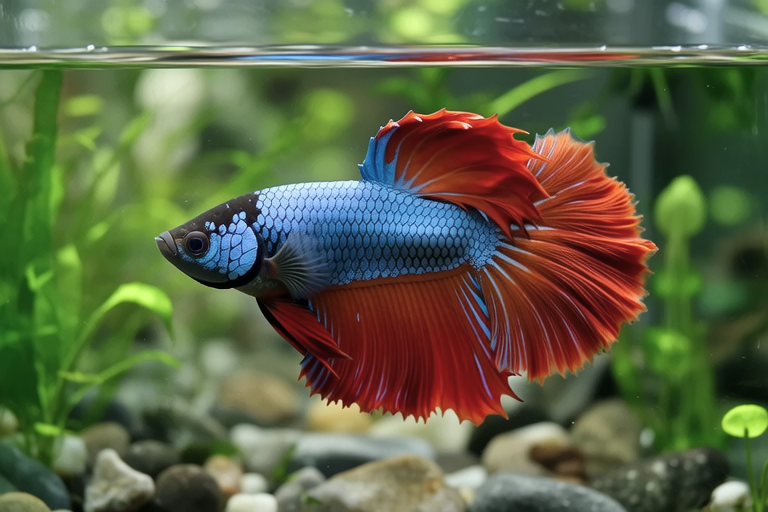
Bettas are often chosen for their vibrant colors and unique fin shapes, which can range from simple veils to elaborate crowns and half-moons. These fish come in a variety of hues, including deep blues, fiery reds, and elegant purples, adding a splash of color to any tank. The ease of caring for bettas makes them ideal for beginners, but their complex behaviors and needs also provide ample opportunities for more advanced aquarists to deepen their understanding of aquatic life.
Common Behaviors and Their Meanings
Flaring Gills
One of the most recognizable behaviors in bettas is gill flaring. When a betta flares its gills, it puffs out its opercula (the protective cover over its gills) to appear larger and more intimidating. This action is typically seen when the fish feels threatened or is interacting with another betta. Flaring is a way for the betta to assert dominance or warn potential rivals to stay away. In nature, this behavior helps protect territory and resources, ensuring the survival of the species.
Vibrant Color Displays
Bettas are renowned for their ability to change color intensity depending on their mood or environment. When a betta is healthy and content, it will display its brightest colors, making it even more visually appealing. Conversely, if the fish is stressed or unwell, its colors may become duller or fade entirely. Understanding these color changes can help owners gauge the well-being of their pet and take necessary steps to improve its living conditions.
Territorial Actions
Another key aspect of betta behavior is their territorial nature. Male bettas are particularly aggressive towards other males due to their instinct to defend breeding territory. They may chase, bite, or even attempt to fight other male bettas. However, female bettas can also exhibit territorial behavior, especially when they feel their space is being invaded. Providing ample hiding spots and creating a spacious environment can help mitigate territorial disputes within the tank.
Reasons Behind Betta Behaviors
The behaviors exhibited by bettas are rooted in their natural instincts, environmental factors, and social dynamics. Understanding these underlying causes can help owners better care for their pets and provide a stimulating environment that mimics their natural habitat.
Natural Instincts
In the wild, bettas live in densely vegetated areas where competition for food and mates is high. This competitive environment has shaped their behaviors, making them both resourceful and aggressive. Their vibrant colors and ability to flare their gills are direct results of their need to attract mates and ward off competitors. By understanding these instincts, owners can anticipate certain behaviors and provide appropriate stimulation to keep their bettas engaged and healthy.
Environmental Factors
The environment in which a betta lives plays a significant role in shaping its behavior. Factors such as water quality, temperature, and tank size can all influence a betta’s mood and activity levels. Maintaining optimal water conditions, including proper filtration and regular water changes, is essential for promoting healthy behavior. Additionally, providing a variety of plants and decorations can enrich the tank environment, offering hiding spots and stimulating visual interest.
Social Dynamics
Bettas are generally solitary creatures, and placing multiple male bettas together can lead to aggressive confrontations. Female bettas can coexist peacefully in groups, known as sororities, but careful planning is required to ensure harmony. Understanding the social dynamics of bettas is crucial for creating a balanced and peaceful tank environment.
Tips for Owners
Interpreting your betta’s behavior correctly is key to providing the best care possible. Here are some tips for owners to help them understand and respond to their finned friend’s actions:
- Pay attention to color changes and gill flaring as indicators of stress or contentment.
- Provide hiding spots and ample space to reduce territorial conflicts.
- Maintain a consistent feeding schedule to avoid overfeeding or underfeeding.
- Regularly monitor water parameters to ensure optimal conditions.
- Engage with your betta through gentle interaction, such as moving a floating object across the surface of the water.
Maintaining a Healthy Tank Environment
To foster positive interactions and ensure the longevity of your betta, it is important to maintain a balanced and stimulating tank environment. Here are some key considerations:
Water Quality
Proper water quality is crucial for betta health. Regular water changes, ideally 25% weekly, help remove waste and toxins from the tank. Use a reliable water conditioner to neutralize chlorine and chloramines found in tap water. A pH level between 6.8 and 7.4 and a temperature range of 76-82°F (24-28°C) are ideal for bettas.
Tank Size and Decorations
A minimum tank size of 5 gallons is recommended for bettas to allow sufficient swimming space. Incorporate a variety of plants, caves, and driftwood to create hiding spots and stimulate exploration. Floating plants are particularly beneficial as they mimic the natural environment of bettas.
Diet and Feeding
Bettas are omnivorous and require a balanced diet to thrive. Offer a mix of high-quality betta pellets, frozen or freeze-dried foods, and occasional live treats like brine shrimp or bloodworms. Feed your betta twice daily, offering only what it can consume within two minutes to prevent overfeeding.
Fostering Positive Interactions
Cultivating a positive relationship with your betta involves consistent care and gentle interaction. Spend time observing your betta’s behavior and responding to its needs. By understanding and addressing your betta’s behaviors, you can create a harmonious and enriching environment that supports its physical and emotional well-being.
In conclusion, understanding your betta’s behaviors is an essential part of responsible pet ownership. By recognizing the reasons behind their actions and providing a healthy, stimulating environment, you can ensure your finned friend leads a happy and fulfilling life. Whether you’re a novice aquarist just starting out or an experienced enthusiast looking to deepen your knowledge, taking the time to understand your betta’s unique personality and needs will reward you with a beautiful and rewarding companion.
