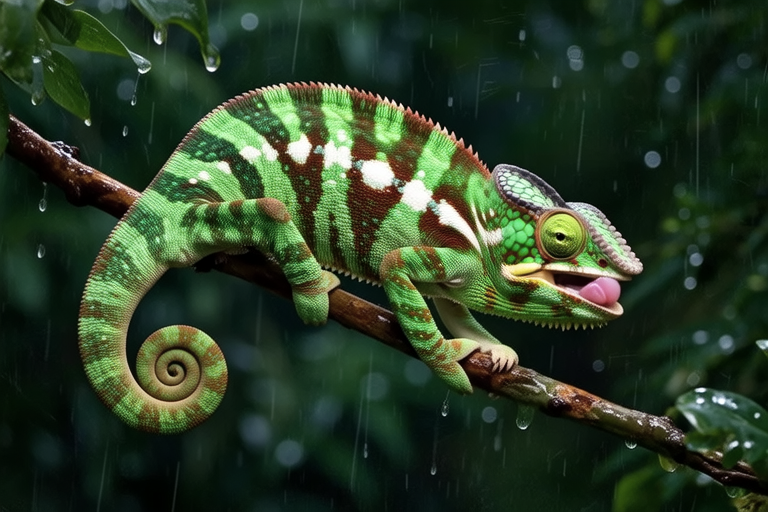
Chameleons: Unique Characteristics, Behaviors, and Lesser-Known Facts
Chameleons are fascinating reptiles known for their ability to change colors and their distinct physical features. These lizards have intrigued humans for centuries, and their unique characteristics make them one of the most interesting creatures in the animal kingdom.
Color-Changing Abilities
The ability of chameleons to change color is perhaps their most well-known trait. Contrary to popular belief, chameleons do not change color to blend into their surroundings. Instead, they use this ability for communication, temperature regulation, and mood expression. Chameleons have specialized cells called chromatophores that contain pigments. By expanding or contracting these cells, chameleons can display a wide range of colors. This process is rapid and can occur within seconds.
Dietary Habits
Chameleons are insectivores, meaning their diet primarily consists of insects. They are highly skilled hunters, using their long, sticky tongues to catch prey. Their tongues can extend up to twice the length of their bodies, allowing them to reach insects from a distance. Chameleons have excellent eyesight, which helps them spot potential meals even when they are far away. In captivity, it is important to provide a variety of live insects, such as crickets, mealworms, and waxworms, to ensure a balanced diet.
Social Structures
Chameleons are generally solitary animals and prefer to live alone. They are territorial and can become aggressive if another chameleon invades their space. Males often compete for territory and mates, engaging in displays of color and body posture. Females may also show aggression towards males during mating season. When keeping chameleons as pets, it is crucial to provide adequate space and avoid housing multiple chameleons together to prevent stress and conflict.
Habitat Preferences
Chameleons are found in various habitats across Africa, Madagascar, southern Europe, and parts of Asia. They typically inhabit trees and bushes, where they can easily find food and shelter. The ideal environment for chameleons includes a combination of branches, plants, and hiding spots. In captivity, providing a similar setup with plenty of vertical space and naturalistic decorations can help mimic their natural habitat. Chameleons require specific environmental conditions, including appropriate humidity levels and temperatures, to thrive.
Anatomy: Tongues and Eyes
One of the most remarkable aspects of chameleon anatomy is their tongues. As mentioned earlier, chameleons use their tongues to capture prey. The tongue is attached near the back of the mouth and contains a muscular core covered by a sheath. When the chameleon strikes, the tongue extends rapidly, propelled by the contraction of muscles. At the tip of the tongue is a sticky pad made of hyaluronic acid, which helps adhere to prey. This adaptation allows chameleons to be efficient hunters.
Another distinctive feature of chameleons is their eyes. Each eye can move independently, giving them a nearly 360-degree field of vision. This capability allows chameleons to scan their surroundings for threats or potential prey without moving their heads. Additionally, their eyes have excellent depth perception, enabling them to judge distances accurately when aiming for a target. This unique eye structure contributes significantly to their hunting success.
Myths Versus Realities
There are several misconceptions surrounding chameleons. One common myth is that they can only change color to match their surroundings. As previously discussed, chameleons change color for communication, temperature regulation, and mood expression. Another misconception is that chameleons can bite humans. While chameleons have teeth, they are not aggressive towards humans and rarely bite unless provoked or handled improperly.
Challenges in the Wild and as Pets
In the wild, chameleons face numerous challenges, including habitat loss due to deforestation and climate change. Pesticides used in agriculture can also harm chameleons by reducing their food sources and directly affecting their health. In captivity, improper care can lead to health issues such as metabolic bone disease, respiratory infections, and dehydration. Providing a suitable environment with appropriate lighting, temperature, and humidity is essential for the well-being of pet chameleons.
Enhancing Care for Pet Chameleons
Understanding the unique characteristics and behaviors of chameleons can greatly enhance their care as pets. By mimicking their natural habitat and providing the necessary environmental conditions, owners can ensure their chameleons remain healthy and happy. Regular veterinary check-ups and monitoring for signs of illness are also important components of responsible pet ownership.
For instance, providing a diverse diet rich in nutrients can support overall health. Offering calcium-rich supplements and ensuring proper hydration through misting or water dishes can help prevent nutritional deficiencies and dehydration. Additionally, creating an enriched environment with climbing structures, plants, and hiding spots can promote mental stimulation and reduce stress.
Conclusion
Chameleons are captivating creatures with many unique characteristics, behaviors, and adaptations. From their color-changing abilities to their specialized tongues and eyes, these lizards continue to fascinate both scientists and enthusiasts alike. By dispelling myths and understanding the realities of chameleon biology, we can better appreciate these remarkable animals and improve their care in both the wild and as pets.
