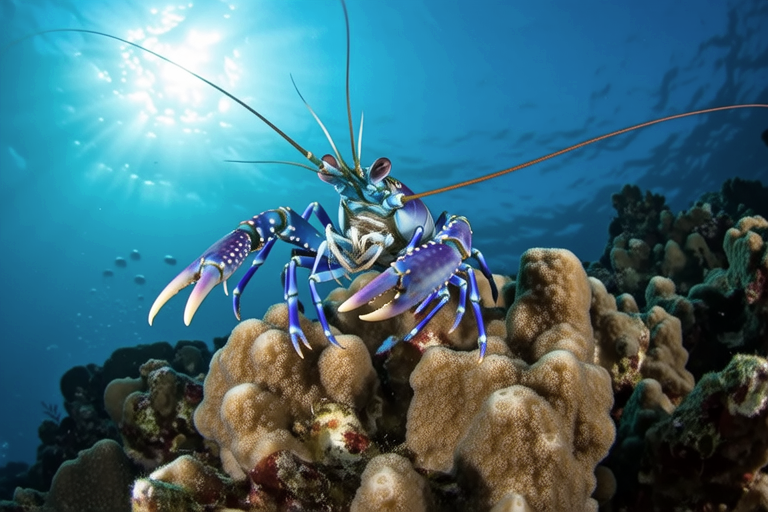
Coral Shrimp: The Underwater Gardeners of the Reef
In the vibrant tapestry of marine life, few creatures embody the delicate balance and intricate relationships of coral reefs as vividly as coral shrimp. These tiny crustaceans play a crucial role in maintaining the health of their underwater homes, acting as gardeners, cleaners, and companions to the coral polyps that form the foundation of reef ecosystems. This article explores the unique characteristics and vital functions of coral shrimp, shedding light on their symbiotic relationships, dietary habits, and contributions to the overall health of coral reefs.
The Symbiotic Relationship Between Coral Shrimp and Corals
Coral shrimp have evolved a unique relationship with their coral hosts, which is essential for both parties’ survival. One of the most well-known species in this regard is the peppermint shrimp (Lysmata wurdemanni), known for its striking coloration and its ability to coexist harmoniously with various coral species. These shrimp often reside within the branches of stony corals, particularly those from the genus Acropora, providing mutual benefits. While the coral provides shelter and a stable environment, the shrimp reciprocate by cleaning the coral of debris and algae, ensuring the coral remains healthy and free from potential pathogens.
This symbiosis extends beyond mere housekeeping. Coral shrimp also help in nutrient cycling within the reef ecosystem. By grazing on microorganisms and detritus, they prevent the buildup of organic matter that could smother the coral. Their presence can thus enhance the coral’s photosynthetic efficiency, allowing it to thrive under challenging conditions.
Cleaning Behaviors: The Hygienists of the Reef
Another significant role played by coral shrimp is that of reef cleaners. Many species, such as the cleaner shrimp (Periclimenes pedersoni) and the banded coral shrimp (Stenopus hispidus), are known for their cleaning services. These shrimp actively remove parasites, dead tissue, and mucus from the bodies of fish and other marine organisms. This behavior not only helps maintain the health of their clients but also ensures the cleanliness of the surrounding water, contributing to the overall hygiene of the reef.
The cleaner shrimp, for instance, sets up cleaning stations where it waves its antennae to attract customers. Fish, in return, provide a source of food for the shrimp while also benefiting from the removal of external parasites. This interaction exemplifies the complex web of symbiotic relationships that characterize coral reefs, highlighting the interconnectedness of life in these underwater gardens.
Dietary Habits and Feeding Strategies
Coral shrimp have adapted diverse feeding strategies to suit their environments. Primarily omnivores, they consume a wide range of food sources, including algae, small invertebrates, and organic detritus. Some species, like the scarlet cleaner shrimp (Lysmata amboinensis), have specialized in feeding on ectoparasites, while others, such as the candy cane shrimp (Synchelides barberi), are more opportunistic feeders, scavenging for food wherever they can find it.
The peppermint shrimp, for example, has a particular affinity for certain types of algae, making it a valuable ally in controlling algal blooms that could otherwise overgrow and damage coral colonies. By selectively grazing on these algae, peppermint shrimp help maintain the delicate balance between corals and their competitors, ensuring the reef’s biodiversity remains intact.
Contributions to Reef Health
The presence of coral shrimp significantly contributes to the overall health and resilience of coral reefs. By keeping corals clean and free from harmful substances, these shrimp indirectly support the coral’s growth and reproduction. They also aid in the maintenance of water quality, which is critical for the survival of all reef inhabitants.
In addition to their direct effects on coral health, coral shrimp play a vital role in reef regeneration. After a coral bleaching event or a storm that damages coral structures, shrimp can help accelerate the recovery process by removing debris and promoting the growth of new coral polyps. Their activities can thus mitigate some of the adverse impacts of environmental stressors, making them indispensable to the reef’s long-term survival.
Threats to Coral Shrimp and Their Habitats
Despite their importance, coral shrimp face numerous threats that jeopardize their existence and the health of the reefs they inhabit. Habitat destruction due to coastal development, pollution, and climate change poses significant risks. Rising sea temperatures and ocean acidification can lead to coral bleaching events, which not only harm the corals themselves but also displace the shrimp that depend on them for shelter and food.
Fishing practices, particularly those involving the use of cyanide or dynamite, can also devastate reef communities, including coral shrimp populations. Overfishing can disrupt the balance of predator-prey relationships, leading to cascading effects throughout the ecosystem. Additionally, the trade in ornamental shrimp for aquariums has contributed to the depletion of certain species in the wild.
Conservation Efforts and Future Prospects
To safeguard the future of coral shrimp and the reefs they call home, concerted conservation efforts are necessary. Marine protected areas (MPAs) and sustainable fishing practices can help preserve these fragile ecosystems. Public awareness campaigns aimed at reducing pollution and supporting sustainable tourism can also make a significant difference.
Research into the biology and behavior of coral shrimp is crucial for developing effective conservation strategies. Understanding their specific needs and interactions within the reef can inform targeted interventions that protect both the shrimp and their habitats. Collaborative efforts between scientists, policymakers, and local communities will be key to ensuring the survival of these vital underwater gardeners.
In conclusion, coral shrimp are more than just colorful inhabitants of coral reefs; they are integral components of these dynamic ecosystems. Through their symbiotic relationships, cleaning behaviors, and dietary habits, they contribute significantly to the health and resilience of coral reefs. As we continue to explore the mysteries of the deep, it is imperative that we recognize and appreciate the invaluable role of these tiny creatures in maintaining the delicate balance of life in our oceans.
