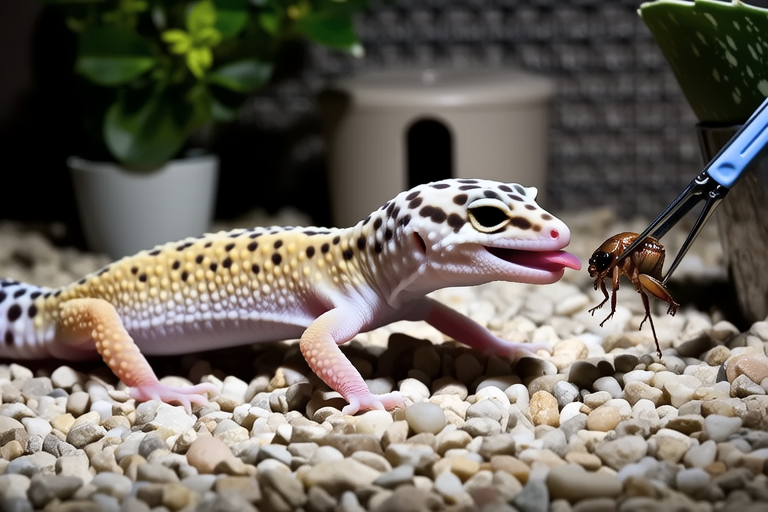
Leopard Gecko Feeding 101: What, When, and How Often?
Welcome to Leopard Gecko Feeding 101, your ultimate guide to ensuring your pet enjoys a balanced and nutritious diet. As a responsible owner, it’s crucial to understand the dietary needs of your leopard gecko to promote their health and longevity. This comprehensive article will cover what foods are suitable, when and how often to feed them, and how to maintain a healthy diet.
Understanding Leopard Gecko Dietary Needs
Leopard geckos are insectivores, meaning their diet primarily consists of insects. Their digestive system is designed to process these protein-rich meals efficiently. However, it’s important to note that not all insects are created equal. The right balance of nutrients is key to keeping your gecko healthy and vibrant.
Appropriate Food Types
Insects
The most common insects fed to leopard geckos include crickets, dubia roaches, and mealworms. Each has its advantages:
- Crickets: Rich in calcium and phosphorus, they are easily digestible and widely available.
- Dubia Roaches: High in protein and fat, these insects are excellent for growing geckos.
- Mealworms: Although nutritious, they have tough exoskeletons, making them harder to digest.
Prey Size
It’s vital to offer prey items that are appropriately sized for your gecko. A good rule of thumb is that the prey should be no wider than the space between the gecko’s eyes. Overfeeding large insects can lead to impaction, which can be life-threatening.
Nutritional Supplements
To ensure your gecko gets all necessary nutrients, supplementation is crucial. Two primary supplements are calcium and vitamin D3:
- Calcium: Essential for bone health and muscle function. Use a high-quality calcium supplement without added phosphorus.
- Vitamin D3: Necessary for calcium absorption. Ensure your gecko receives adequate UVB light or use a D3 supplement.
Gut Loading
Gut loading involves feeding the insects a nutrient-rich diet before offering them to your gecko. This ensures the gecko receives additional vitamins and minerals from the insects’ guts. Common gut load foods include fruits, vegetables, and commercial gut load mixes.
Feeding Frequency Based on Age and Size
Young and growing geckos require more frequent feedings compared to adults:
- Young Geckos (up to 6 months): Feed daily.
- Adult Geckos (over 6 months):
Optimal Feeding Times and Environmental Conditions
Leopard geckos are nocturnal, so they’re most active at night. Therefore, it’s best to feed them in the evening. Additionally, ensure the feeding area is warm and comfortable. Avoid disturbing your gecko during feeding time to prevent stress.
Common Feeding Mistakes to Avoid
- Overfeeding: Excessive food can lead to obesity and other health issues.
- Improper Prey Size: Offering prey that’s too large can cause impaction.
- Lack of Supplementation: Skipping calcium and vitamin D3 can result in metabolic bone disease.
Tips for Maintaining a Healthy Diet
Here are some additional tips to help you maintain a healthy diet for your leopard gecko:
- Rotate different types of insects to provide a varied diet.
- Monitor your gecko’s weight and adjust feeding accordingly.
- Ensure a clean environment to prevent the spread of parasites.
By following the guidelines outlined in this article, you’ll be well-equipped to provide your leopard gecko with a balanced and nutritious diet. Remember, a healthy diet is the cornerstone of a happy and thriving pet. With the right knowledge and care, you can enjoy many years of companionship with your beloved gecko.
