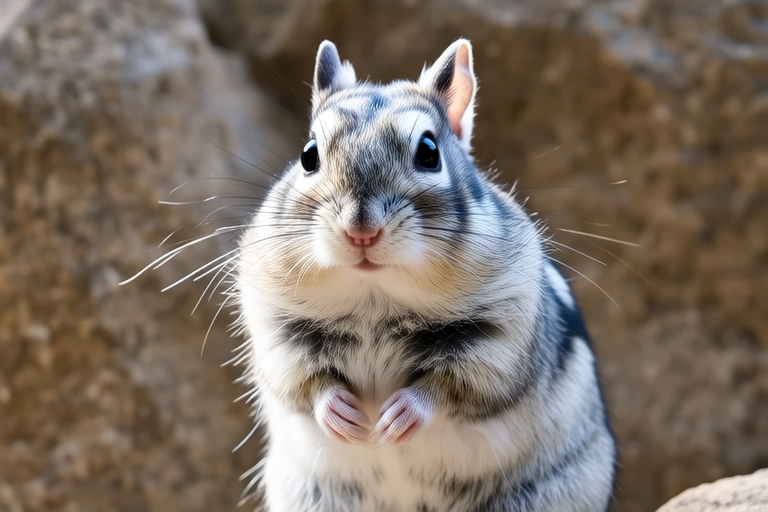
5 Surprising Facts About Chinchillas That’ll Blow Your Mind
Welcome, animal enthusiasts! Today, we’re diving into the world of one of nature’s most enchanting creatures: the chinchilla. These adorable rodents have captured hearts worldwide, but there’s so much more to them than meets the eye. Get ready to be amazed by these five surprising facts about chinchillas that will definitely blow your mind.
1. The Fur of a Chinchilla Is Among the Softest in the World
Chinchillas are famous for their luxurious fur, which has been prized for centuries. But did you know that their fur is actually among the softest in the entire animal kingdom? Each square inch of a chinchilla’s coat contains approximately 20,000 to 30,000 hairs. This density is unmatched by any other mammal, making their fur incredibly soft and plush to the touch. Historically, this trait made chinchillas a target for the fur trade, leading to significant population declines in the wild. However, modern conservation efforts have helped protect these magnificent animals.
Their dense fur serves a dual purpose beyond being beautiful. It acts as insulation, keeping chinchillas warm in their native cold, high-altitude habitats. Additionally, it provides protection against parasites like fleas and lice. Unlike many other animals, chinchillas cannot bathe in water due to the density of their fur, which would trap moisture and lead to skin infections. Instead, they take dust baths to clean themselves, a behavior that is both charming and practical.
2. Chinchillas Have an Unusual Reproductive Cycle
One of the most fascinating aspects of chinchilla biology is their reproductive cycle. Chinchillas are seasonal breeders, meaning they only mate during specific times of the year, typically from November to February. During this period, female chinchillas enter estrus, a state of sexual receptivity, every 28 days, but they are only fertile for a short window of time within that cycle. This window lasts just six hours, making successful mating a rare and precise event.
To add to the intrigue, male chinchillas can sense when a female is fertile, often becoming more aggressive and territorial. Once a female becomes pregnant, she carries her offspring for a remarkably long gestation period of 111 days. This extended pregnancy is unusual for small mammals and contributes to the difficulty of breeding chinchillas in captivity. Despite these challenges, chinchillas are born fully furred and with open eyes, ready to face the world almost immediately after birth.
3. Chinchillas Are Nighttime Acrobats
Chinchillas are primarily nocturnal, meaning they are most active during the night. In their natural habitat, this behavior helps them avoid predators and the harsh daytime temperatures of the Andes Mountains. However, what sets chinchillas apart is their incredible agility. They are known for their acrobatic skills, capable of leaping up to six feet in a single bound. This impressive vertical leap allows them to navigate their rocky, mountainous environment with ease.
In captivity, chinchillas retain these remarkable abilities. Owners often marvel at how their pets can jump from one perch to another with seemingly effortless grace. Their agility is further enhanced by their strong hind legs and flexible spines. Chinchillas also enjoy climbing and can easily scale vertical surfaces, making climbing frames and platforms essential additions to their living spaces. Watching a chinchilla in action is like witnessing a tiny, furry gymnast performing an intricate routine.
4. Chinchillas Have a Complex Social Structure
Beyond their physical attributes, chinchillas exhibit complex social behaviors. In the wild, they live in large colonies, sometimes numbering over 100 individuals. These colonies are highly organized, with a strict hierarchy that determines access to resources such as food and nesting sites. Dominant males typically control the best territories, while females tend to form smaller groups based on kinship ties.
Communication within these colonies is rich and varied, involving vocalizations, body language, and scent marking. Chinchillas produce a range of sounds, including chirps, squeaks, and barks, which serve different purposes. For example, a high-pitched chirp might signal excitement or fear, while a low growl indicates aggression. Body language plays a crucial role too, with chinchillas using their tails to communicate. A relaxed tail position suggests contentment, while a raised or flicked tail can indicate agitation or warning.
Understanding and respecting these social dynamics is essential for those who keep chinchillas as pets. Providing multiple hiding spots and ample space can help reduce stress and promote a healthy social environment. Recognizing the signs of discomfort or dominance can also prevent conflicts within multi-chinchilla households.
5. Chinchillas Have a Unique Defense Mechanism
When threatened, chinchillas employ an unusual defense mechanism that is both clever and effective. They can shed their fur in response to a predator’s grasp, leaving the attacker with nothing but a handful of fur. This behavior, known as “fur slip,” is a last resort and serves as a distraction to allow the chinchilla to escape. While losing fur can be distressing for the chinchilla, their dense coat grows back relatively quickly.
This defense strategy is particularly useful in the wild, where chinchillas face threats from predators such as foxes and birds of prey. Interestingly, fur slip is not limited to physical attacks. Chinchillas may also shed fur when stressed or handled roughly. This makes it important for pet owners to handle their chinchillas gently and provide a calm, secure environment. Over time, chinchillas can learn to trust their human companions and become less likely to engage in fur slip.
Conclusion: Dive Deeper into the World of Chinchillas
From their incredibly soft fur to their complex social structures and unique defense mechanisms, chinchillas are truly fascinating creatures. Each of these surprising facts reveals a new layer of complexity and charm in these beloved pets. Whether you’re a seasoned chinchilla owner or simply curious about these adorable rodents, there’s always more to learn about the world of chinchillas.
We encourage you to continue exploring the wonderful world of chinchillas. Consider visiting local shelters or rescue organizations to learn more about adopting a chinchilla. You can also find numerous online resources, books, and forums dedicated to chinchilla care and conservation. By deepening your understanding of these delightful animals, you can ensure that both wild and domesticated chinchillas thrive for generations to come.
