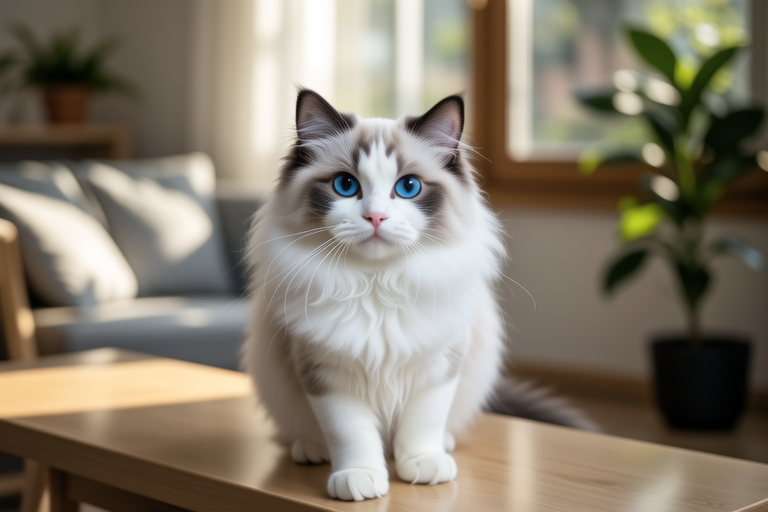
Ragdolls Uncovered: How This Breed Became a Social Media Sensation
Step into any social media feed—Instagram, TikTok, YouTube—and you’re likely to stumble upon a cat with eyes like sapphires, fur that cascades like silk, and a demeanor so calm it seems almost otherworldly. Chances are, you’ve just encountered a Ragdoll. Once a relatively obscure breed known only to dedicated feline enthusiasts, Ragdolls have surged into global fame, becoming one of the most photographed, shared, and adored cats on the internet. Their rise isn’t just about looks; it’s a perfect storm of striking beauty, endearing personality, and an uncanny ability to captivate audiences through digital storytelling.
But how did this breed go from a quiet experiment in a California backyard to a viral phenomenon? To understand the Ragdoll’s journey from obscurity to internet stardom, we must first journey back to its roots—where love, curiosity, and a bit of serendipity sparked a revolution in cat breeding.
The Birth of a Legend: The Origins of the Ragdoll
The story of the Ragdoll begins in the 1960s, in a modest home in Riverside, California. It was here that a woman named Ann Baker, a devoted cat lover and breeder, began developing a new breed that would eventually capture hearts around the world. Her inspiration came from a white Persian cat named Josephine, who was known for her unusually docile temperament and tendency to go limp when picked up—a trait that would later define the breed’s name.
Baker believed Josephine had inherited a unique genetic predisposition for relaxation, and she set out to breed this quality into a new lineage. She crossed Josephine with several other cats—Persians, Burmese, and Birman-like types—to create a cat with a striking appearance and an even more remarkable personality. The result was the Ragdoll: a large, semi-long-haired cat with deep blue eyes, a plush coat, and a famously gentle disposition.
Ann Baker went on to formalize the breed’s standards, emphasizing traits like size, colorpoint pattern, and the “floppy” behavior that gave the breed its name. Though her methods were controversial and not universally accepted by the cat fancy community, her vision laid the foundation for what would become one of the most popular cat breeds in the United States and beyond.
It’s no surprise that Ragdolls dominate the visual landscape of pet content. Their physical attributes are tailor-made for the camera:
- Large, Majestic Build: Ragdolls are among the largest domestic cat breeds, often weighing between 10 to 20 pounds. Their sturdy frames and long limbs give them a regal presence, making them ideal subjects for full-body shots and dramatic poses.
- Semi-Long, Silky Fur: Unlike many long-haired breeds that require constant grooming, Ragdolls have a soft, silky coat that resists matting—making them easier to maintain while still looking luxurious in photos and videos.
- Stunning Blue Eyes: Their deep, vivid blue eyes are a hallmark feature, drawing attention and emotion. Combined with expressive faces, they seem to convey complex feelings with just a glance.
- Colorpoint Pattern: Like Siamese cats, Ragdolls display a colorpoint pattern—dark ears, face, paws, and tail against a lighter body. This contrast creates natural visual interest and is especially pronounced in seal, chocolate, blue, and lilac variations.
These features don’t just look good—they tell stories. A single image of a Ragdoll lounging on a windowsill, bathed in golden sunlight, evokes warmth, serenity, and elegance. When paired with their naturally relaxed expressions, it’s no wonder these cats are frequently featured in lifestyle content, pet fashion shoots, and cozy home aesthetic videos.
Viral Moments: How Social Media Made Ragdolls Global Icons
The true explosion of Ragdoll popularity occurred with the rise of user-generated content on platforms like Instagram, TikTok, and YouTube. In the past decade, these platforms have transformed pets into influencers, and Ragdolls have emerged as some of the most prolific stars.
One of the most iconic trends involves “Ragdoll reactions”—short clips showing the cats responding dramatically to stimuli such as vacuum cleaners, sudden movements, or even a simple hand gesture. These videos often highlight their exaggerated expressions: wide eyes, tilted heads, slow blinks, and sudden “flopping” onto the floor. While some viewers laugh at the over-the-top responses, experts confirm that this behavior stems from genuine emotional expression.
Dr. Sarah Thompson, a feline behaviorist based in Portland, Oregon, explains: “Ragdolls are exceptionally sensitive and responsive to their environment. They aren’t ‘acting’—they’re simply expressing their emotions with intensity. Their facial muscles allow for a wide range of expressions, and their trust in their humans enables them to be completely open with their feelings.”
This emotional transparency resonates deeply with audiences seeking authenticity in digital spaces. Viewers don’t just watch Ragdolls—they connect with them. A video of a Ragdoll calmly watching a bird outside a window can feel meditative. A clip of a kitten gently pawing at a human’s hand might evoke nostalgia or joy. These moments, though seemingly mundane, tap into universal desires for comfort, companionship, and peace.
Moreover, Ragdolls thrive in curated environments. Many owners showcase their cats in beautifully designed homes, surrounded by plants, soft blankets, and cat-friendly furniture. These visuals contribute to the dreamlike aesthetic that dominates pet content—offering viewers a glimpse into a world where life feels slower, kinder, and more serene.
Debunking the Myths: Are Ragdolls High-Maintenance or Fragile?
Despite their widespread appeal, Ragdolls are often misunderstood. Common misconceptions paint them as delicate, fragile creatures requiring constant care and unable to handle real-life situations. While they do have specific needs, these claims are largely exaggerated.
First, Ragdolls are not inherently fragile. Yes, they are gentle and prefer calm environments, but they are also intelligent, curious, and capable of adapting to various lifestyles. They enjoy playtime, exploration, and interaction—just like any other cat. Their low-aggression tendencies make them excellent family pets, including households with children and other animals.
Second, grooming requirements are often overstated. While their fur is longer than average, it doesn’t tangle easily. Most Ragdoll owners report brushing their cats once or twice a week—not daily, as some assume. Regular brushing helps reduce shedding and keeps their coat shiny, but it’s far from the intensive regimen implied by myths.
Additionally, Ragdolls are not prone to health issues more than other breeds, provided they come from reputable breeders who screen for genetic conditions like hypertrophic cardiomyopathy (HCM). Responsible ownership—including regular vet check-ups, proper nutrition, and mental stimulation—is key to their well-being, just as it is for all cats.
In fact, many owners emphasize that the greatest challenge isn’t care—it’s managing expectations. “People expect a Ragdoll to be constantly cuddly and photogenic,” says Maria Chen, a lifelong Ragdoll owner from Denver. “But like any cat, they have moods. Some days they want to be lap warmers; others, they’d rather nap in a sunbeam. The magic isn’t in perfection—it’s in authenticity.”
The Emotional Connection: What Ragdolls Reveal About Modern Pet Culture
The Ragdoll’s dominance on social media isn’t just about aesthetics—it reflects deeper shifts in how people relate to pets today. In an age of digital overload, anxiety, and isolation, animals have become symbols of emotional refuge. Pets offer unconditional love, non-judgmental companionship, and a sense of routine in chaotic times.
Ragdolls, with their calm demeanor and expressive personalities, embody this emotional sanctuary. Watching a Ragdoll stretch lazily, blink slowly, or curl up beside someone evokes a sense of safety and contentment. For millions of viewers, these videos serve as micro-meditations—brief pauses in a busy day to reconnect with simplicity and warmth.
Furthermore, the popularity of Ragdolls highlights a growing trend toward “emotional branding” in pet culture. People don’t just adopt pets for companionship—they seek pets that reflect their values: kindness, gentleness, and mindfulness. Ragdolls, with their reputation for being affectionate and easygoing, fit perfectly into this narrative.
Even the way we engage with pet content has evolved. Instead of passive viewing, audiences now participate—commenting, sharing, and creating their own content inspired by their own pets. This participatory culture fosters communities built on empathy and shared joy. A simple video of a Ragdoll playing with a feather toy might inspire another owner to try similar enrichment at home, strengthening the bond between pet and human.
Yet, there’s also a cautionary note. As demand for Ragdolls grows, so does the risk of irresponsible breeding and pet trafficking. Some unscrupulous breeders prioritize appearance over health, leading to cats with underlying medical issues. Consumers are urged to research breeders thoroughly, ask for health clearances, and consider adopting from shelters or rescue organizations—even if it means choosing a different breed.
A Gentle Giant’s Legacy: More Than Just a Trend
While trends come and go, the enduring appeal of the Ragdoll suggests something deeper: a cultural longing for connection, calm, and beauty in our lives. These cats are more than internet celebrities—they are ambassadors of compassion, patience, and presence.
From Ann Baker’s backyard in California to living rooms across the globe, the Ragdoll’s journey mirrors humanity’s evolving relationship with animals. We no longer see pets merely as household helpers or status symbols. Instead, we view them as family members—co-conspirators in our daily rituals, sources of comfort during tough times, and reminders to slow down and appreciate the small joys.
So next time you see a Ragdoll video—whether it’s a cat falling asleep mid-sentence, staring intently at a laser dot, or giving a slow blink that feels like a promise—you’re not just witnessing a moment of cuteness. You’re seeing a reflection of what so many of us crave: a world where love is visible, peace is possible, and a gentle giant can make your heart smile with a single glance.
In the end, the Ragdoll’s rise isn’t just about fame. It’s about feeling seen. And in a noisy, fast-moving world, sometimes that’s the most powerful thing of all.
