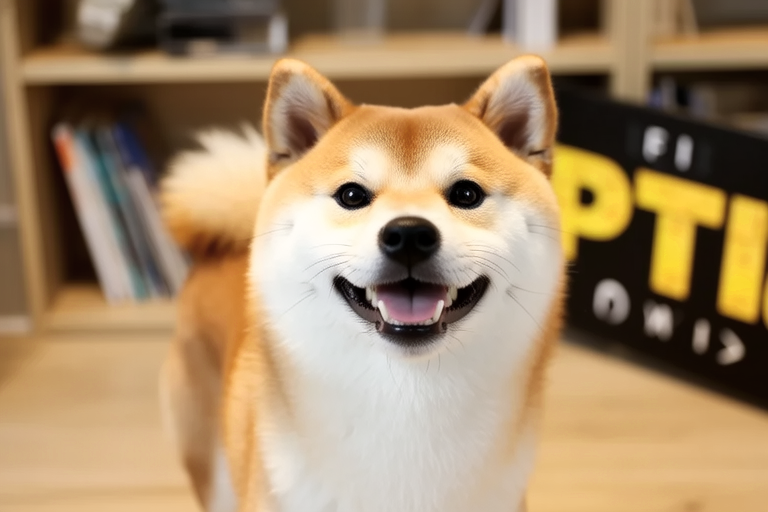
Shiba Inu Secrets: What These Tiny Terrors Don’t Want You to Know
They’re small. They’re sly. And they’ve got a reputation that precedes them—often unfairly. The Shiba Inu, Japan’s most iconic spitz breed, is frequently labeled as “stubborn,” “untrainable,” or even “the cat of dogs.” But behind the myth lies a complex, intelligent, and deeply fascinating companion. While their tiny size might fool you into thinking they’re just adorable lap pets, these dogs are anything but. In fact, understanding what makes them tick—their ancient instincts, unique communication, and surprising intelligence—is key to unlocking a rewarding relationship.
The Independent Spirit: A Legacy from the Mountains
Shiba Inus didn’t evolve for obedience—they evolved for survival. Originating in the rugged mountain forests of Japan over 3,000 years ago, these dogs were bred not as companions, but as hunters. Their job? To flush out game like birds and small mammals from dense underbrush. This history isn’t just a footnote—it’s written into their DNA.
Today, this independence shows up in ways that can surprise new owners. Unlike breeds trained for herding or guarding, Shibas weren’t bred to follow commands blindly. Instead, they were encouraged to think on their feet, assess situations, and act decisively. That means when you ask your Shiba to sit, it’s not necessarily defiance—it’s evaluation. They’re weighing whether the command makes sense *to them*.
For prospective owners, this means patience is non-negotiable. Trying to force obedience through dominance or punishment only reinforces their instinct to retreat into silence—or worse, disengage entirely. Instead, build trust through consistency, positive reinforcement, and respect for their autonomy. The goal isn’t to break their will, but to earn their cooperation.
Precise Prey Drive: When “Look” Means “Run”
If you’ve ever watched a Shiba Inu stare intently at a squirrel, you’ve witnessed one of their most defining traits: an intense prey drive. This isn’t just a quirky habit—it’s a powerful biological impulse rooted in centuries of hunting duty.
Even in urban apartments, a Shiba’s eyes can lock onto a fluttering bird, a darting rabbit, or even a passing leaf with laser focus. One moment they’re lounging on the couch; the next, they’re gone—vanished down the alley before you can blink. It’s not disobedience. It’s instinct.
This doesn’t mean they’re dangerous or aggressive toward other animals—but they aren’t safe around small pets either. Even well-socialized Shibas may react unpredictably if startled by sudden movement. If you have cats, guinea pigs, or other small animals, consider a secure, pet-proofed environment. Leash training and recall exercises are essential, especially in off-leash areas.
Here’s a pro tip: use distraction techniques instead of punishment. When you see that telltale ear flick and gaze fixate, redirect with a high-value treat or toy. Over time, they’ll learn that good things happen when they come back to you—rather than chasing every twitch of motion.
Whispers in the Wind: Decoding Shiba Communication
Shiba Inus don’t bark much—but when they do, it’s usually purposeful. They communicate more through body language than vocalizations. And unless you’re fluent in “Shiba,” you might miss the signals entirely.
One of the most misunderstood behaviors? The “Shiba smirk.” You know the look—the slightly tilted head, ears perked forward, lips curled upward. It’s not smugness. It’s alertness. They’re processing something. Whether it’s a new sound, a change in your mood, or a possible threat, this expression is their way of saying, “I’m assessing this.”
Another subtle cue: the tail. Unlike many breeds that wag freely, Shibas often hold their tails high and curled over their back—almost like a question mark. This isn’t aggression; it’s confidence. When they lower it slightly, it’s a sign of caution or uncertainty. Watch for flattened ears, a stiff posture, or avoiding eye contact—these are signs they feel threatened.
Understanding these signals helps prevent misunderstandings. If your Shiba freezes mid-step, stares intensely, and tucks its tail, don’t scold—it might be trying to tell you it sees something worth investigating. Respect their observations, and you’ll foster deeper trust.
The Stubborn Streak: Not Defiance, But Strategy
“Stubborn” is the most common word associated with Shibas—but it’s misleading. They’re not refusing to obey because they’re lazy or defiant. They’re choosing not to act based on their own assessment of the situation.
Think of it this way: imagine being asked to jump off a cliff without knowing why. Would you do it? Probably not. That’s how a Shiba feels when given a command that seems illogical or unnecessary. They’re not ignoring you—they’re evaluating.
This is where training becomes both an art and a science. Traditional methods relying on repetition and correction fall flat. Instead, success comes from making the desired behavior *rewarding* and *meaningful* to them. Use food motivation, play, and praise—not just as bribes, but as tools to create a partnership.
Short, engaging sessions (5–10 minutes) work best. Keep them fun, varied, and consistent. Focus on building a foundation of basic commands—sit, stay, come, leave it—with a reward-based approach. Use treats, toys, or affection as reinforcers, but never overdo it. A Shiba’s brain is sharp enough to detect manipulation.
And here’s a truth many owners overlook: Shiba Inus thrive on mental stimulation. Without it, they’ll find their own entertainment—often destructive. Puzzle toys, scent games, and obedience challenges keep their minds sharp and reduce behavioral issues.
Hidden Intelligence: Smarter Than You Think
While they may not be the top-ranked breed in obedience trials, Shiba Inus rank among the most intelligent dogs in terms of problem-solving and independent thought. According to Stanley Coren’s “The Intelligence of Dogs,” they’re ranked #36 out of 109 breeds—but that ranking reflects their ability to learn commands *on their own*, rather than through repetition.
In real-world scenarios, this intelligence shines. Need to open a cabinet? A curious Shiba might figure out how to push the door open with its nose. Struggling with a leash? They’ll learn to step backward or pivot to avoid tension. They’re observant, resourceful, and quick learners—if you give them the right incentives.
But their intelligence also fuels their mischief. They’re notorious for finding ways to escape fences, sneak into trash cans, or dismantle household items. One owner reported their Shiba mastering the art of opening a kitchen drawer using a paw and a nudge—after watching the human do it once.
To harness this cleverness, incorporate enrichment activities daily. Try hide-and-seek games with treats, teach them tricks like “spin” or “high-five,” or introduce agility basics—even indoors. The more mentally engaged they are, the less likely they are to seek trouble.
Care Needs Beyond the Surface
Shiba Inus may look like fluffy little statues, but their care requirements are far from simple. Their thick double coat demands regular grooming—especially during seasonal shedding periods (spring and fall). Brushing at least twice a week prevents matting and reduces shedding around the house.
They’re also prone to certain health issues, including hip dysplasia, patellar luxation, and progressive retinal atrophy (PRA). Responsible breeders conduct genetic testing, so always ask for health clearances before adopting. Routine vet visits, a balanced diet, and maintaining a healthy weight are crucial.
Exercise needs are moderate but important. While they don’t require hours of running, they need daily walks, playtime, and opportunities to explore. A backyard with fencing is ideal—but never assume they’re content indoors. Left alone too long, they’ll find ways to entertain themselves—often in ways that involve chewing, digging, or escaping.
And while they’re generally clean dogs who groom themselves like cats, they still need occasional baths and ear cleaning. Their almond-shaped eyes are prone to tear staining, so wipe gently with a damp cloth daily to prevent buildup.
Living With a Shiba: The Real Deal
Owning a Shiba Inu isn’t about having a dog that fits neatly into your lifestyle. It’s about adapting your life to meet theirs. They’re not low-maintenance pets—they’re high-reward companions for those willing to put in the effort.
They’re loyal, affectionate, and deeply bonded to their families. Once they trust you, they’ll follow you from room to room, greet you at the door with a mix of enthusiasm and quiet dignity, and even “talk” to you with expressive barks and whines. They form strong attachments—and they’ll remember your voice, your scent, and your routines.
But they’re not for everyone. If you want a dog that obeys instantly, cuddles on demand, or tolerates chaos, a Shiba might not be the right fit. However, if you value independence, intelligence, and a deep emotional connection built on mutual respect, they can be extraordinary companions.
The Takeaway: More Than Just a “Tiny Terror”
Yes, Shiba Inus are known for their quirks—those stubborn glares, sudden dashes after squirrels, and tendency to ignore commands. But beneath the stereotype lies a breed rich in history, instinct, and personality.
They’re not defective. They’re different. And that difference is what makes them unforgettable.
When you understand their past, respect their nature, and engage with them as equals rather than subordinates, you unlock a bond unlike any other. They may not be easy—but they’re never boring. They challenge you, inspire you, and remind you that love isn’t about control, but about connection.
So next time someone calls your Shiba a “tiny terror,” smile knowingly. Because you know the truth: they’re not a terror. They’re a treasure—one that demands your patience, rewards your effort, and gives back loyalty, wit, and charm in equal measure.
And in the end, isn’t that exactly what a perfect pet should be?
