The History and Characteristics of Turkish Angora Cats
Tracing the origins of the Turkish Angora cat back through time reveals a fascinating journey from the royal palaces of ancient Turkey to the homes of cat lovers around the world. Known for their striking appearance and charming personalities, these elegant felines have captured the hearts of many. This article delves into the history, physical traits, unique coat patterns, and distinct personalities of Turkish Angora cats, providing valuable insights into why they make excellent family pets.
Origins and Historical Significance
The Turkish Angora is believed to have originated in the Ankara region of central Anatolia, Turkey, thousands of years ago. These cats were highly valued as royal pets in ancient Turkey and were often gifted to foreign dignitaries as tokens of goodwill. In the 17th century, Turkish Angoras were introduced to Europe, where they quickly became popular among the nobility. The breed was recognized by the Cat Fanciers’ Association (CFA) in 1968, solidifying its place in the global feline community.
Physical Traits and Coat Patterns
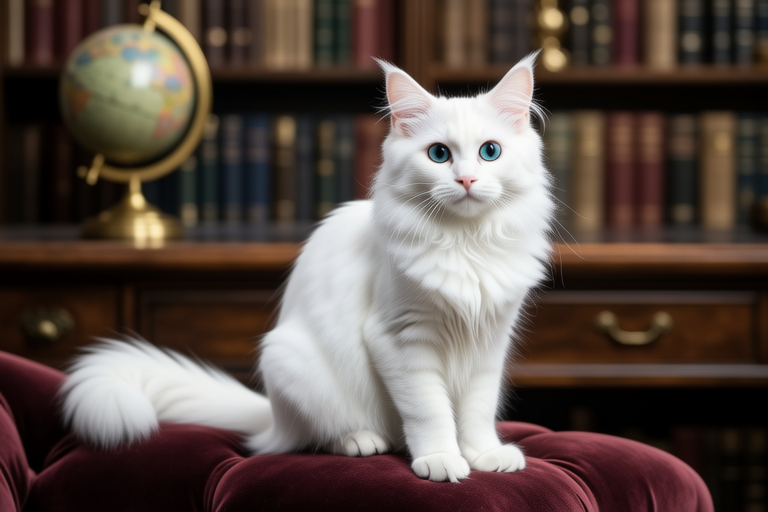
Turkish Angoras are medium-sized cats with long, silky coats that come in a variety of colors and patterns. Their most distinctive feature is their large, tufted ears, which give them an alert and intelligent appearance. Their eyes are typically blue, but they can also be green or amber, adding to their allure. One of the most remarkable aspects of Turkish Angoras is their ability to produce all-white kittens when bred together, a trait that has made them sought after for centuries.
Unique Coat Patterns
Turkish Angoras exhibit a wide range of coat patterns, including tabby, tortoiseshell, and bicolor. However, their most iconic pattern is the white coat with a single spot of color on the head, known as a “van” pattern. This rare and beautiful marking has contributed significantly to the breed’s popularity and mystique.
Distinct Personalities
Turkish Angoras are known for their playful, affectionate, and intelligent nature. They are highly social animals that enjoy interacting with their human companions and other pets. Their curiosity and energy make them excellent playmates for children, and their gentle demeanor ensures they are well-suited for family life. Despite their lively personalities, Turkish Angoras can also be quite independent, allowing them to entertain themselves when necessary.
Anecdotes and Stories
One famous Turkish Angora was Marmalade, a cat who lived in the White House during the presidency of John F. Kennedy. Marmalade was a beloved member of the Kennedy family and was often seen accompanying the president during official events. Another notable Turkish Angora was Luna, a cat who starred in a popular Turkish television series. Her role as the family pet helped to further cement the breed’s status as a cultural icon in Turkey.
Intelligence, Playfulness, and Adaptability
Turkish Angoras are highly intelligent and quick learners, making them easy to train. They enjoy interactive toys and games that challenge their minds and keep them entertained. Their adaptability makes them well-suited for a variety of living situations, from small apartments to large homes. Whether they are lounging on a windowsill or exploring their surroundings, Turkish Angoras are always ready for adventure.
Caring for Turkish Angora Cats
While Turkish Angoras are generally healthy cats, they do require regular grooming to maintain their luxurious coats. Brushing them several times a week will help to prevent matting and reduce shedding. Owners should also be vigilant about dental hygiene, as poor oral health can lead to serious health problems. Regular veterinary check-ups are essential for ensuring the overall health and well-being of these special cats.
Grooming Needs
In addition to regular brushing, Turkish Angoras may require occasional baths to keep their coats clean and shiny. It is important to use a gentle shampoo specifically formulated for cats, as harsh chemicals can irritate their skin. Owners should also trim their nails regularly to prevent overgrowth and potential injury.
Health Considerations
While Turkish Angoras are generally healthy cats, they are prone to certain genetic conditions, such as hypertrophic cardiomyopathy (HCM), a heart disease that affects some purebred cats. Regular veterinary check-ups can help to detect and manage this condition early. Owners should also be aware of the breed’s susceptibility to ear infections, which can occur due to their large, tufted ears. Regular cleaning and monitoring can help to prevent these issues.
The Enduring Appeal of Turkish Angoras
The enduring appeal of Turkish Angora cats lies in their unique combination of beauty, intelligence, and personality. Their striking appearance, combined with their playful and affectionate nature, makes them a favorite among cat enthusiasts worldwide. As a symbol of elegance and grace, the Turkish Angora continues to captivate the hearts of many, ensuring its place in feline culture for generations to come.
