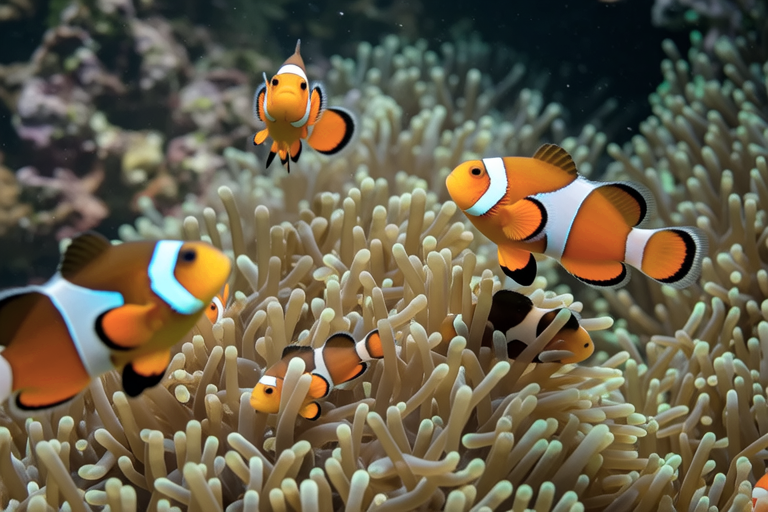
Top 7 Myths Debunked About Clownfish Behavior and Care
Clownfish, also known as anemonefish, are some of the most beloved marine creatures, thanks largely to their starring role in the animated film Finding Nemo. Their vibrant colors, intriguing behaviors, and relative ease of care have made them a favorite among aquarium enthusiasts. However, despite their widespread appeal, many misconceptions persist regarding their behavior and care requirements. This article aims to dispel seven of the most common myths surrounding these fascinating fish.
Myth 1: Clownfish Must Live with Anemones
The Myth: One of the most enduring myths about clownfish is that they cannot survive without living in an anemone. While it’s true that clownfish have a symbiotic relationship with sea anemones in the wild, this does not mean they require anemones in captivity.
Debunking the Myth: In the ocean, clownfish and anemones benefit from each other. The clownfish provides protection from predators and brings food to the anemone, while the anemone offers shelter and protection from potential threats. However, aquariums can provide a safe and enriching environment for clownfish without the need for an anemone. Many clownfish species thrive in well-maintained aquariums where they enjoy hiding places, good water quality, and appropriate tank mates.
Accurate Information: It’s important to focus on creating a suitable habitat with plenty of hiding spots, such as live rock, coral, or artificial caves. Providing a diverse range of hiding spots will help reduce stress and promote natural behaviors.
Myth 2: Clownfish Can Only Mate with Fish of the Same Species
The Myth: Another misconception is that clownfish can only reproduce with fish of the same species.
Debunking the Myth: While clownfish do form monogamous pairs within their own species, there is no evidence to suggest that they cannot breed with closely related species under certain conditions. In fact, genetic compatibility between different species of clownfish has been observed in controlled breeding programs.
Accurate Information: In home aquariums, breeding clownfish of the same species is more practical and ethical. Maintaining a healthy pair of clownfish in optimal conditions, including proper diet and water parameters, increases the likelihood of successful breeding.
Myth 3: Clownfish Are Easy to Breed
The Myth: Some believe that breeding clownfish is straightforward and can be achieved by simply placing a male and female together.
Debunking the Myth: Breeding clownfish requires careful planning and specific environmental conditions. The process involves more than just placing a male and female together; it requires precise water chemistry, temperature, and feeding regimens.
Accurate Information: To successfully breed clownfish, ensure that your aquarium is large enough (at least 30 gallons) and has stable water parameters. Provide ample hiding spots and a varied diet rich in protein. Conditioning the pair by offering high-quality live or frozen foods can encourage spawning.
Myth 4: Clownfish Are Aggressive Fish
The Myth: There is a widespread belief that clownfish are aggressive and territorial.
Debunking the Myth: While clownfish can exhibit territorial behavior, especially when defending their nest or eggs, they are generally peaceful towards other fish. Aggression is more likely to occur when resources are limited or when clownfish are kept in overcrowded tanks.
Accurate Information: To minimize aggression, ensure your tank is spacious and well-stocked with hiding spots. Introduce tank mates gradually and choose species that are compatible in size and temperament.
Myth 5: Clownfish Will Not Thrive Without Saltwater
The Myth: Some aquarists mistakenly believe that clownfish can only survive in saltwater environments.
Debunking the Myth: While clownfish naturally inhabit saltwater ecosystems, they can adapt to brackish water conditions. In fact, some species of clownfish have been observed thriving in brackish water habitats in the wild.
Accurate Information: If you are considering a brackish water setup, research thoroughly to understand the specific needs of the clownfish species you intend to keep. Ensure that salinity levels are appropriate and monitor water quality regularly.
Myth 6: Clownfish Do Not Need a Specific Diet
The Myth: It’s often thought that clownfish can eat any type of fish food available in pet stores.
Debunking the Myth: While clownfish are omnivorous and can consume a variety of foods, providing a balanced diet is crucial for their health. A diet lacking in essential nutrients can lead to deficiencies and compromised immune systems.
Accurate Information: Feed your clownfish a mix of high-quality flake foods, pellets, and occasional treats like frozen or live foods such as brine shrimp or mysis shrimp. Avoid overfeeding and remove uneaten food to maintain water quality.
Myth 7: Clownfish Cannot Survive in Freshwater
The Myth: The final myth addressed here is that clownfish cannot survive in freshwater.
Debunking the Myth: While clownfish are native to saltwater environments, some species have been successfully acclimated to freshwater conditions. However, this adaptation is not recommended for general aquarium keeping due to the potential risks involved.
Accurate Information: Clownfish should be kept in saltwater environments that mimic their natural habitat. If you’re interested in exploring alternative setups, consult with experts to understand the complexities and potential challenges.
Tips for Proper Clownfish Care Based on the Debunked Myths
Based on the debunked myths, here are some key tips for maintaining healthy and happy clownfish:
- Provide a well-planned tank with ample hiding spots and appropriate tank mates.
- Ensure stable water parameters and maintain optimal water quality.
- Feed a balanced diet rich in protein and essential nutrients.
- Avoid overcrowding and ensure sufficient space for each fish.
- Monitor behavior and health regularly, and seek professional advice if issues arise.
By understanding and addressing these common misconceptions, you can provide the best possible care for your clownfish, ensuring they thrive in their aquarium homes. Happy fishkeeping!
