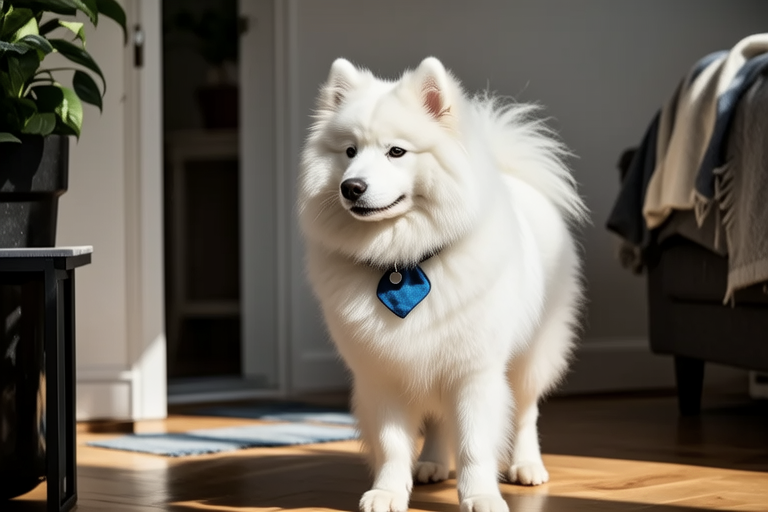
From Siberia to Your Home: The Journey of the Samoyed
The Samoyed breed, known for its striking white coat and friendly demeanor, has a rich history dating back centuries. Originating from Siberia, these dogs have been indispensable companions to indigenous tribes, playing crucial roles in their daily lives. This article delves into the origins of the Samoyed, their unique physical attributes, temperament, and the journey that brought them from the icy landscapes of Siberia to modern-day homes.
The Origins of the Samoyed in Siberia
The Samoyed breed hails from the nomadic tribes of the Nenets people in northern Siberia. These tribes relied heavily on the Samoyed for survival, utilizing them for herding reindeer, pulling sleds, and guarding camps. The dogs’ ability to withstand extreme cold and their loyalty made them invaluable to the Nenets. In addition to practical uses, the Samoyed provided warmth, often sleeping close to their human families to keep them warm during the harsh Siberian winters.
Physical Characteristics and Adaptations
Samoyeds possess a thick double coat that serves as an excellent insulator against the biting cold. Their outer coat is long, straight, and water-resistant, while the undercoat is dense and soft. This dual-layered coat not only keeps them warm but also protects them from the elements. Their robust build and muscular legs enable them to endure long hours of labor, whether it’s herding or pulling sleds.
One of the most distinctive features of the Samoyed is their expressive face, often referred to as the “Sammy smile.” This characteristic, along with their alert and intelligent eyes, gives them a perpetually happy appearance. Despite their large size, Samoyeds have a gentle and playful nature, making them excellent companions for both children and adults.
The Ideal Companion in Harsh Climates
The Samoyed’s temperament is one of the reasons they thrived in Siberia. Known for their loyalty, friendliness, and patience, these dogs form strong bonds with their human families. They are highly social animals, preferring to be around people rather than being left alone for extended periods. Their intelligence and eagerness to please make them trainable, although consistent and positive reinforcement is essential for effective training.
In the harsh Siberian climate, the Samoyed’s adaptability and resilience were crucial. Their ability to work tirelessly without complaint and their affectionate nature made them ideal partners for the Nenets. Additionally, their keen sense of smell and hearing allowed them to serve as reliable watchdogs, alerting their tribes to any approaching dangers.
The Introduction to the Western World
The Samoyed’s journey to the Western world began in the late 19th century. Explorers and adventurers, captivated by the breed’s capabilities and charm, started bringing Samoyeds back to Europe and North America. One notable figure in this process was Captain Richard Peary, who used Samoyeds in his expeditions to the North Pole. Their strength and endurance impressed him, leading to increased recognition of the breed.
Another significant event in the Samoyed’s introduction to the West was their participation in dog shows. Exhibited at prestigious events like Crufts and the Westminster Kennel Club Dog Show, the Samoyed gained popularity among dog enthusiasts. Their distinctive appearance and amiable personalities quickly endeared them to many, solidifying their place as a beloved breed.
Modern-Day Samoyeds: Popular Family Dogs
Today, Samoyeds are cherished pets in many households. Their friendly disposition and playful nature make them excellent family dogs. They thrive in environments where they receive plenty of attention and affection, and their high energy levels ensure they enjoy interactive playtime with their owners.
Despite their working heritage, Samoyeds can adapt well to urban living, provided they receive adequate exercise and mental stimulation. Regular walks, games of fetch, and training sessions help keep them physically and mentally engaged. Their loyalty and protective instincts extend to their families, creating a safe and loving environment for all members.
Tips for Potential Owners
If you’re considering adding a Samoyed to your family, there are several factors to consider. First, be prepared for their grooming needs. Their thick coat requires regular brushing to prevent matting and reduce shedding. Professional grooming may be necessary during seasonal changes when they shed their undercoat.
Exercise is another critical aspect of owning a Samoyed. Daily walks and opportunities for play are essential to maintain their physical and mental well-being. Without sufficient activity, they may become restless and develop behavioral issues.
Training a Samoyed should focus on positive reinforcement techniques. Reward-based training methods encourage good behavior and strengthen the bond between owner and dog. Early socialization is also important to ensure they grow up to be well-adjusted and confident dogs.
Lastly, be aware of potential health issues. While generally healthy, Samoyeds are prone to certain conditions such as hip dysplasia, progressive retinal atrophy, and hypothyroidism. Regular veterinary check-ups and a balanced diet can help manage these concerns.
Conclusion
The Samoyed’s journey from Siberia to your home is a testament to their enduring appeal and adaptability. From their origins as loyal companions to indigenous tribes to their current status as beloved family pets, these dogs continue to captivate hearts with their charm and devotion. By understanding their needs and providing proper care, you can ensure a rewarding and fulfilling relationship with your Samoyed. Embrace the adventure of welcoming a Samoyed into your life, and experience firsthand the joy and companionship they bring.
