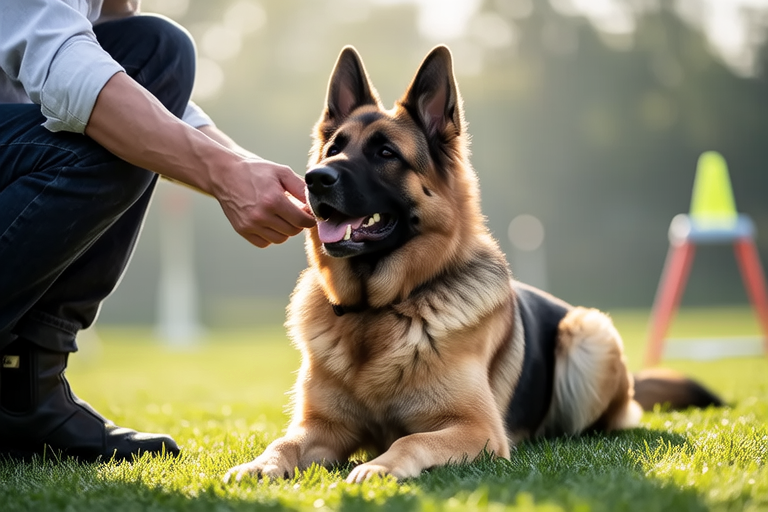
German Shepherd Training Tips Every Owner Needs to Know
German Shepherds are intelligent, loyal, and versatile dogs that make excellent companions. However, they require consistent training, socialization, and care to reach their full potential. This article will provide you with essential training methods, socialization techniques, basic commands, common behavioral issues and solutions, nutritional advice, exercise routines, and grooming tips for your German Shepherd.
Essential Training Methods
Training a German Shepherd requires patience, consistency, and positive reinforcement. Positive reinforcement involves rewarding desired behaviors with treats, praise, or playtime. For example, when teaching your dog to sit, give them a treat immediately after they obey. This reinforces the behavior, making it more likely to occur again.
Clicker training is another effective method. It uses a clicker to mark the moment your dog performs a correct action, followed by a reward. This helps your dog associate the click with success and motivates them to repeat the behavior. For instance, if you’re teaching your dog to shake hands, click the moment they lift their paw, then give them a treat.
Consistency is key in training. Use the same commands and cues every time to avoid confusing your dog. For example, always say “sit” when asking your dog to sit, rather than sometimes saying “sit” and other times saying “down.” Consistency helps your dog understand what you want from them.
Socialization Techniques
Socializing your German Shepherd is crucial for their development. Proper socialization helps them become well-adjusted, friendly, and confident. Expose your puppy to various people, animals, environments, and situations during their critical socialization period, which ends around 14 weeks of age. For example, take your puppy to different parks, introduce them to friends and family, and let them experience different sounds and smells.
Gradual exposure is important. Start with short, positive experiences and gradually increase the duration and intensity. For instance, if your puppy is afraid of loud noises, start by playing a recording of a soft rainstorm, then progress to thunderstorms. This helps your dog build resilience and confidence in unfamiliar situations.
Positive reinforcement plays a vital role in socialization. Reward your dog for calm and appropriate behavior around new stimuli. For example, if your dog remains calm while meeting a new person, give them a treat or praise. This encourages them to repeat the behavior in similar situations.
Basic Commands
Teaching your German Shepherd basic commands is essential for their safety and well-being. Start with simple commands like “sit,” “stay,” “come,” “heel,” and “leave it.” These commands form the foundation of your dog’s obedience and can prevent dangerous situations.
For example, teaching your dog to “come” can save their life in an emergency. To teach this command, use a long leash and call your dog’s name followed by “come.” When they approach, reward them with a treat and praise. Practice in various environments to ensure your dog responds reliably in all situations.
Consistency and repetition are crucial in teaching basic commands. Practice daily sessions of 5-10 minutes. Break down each command into small steps and reward your dog for each step they complete correctly. For instance, when teaching “stay,” start with a brief duration and gradually increase the time as your dog masters the command.
Common Behavioral Issues and Solutions
Despite proper training and socialization, German Shepherds may exhibit behavioral issues. Understanding these issues and implementing appropriate solutions is essential for a harmonious relationship between you and your dog.
Barking excessively is a common issue. It can be due to boredom, anxiety, or seeking attention. To address this, identify the cause and implement targeted solutions. For example, if your dog barks out of boredom, provide them with mental stimulation through interactive toys or training sessions. If anxiety is the root cause, consider desensitization techniques or consult a professional trainer or veterinarian.
Destructive chewing can also be problematic. Puppies chew to explore their environment and relieve teething discomfort. Provide appropriate chew toys and supervise your puppy to redirect their chewing behavior. For adult dogs, destructive chewing may indicate stress or anxiety. In such cases, create a calm and predictable environment and offer outlets for their energy, such as puzzle toys or interactive games.
Separation anxiety is another common issue. Dogs with separation anxiety may exhibit signs like excessive barking, destruction, or elimination when left alone. To address this, gradually acclimate your dog to being alone. Start by leaving them for short periods and gradually increase the duration. Provide them with a safe and comfortable space, such as a crate, and leave them with a toy or treat to keep them occupied. Consider consulting a professional trainer or behaviorist for severe cases.
Nutritional Advice
A balanced diet is crucial for your German Shepherd’s health and well-being. Feed them high-quality dog food that meets their specific needs. Consult your veterinarian to determine the appropriate amount and type of food based on your dog’s age, weight, activity level, and any medical conditions.
Protein is essential for muscle development and maintenance. Look for dog foods that list a meat source as the first ingredient. Carbohydrates provide energy, but choose whole grains over processed ones. Fats are necessary for healthy skin and coat, but avoid excessive amounts. Vitamins and minerals support overall health, so look for foods fortified with essential nutrients.
Hydration is equally important. Ensure your dog has access to fresh water at all times. Monitor their water intake and consult your veterinarian if you notice any changes. Additionally, consider adding wet food or broth to their meals to increase hydration.
Exercise Routines
German Shepherds are energetic dogs that require regular exercise to maintain their physical and mental health. Incorporate a variety of activities into their routine to keep them engaged and stimulated. Daily walks, runs, or hikes are great for cardiovascular health and mental stimulation. For example, take your dog on a 30-minute walk in the morning and another in the evening.
Incorporate agility training or fetch games to challenge your dog mentally and physically. Agility courses involve obstacles like tunnels, jumps, and weave poles. Fetch games encourage running and jumping. These activities help burn excess energy and strengthen the bond between you and your dog.
Mental stimulation is just as important as physical exercise. Puzzle toys, treat-dispensing toys, and training sessions engage your dog’s mind and prevent boredom. For instance, hide treats around the house and encourage your dog to find them. This activity promotes problem-solving skills and keeps your dog mentally sharp.
Grooming Tips
Grooming your German Shepherd regularly is essential for their hygiene and appearance. Their double coat requires weekly brushing to remove loose hair and prevent matting. Use a slicker brush for the undercoat and a bristle brush for the outer coat. Pay special attention to areas prone to matting, such as behind the ears and under the legs.
Bathing your dog every 6-8 weeks is usually sufficient. Use a mild dog shampoo and avoid human shampoos, which can strip their natural oils. Rinse thoroughly and dry your dog with a towel or blow dryer set on low heat. Be cautious with blow dryers, as they can burn your dog’s skin if used improperly.
Trimming nails and cleaning ears are also important grooming tasks. Trim your dog’s nails every few weeks to prevent overgrowth and discomfort. Use nail clippers or a grinder and be careful not to cut the quick, which contains blood vessels and nerves. Clean your dog’s ears weekly to prevent infections. Use a cotton ball dampened with ear-cleaning solution and gently wipe the inside of the ear flap.
Brushing your dog’s teeth is essential for dental health. Use a toothbrush and dog-specific toothpaste. Gently brush their teeth twice a week, focusing on the gum line and back teeth. Regular dental care prevents plaque buildup, bad breath, and other oral health issues.
Conclusion
Raising a German Shepherd requires dedication, patience, and love. By following these training tips, socialization techniques, basic commands, common behavioral issues and solutions, nutritional advice, exercise routines, and grooming tips, you can ensure your German Shepherd becomes a well-behaved, healthy, and happy companion. Remember, every dog is unique, so adapt these guidelines to suit your individual dog’s needs. With proper care and attention, your German Shepherd will thrive and bring joy to your life.
