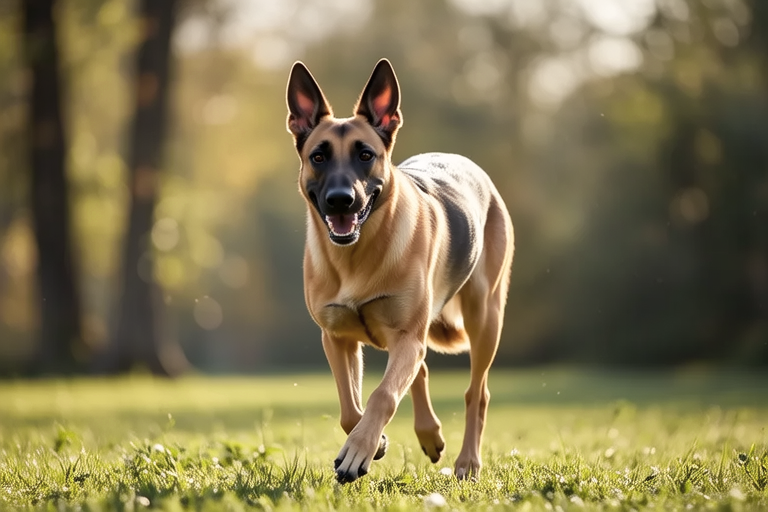
How to Keep Your German Shepherd Healthy and Happy: Expert Tips
German Shepherds are one of the most popular dog breeds due to their loyalty, intelligence, and versatility. However, ensuring that your German Shepherd remains healthy and happy requires careful attention to various aspects of their care. This comprehensive guide offers expert tips on nutrition, exercise, grooming, health maintenance, mental stimulation, and socialization to help you provide the best possible life for your furry companion.
Proper Nutrition Tailored for German Shepherds
Nutrition plays a crucial role in maintaining a German Shepherd’s overall health. These dogs have high energy levels and require a diet rich in protein, fat, and other essential nutrients. High-quality commercial dog foods formulated for large breeds or specifically for German Shepherds are ideal. Look for foods with real meat as the primary ingredient, avoiding by-products and artificial additives.
In addition to commercial food, consider incorporating fresh vegetables and lean meats like chicken or fish into your dog’s diet. Avoid feeding them table scraps, as these can lead to obesity and other health issues. Always ensure access to clean water and monitor your dog’s weight to prevent overfeeding.
Essential Exercise Routines
German Shepherds are active dogs that need plenty of physical activity to stay healthy and happy. Daily walks, jogging, or hiking are excellent ways to meet their exercise needs. Agility training, fetch games, and swimming also offer mental and physical challenges that keep them engaged. Aim for at least two hours of exercise per day, divided into shorter sessions if necessary.
Exercise not only helps maintain a healthy weight but also prevents behavioral issues such as boredom and anxiety. Regular physical activity also supports joint health, which is particularly important for a breed prone to hip dysplasia and arthritis.
Grooming Needs
German Shepherds have a thick double coat that requires regular grooming to keep it in top condition. Brush your dog weekly to remove loose hair and prevent matting. During shedding seasons, more frequent brushing may be necessary. Bathe your dog every three months or as needed, using a mild dog shampoo.
Careful attention to dental hygiene is also crucial. Brush your dog’s teeth several times a week with a dog-specific toothpaste to prevent gum disease and bad breath. Regular nail trimming and ear cleaning are additional grooming tasks that contribute to your dog’s overall health.
Common Health Issues and Preventive Care
German Shepherds are susceptible to certain health issues, including hip dysplasia, elbow dysplasia, degenerative myelopathy, and bloat. Early detection and intervention are key to managing these conditions effectively.
Regular veterinary check-ups are vital for monitoring your dog’s health and catching any potential issues early. Discuss with your vet about preventive measures such as joint supplements, proper weight management, and dietary adjustments. Vaccinations, parasite control, and dental care are also essential components of preventive care.
Mental Stimulation Activities
Providing mental stimulation is just as important as physical exercise. Puzzle toys, interactive games, and obedience training can keep your German Shepherd mentally sharp and engaged. Training sessions that challenge their problem-solving abilities and teach new commands are especially beneficial.
Consider enrolling your dog in agility classes or other activities that combine physical exercise with mental engagement. Mental stimulation helps reduce stress, anxiety, and destructive behaviors, promoting a happier and healthier dog.
Tips for Socializing This Breed
Socialization is critical for German Shepherds to develop into well-adjusted, friendly adults. Expose your puppy to various environments, people, and animals from an early age. Positive experiences during the first few months of life set the foundation for a confident and sociable adult dog.
Encourage gentle interactions with children and strangers, and reward calm, positive behavior. Consistent exposure to different situations will help your dog become comfortable and responsive in various settings. Proper socialization also aids in preventing aggression and fear-based behaviors.
Behavior Management and Training Techniques
Training is essential for German Shepherds, given their intelligence and strong desire to please their owners. Start training early and use positive reinforcement methods, rewarding desired behaviors with treats, praise, or playtime. Consistency is key; establish clear rules and expectations from the beginning.
German Shepherds excel in roles such as police work, search and rescue, and service dogs, but even pet dogs benefit from structured training. Basic commands like ‘sit,’ ‘stay,’ ‘come,’ and ‘leave it’ are foundational and should be mastered before moving on to more advanced tasks. Training not only promotes good behavior but also strengthens the bond between you and your dog.
Conclusion
By following these expert tips, you can ensure that your German Shepherd leads a healthy, happy, and fulfilling life. Proper nutrition, regular exercise, grooming, preventive care, mental stimulation, and socialization are all integral parts of responsible dog ownership. Remember to consult with your veterinarian regularly and address any concerns promptly. With dedication and care, you can enjoy many years of companionship with your loyal and loving German Shepherd.
