Top 10 Most Vibrant Koi Varieties You Need to See
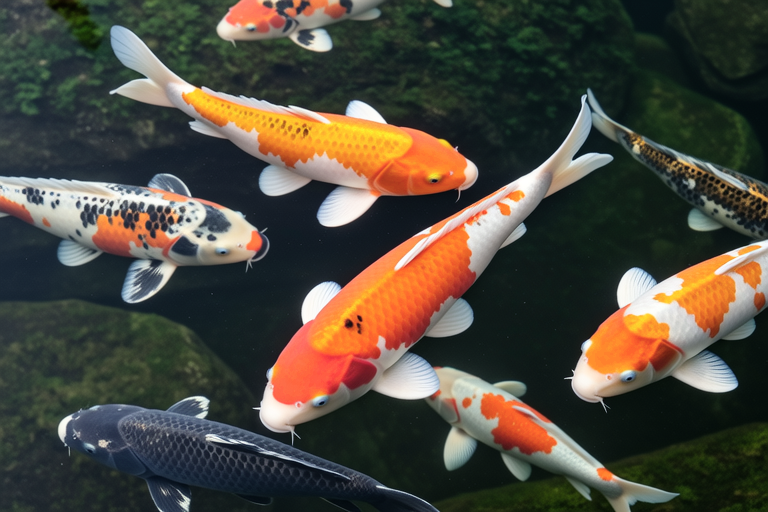
Koi, also known as Nishikigoi, are ornamental varieties of common carp that have captivated the hearts of aquaculture enthusiasts worldwide. These fish are not only admired for their beauty but also for their resilience and ease of care. With their vibrant colors and graceful movements, koi ponds have become a popular feature in gardens, bringing a touch of elegance and tranquility to outdoor spaces.
1. Kohaku – The Classic White and Red Beauty
The Kohaku is one of the most iconic koi varieties. Its striking white and red pattern is reminiscent of a traditional Japanese fan painting. The red (Hi) should be bold and evenly distributed across the body, while the white (Shiroji) should be pure and unblemished. Kohakus are often considered the epitome of simplicity and elegance in koi breeding.
Scale type: Scales can be either metallic (Doitsu) or non-metallic. The Doitsu variety has a unique look due to its lack of scales on the sides, giving it a sleek appearance.
Historical significance: Kohaku koi were first bred in Japan in the early 19th century and have since become one of the most popular varieties globally.
Care tips: Kohaku koi require stable water conditions and a balanced diet rich in protein to maintain their vibrant coloration. Regular water changes and proper filtration are essential to prevent diseases and ensure optimal health.
2. Sanke – The Tri-colored Marvel
The Sanke is a stunning koi variety that combines the classic white, red, and black colors of the Kohaku and Showa Sanshoku. The red and white patches should be clearly defined, while the black (Sumi) markings should be smooth and well-placed. This variety is highly prized for its intricate and harmonious color pattern.
Scale type: Both metallic and non-metallic scales are common in Sanke koi.
Historical significance: Sanke koi emerged in the late 19th century and quickly became a favorite among koi breeders for their elegant and complex designs.
Care tips: Sanke koi benefit from a well-maintained pond environment with good water circulation and regular feeding to promote healthy growth and vibrant colors.
3. Showa Sanshoku – The Black and White Gem
Showa Sanshoku koi are distinguished by their black (Sumi) background, which is interspersed with red (Hi) and white (Shiroji) spots. The Sumi should cover at least half of the body, creating a striking contrast against the bright red and white accents.
Scale type: Both metallic and non-metallic scales are found in Showa Sanshoku koi.
Historical significance: Showa Sanshoku was developed in the 1920s and named after the Emperor Showa. It represents one of the most recent additions to the koi family.
Care tips: Showa Sanshoku koi thrive in ponds with consistent water quality and a varied diet that includes high-quality protein and vitamins to support their coloration and overall health.
4. Bekko – The Pure White or Black Background
Bekko koi come in two main types: Shiro Bekko (white background with red spots) and Aka Bekko (red background with white spots). The spots should be well-defined and evenly distributed across the body. This variety is admired for its purity and simplicity.
Scale type: Both metallic and non-metallic scales are common in Bekko koi.
Historical significance: Bekko koi have been around since the early 20th century and are valued for their clean, elegant appearance.
Care tips: Bekko koi prefer cooler water temperatures and benefit from regular feeding with high-protein food to maintain their color and vitality.
5. Utsurimono – The Black and White or Black and Red Contrast
Utsurimono koi are characterized by their black (Sumi) background with white or red spots. The Sumi should be solid and extend over at least half of the body, creating a dramatic contrast against the white or red accents.
Scale type: Both metallic and non-metallic scales are found in Utsurimono koi.
Historical significance: Utsurimono koi were developed in the mid-19th century and are one of the earliest varieties of koi bred for ornamental purposes.
Care tips: Utsurimono koi need a stable pond environment with good water quality and regular feeding to support their vibrant coloration and robust health.
6. Asagi – The Blue and Red Striped Delight
Asagi koi are recognized by their blue (Sekisei) scales on the back and red (Hi) scales on the belly. The blue scales should have a light bluish tint, while the red scales should be a soft, even shade. This variety is known for its unique and striking color combination.
Scale type: Non-metallic scales are common in Asagi koi.
Historical significance: Asagi koi have been bred since the Edo period and are one of the oldest varieties of koi.
Care tips: Asagi koi thrive in well-aerated ponds with cool water temperatures and benefit from a varied diet that includes high-protein food to maintain their vibrant coloration.
7. Shusui – The Blue and White Splendor
Shusui koi are a variation of Asagi with no scales on the sides, giving them a unique and sleek appearance. They are distinguished by their blue (Sekisei) scales on the back and white (Shiroji) scales on the belly. The blue scales should have a deep, iridescent sheen, while the white scales should be pure and unblemished.
Scale type: Non-metallic scales are common in Shusui koi.
Historical significance: Shusui koi were developed in the late 19th century and are named after the famous samurai Shusui Kannon.
Care tips: Shusui koi require a stable pond environment with good water quality and regular feeding to maintain their vibrant coloration and robust health.
8. Goshiki – The Five-color Wonder
Goshiki koi are named after the five colors of the Japanese flag: black, white, red, yellow, and blue. They are distinguished by their black (Sumi) background with red (Hi), white (Shiroji), yellow (Ki), and blue (Sekisei) accents. The Sumi should cover at least half of the body, creating a striking contrast against the other colors.
Scale type: Both metallic and non-metallic scales are common in Goshiki koi.
Historical significance: Goshiki koi were developed in the early 20th century and are valued for their complex and beautiful color patterns.
Care tips: Goshiki koi benefit from a well-maintained pond environment with good water circulation and regular feeding to promote healthy growth and vibrant colors.
9. Hikarimuji – The Metallic Jewel
Hikarimuji koi are known for their single solid color, which can range from silver to gold. Their scales are metallic, giving them a shimmering, jewel-like appearance. This variety is highly prized for its brilliance and elegance.
Scale type: Only metallic scales are found in Hikarimuji koi.
Historical significance: Hikarimuji koi were developed in the early 20th century and are valued for their unique and eye-catching appearance.
Care tips: Hikarimuji koi require a stable pond environment with good water quality and regular feeding to maintain their vibrant coloration and robust health.
10. Tancho – The Red-crowned Jewel
Tancho koi are named after the Japanese crane, which also has a red crown. They are distinguished by their red (Hi) spot on the head, which should be perfectly round and symmetrical. The rest of the body is typically white (Shiroji). This variety is highly prized for its rarity and beauty.
Scale type: Both metallic and non-metallic scales are common in Tancho koi.
Historical significance: Tancho koi were developed in the early 20th century and are named after the national bird of Japan.
Care tips: Tancho koi require a stable pond environment with good water quality and regular feeding to maintain their vibrant coloration and robust health.
The Benefits of Keeping Vibrant Koi in Your Pond or Aquarium
Keeping vibrant koi in your pond or aquarium brings numerous benefits. Not only do they add a touch of elegance and beauty to your outdoor space, but they also offer therapeutic value. Watching the graceful movements of these colorful fish can reduce stress and anxiety, making them an excellent addition to any garden or home.
In conclusion, whether you’re a novice or experienced koi keeper, there’s always something new to learn about these fascinating fish. By understanding the distinctive features and care requirements of each variety, you can create a thriving and vibrant koi pond or aquarium that brings joy and tranquility to your life.
