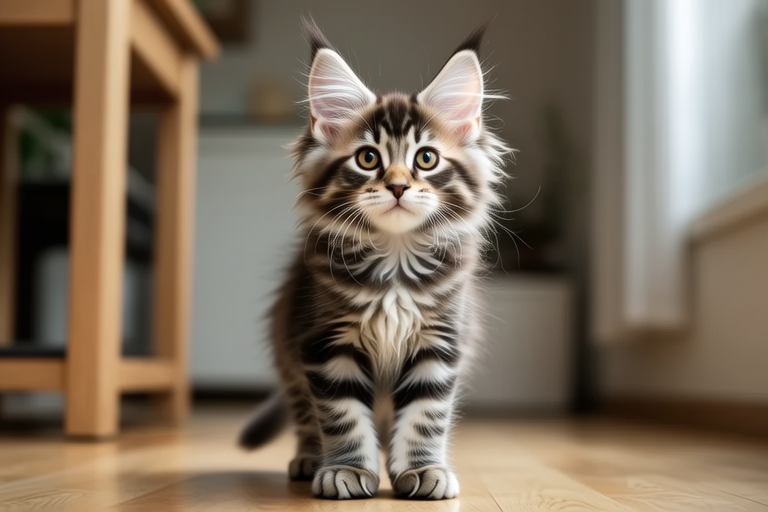
Adopting a Maine Coon: Tips for First-Time Cat Owners
Welcome to the wonderful world of Maine Coon cats! These gentle giants are known for their friendly demeanor, playful nature, and striking appearance. As you embark on your journey as a first-time cat owner, it’s important to understand the unique traits of Maine Coons and how to provide the best care for them. This guide will offer practical advice on everything from understanding their special characteristics to ensuring they have a healthy and happy life.
Understanding the Unique Traits of Maine Coons
Maine Coons are one of the largest domesticated breeds of cats, often referred to as ‘gentle giants.’ They are known for their long, flowing coats, tufted ears, and bushy tails. Their large paws are well-suited for walking on snow, and their thick fur provides excellent insulation against cold weather. Maine Coons are intelligent, social, and have a strong hunting instinct, making them great companions for outdoor enthusiasts. They are also known for their vocalization, which can range from soft chirps to loud meows.
One of the most endearing traits of Maine Coons is their affectionate nature. They are often described as being more dog-like in their behavior, enjoying human company and even following their owners around the house. However, this affectionate nature means they can become lonely if left alone for extended periods. It’s important to ensure that they have plenty of companionship and mental stimulation.
Essential Grooming Tips
Grooming is an essential part of keeping your Maine Coon healthy and happy. With their long, luxurious coats, regular grooming helps prevent matting and keeps their skin and coat in top condition. Here are some tips:
- Brushing: Brush your Maine Coon at least once a week to remove loose hair and prevent tangles. Use a slicker brush or a comb with widely spaced teeth to avoid pulling out too much hair.
- Bathing: Maine Coons generally do not require frequent baths, but occasional bathing may be necessary to keep their coats clean and shiny. Use a cat-specific shampoo and warm water, and be sure to dry them thoroughly afterward.
- Ear Cleaning: Check your Maine Coon’s ears regularly for any signs of infection or debris. Clean their ears gently with a cotton ball soaked in a mild ear-cleaning solution.
- Nail Trimming: Trim your cat’s nails every few weeks to prevent overgrowth. Use nail clippers designed for cats and be careful not to cut the quick, which contains blood vessels.
Dietary Needs
Feeding your Maine Coon a balanced diet is crucial for their overall health. Maine Coons have a high metabolism and can eat quite a lot, so it’s important to monitor their food intake to prevent obesity. Here are some tips:
- Selecting the Right Food: Choose a high-quality commercial cat food that meets the nutritional requirements for your cat’s age and activity level. Look for food that contains real meat as the primary ingredient and avoids fillers and artificial preservatives.
- Portion Control: Measure your cat’s food portions carefully to avoid overfeeding. Consult with your veterinarian to determine the appropriate amount of food based on your cat’s weight and activity level.
- Water Intake: Encourage your cat to drink plenty of water by providing fresh water daily. Consider using a pet fountain to make water more appealing to your cat.
Space Requirements
Maine Coons are active and curious cats that need ample space to explore and play. While they are adaptable and can thrive in various living environments, they do require a comfortable and stimulating environment. Here are some tips:
- Living Space: Provide your Maine Coon with a spacious living area where they can move freely and comfortably. Consider their size when arranging furniture and other items in the room.
- Vertical Space: Maine Coons enjoy climbing and perching. Provide them with sturdy cat trees or shelves that allow them to reach high places.
- Toys and Accessories: Offer a variety of toys to keep your cat entertained and mentally stimulated. Rotate toys periodically to maintain their interest.
Interactive Play Ideas
Playing with your Maine Coon is not only fun but also essential for their physical and mental well-being. Interactive play sessions help build a bond between you and your cat while providing exercise and stimulation. Here are some ideas:
- Chasing Games: Use feather wands or laser pointers to encourage your cat to chase and pounce. Be sure to let your cat catch the toy occasionally to avoid frustration.
- Hide-and-Seek: Hide treats or toys around the house and encourage your cat to find them. This game stimulates their natural hunting instincts and keeps them engaged.
- Interactive Feeders: Use puzzle feeders to dispense treats or kibble. This encourages problem-solving skills and provides mental stimulation.
Health Considerations
Regular veterinary care is essential for maintaining your Maine Coon’s health. Maine Coons are generally healthy cats, but they can be prone to certain genetic conditions. Here are some health considerations:
- Vaccinations: Ensure your cat receives all recommended vaccinations to protect against common feline diseases.
- Spaying/Neutering: Spaying or neutering your cat can help prevent certain health issues and behavioral problems.
- Regular Check-ups: Schedule routine veterinary check-ups to monitor your cat’s health and address any concerns early.
- Genetic Conditions: Be aware of potential genetic conditions such as hypertrophic cardiomyopathy (HCM) and hip dysplasia. Discuss these with your veterinarian and consider genetic testing if needed.
Advice on Integrating Them Into Your Home
Bringing a Maine Coon into your home for the first time can be an exciting yet challenging experience. Here are some tips to help you integrate your new cat into your household:
- Creating a Safe Space: Set up a quiet, comfortable space for your cat with a litter box, food and water bowls, and a cozy bed. This allows them to adjust to their new surroundings at their own pace.
- Gradual Introduction: If you have other pets or children in the home, introduce your new cat gradually. Supervise interactions and ensure everyone understands how to interact safely with the cat.
- Establishing Routines: Cats thrive on routine, so establish a consistent schedule for feeding, playtime, and bedtime. This helps your cat feel secure and comfortable in their new home.
- Patient and Positive Reinforcement: Patience and positive reinforcement are key when introducing a new cat to your home. Reward good behavior with treats and praise to encourage bonding.
Adopting a Maine Coon is a rewarding experience that comes with many joys and challenges. By understanding their unique traits, providing proper care, and creating a loving environment, you can ensure that your Maine Coon thrives in your home. Remember, every cat is different, so take the time to get to know your new companion and tailor your approach accordingly. With love and patience, you and your Maine Coon will form a strong bond that will last a lifetime.
